


Close Menu
Meteorological Technology International
  • News
    • A-E
      • Agriculture
      • Automated Weather Stations
      • Aviation
      • Climate Measurement
      • Data
      • Developing Countries
      • Digital Applications
      • Early Warning Systems
      • Extreme Weather
    • G-P
      • Hydrology
      • Lidar
      • Lightning Detection
      • New Appointments
      • Nowcasting
      • Numerical Weather Prediction
      • Polar Weather
    • R-S
      • Radar
      • Rainfall
      • Remote Sensing
      • Renewable Energy
      • Satellites
      • Solar
      • Space Weather
      • Supercomputers
    • T-Z
      • Training
      • Transport
      • Weather Instruments
      • Wind
      • World Meteorological Organization
      • Meteorological Technology World Expo
  • Features
  • Online Magazines
    • January 2026
    • April 2025
    • January 2025
    • September 2024
    • April 2024
    • Archive Issues
    • Subscribe Free!
  • Opinion
  • Videos
  • Supplier Spotlight
  • Expo
LinkedIn X (Twitter) Facebook
  • Sign-up for Free Weekly E-Newsletter
  • Meet the Editors
  • Contact Us
  • Media Pack
LinkedIn Facebook
Subscribe
Meteorological Technology International
  • News
      • Agriculture
      • Automated Weather Stations
      • Aviation
      • Climate Measurement
      • Data
      • Developing Countries
      • Digital Applications
      • Early Warning Systems
      • Extreme Weather
      • Hydrology
      • Lidar
      • Lightning Detection
      • New Appointments
      • Nowcasting
      • Numerical Weather Prediction
      • Polar Weather
      • Radar
      • Rainfall
      • Remote Sensing
      • Renewable Energy
      • Satellites
      • Solar
      • Space Weather
      • Supercomputers
      • Training
      • Transport
      • Weather Instruments
      • Wind
      • World Meteorological Organization
      • Meteorological Technology World Expo
  • Features
  • Online Magazines
    1. January 2026
    2. September 2025
    3. April 2025
    4. January 2025
    5. September 2024
    6. April 2024
    7. January 2024
    8. September 2023
    9. April 2023
    10. Archive Issues
    11. Subscribe Free!
    Featured
    November 27, 2025

    In this Issue – January 2026

    By Hazel KingNovember 27, 2025
    Recent

    In this Issue – January 2026

    November 27, 2025

    In this Issue – September 2025

    August 11, 2025

    In this Issue – April 2025

    April 15, 2025
  • Opinion
  • Videos
  • Supplier Spotlight
  • Expo
Facebook LinkedIn
Subscribe
Meteorological Technology International
Satellites

Spire Global to provide historical weather data to European Space Agency

Hazel KingBy Hazel KingAugust 6, 20252 Mins Read
Share LinkedIn Facebook Twitter Email
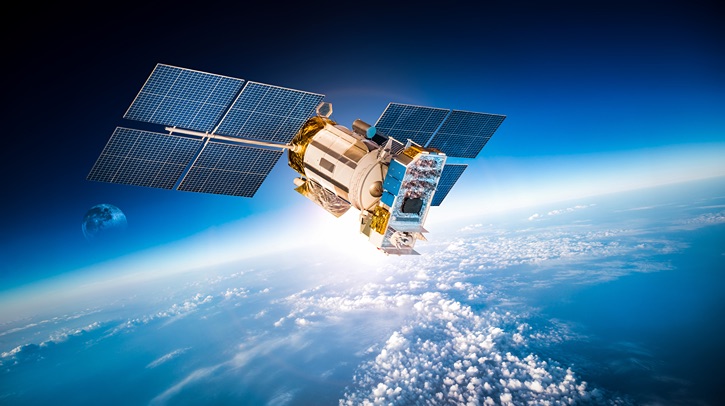
A satellite orbits Earth
Adobe Stock image
Share
LinkedIn Facebook Twitter Email

Spire Global is to begin supplying historical weather data collected by its satellites to the European Space Agency to support cutting-edge science and the development of operational applications.

The contract, which was awarded under ESA’s Third Party Mission (TPM) program, will give European researchers access to Spire’s historical Earth intelligence data, including GNSS-reflectometry and polarimetric radio occultation data. These datasets provide insight into sea ice, soil moisture and precipitation, among other climate variables, according to Spire Global.

Matthieu Talpe, a remote sensing product engineer at Spire Global, commented, “The TPM program supports Spire in delivering novel Earth observation products to the Earth science community in Europe.

“Our datasets are already shaping the future of climate research, enabling breakthroughs like enhanced weather forecasts at ECMWF, the world’s premier weather forecasting institution. We can’t wait to see how researchers leverage this data to address global challenges.”

Peggy Fischer, TPM manager at the ESA, added, “Through our Third Party Mission program, we aim to empower Europe’s scientific community with access to high-impact commercial Earth observation data.

“We’re proud to work with Spire to make its GNSS-Reflectometry and polarimetric radio occultation data available to the European scientific community, helping advance both research and pre-operational Earth observation capabilities across the continent.”

In related news, researchers at Arizona State University have used satellite-borne lightning detectors to measure a record-setting lightning megaflash that streaked across the Great Plains for 515 miles during a major thunderstorm in October 2017

Previous ArticleStudy reveals slowing Atlantic current could almost halve rainfall in Amazon
Next Article Research shows increase in short, sharp rainfall in Adelaide

Read Similar Stories

Space Weather

Northumbria University secures £4m to study Earth’s radiation belts

April 16, 20262 Mins Read
Extreme Weather

AI model improves real-time prediction of wildfire spread

April 16, 20263 Mins Read
Climate Measurement

Study identifies atmospheric trigger behind flash droughts in Puerto Rico

April 15, 20263 Mins Read
Latest News

Northumbria University secures £4m to study Earth’s radiation belts

April 16, 2026

AI model improves real-time prediction of wildfire spread

April 16, 2026

Study identifies atmospheric trigger behind flash droughts in Puerto Rico

April 15, 2026

Receive breaking stories and features in your inbox each week, for free


Enter your email address:


Supplier Spotlights
  • Geolux d.o.o.
Getting in Touch
  • Contact Us / Advertise
  • Meet the Editors
  • Media Pack
  • Free Weekly E-Newsletter
Our Social Channels
  • Facebook
  • LinkedIn
© 2026 UKi Media & Events a division of UKIP Media & Events Ltd
  • Cookie Policy
  • Privacy Policy
  • Terms and Conditions
  • Notice and Takedown Policy

Type above and press Enter to search. Press Esc to cancel.