


Close Menu
Meteorological Technology International
  • News
    • A-E
      • Agriculture
      • Automated Weather Stations
      • Aviation
      • Climate Measurement
      • Data
      • Developing Countries
      • Digital Applications
      • Early Warning Systems
      • Extreme Weather
    • G-P
      • Hydrology
      • Lidar
      • Lightning Detection
      • New Appointments
      • Nowcasting
      • Numerical Weather Prediction
      • Polar Weather
    • R-S
      • Radar
      • Rainfall
      • Remote Sensing
      • Renewable Energy
      • Satellites
      • Solar
      • Space Weather
      • Supercomputers
    • T-Z
      • Training
      • Transport
      • Weather Instruments
      • Wind
      • World Meteorological Organization
      • Meteorological Technology World Expo
  • Features
  • Online Magazines
    • January 2026
    • April 2025
    • January 2025
    • September 2024
    • April 2024
    • Archive Issues
    • Subscribe Free!
  • Opinion
  • Videos
  • Supplier Spotlight
  • Expo
LinkedIn X (Twitter) Facebook
  • Sign-up for Free Weekly E-Newsletter
  • Meet the Editors
  • Contact Us
  • Media Pack
LinkedIn Facebook
Subscribe
Meteorological Technology International
  • News
      • Agriculture
      • Automated Weather Stations
      • Aviation
      • Climate Measurement
      • Data
      • Developing Countries
      • Digital Applications
      • Early Warning Systems
      • Extreme Weather
      • Hydrology
      • Lidar
      • Lightning Detection
      • New Appointments
      • Nowcasting
      • Numerical Weather Prediction
      • Polar Weather
      • Radar
      • Rainfall
      • Remote Sensing
      • Renewable Energy
      • Satellites
      • Solar
      • Space Weather
      • Supercomputers
      • Training
      • Transport
      • Weather Instruments
      • Wind
      • World Meteorological Organization
      • Meteorological Technology World Expo
  • Features
  • Online Magazines
    1. January 2026
    2. September 2025
    3. April 2025
    4. January 2025
    5. September 2024
    6. April 2024
    7. January 2024
    8. September 2023
    9. April 2023
    10. Archive Issues
    11. Subscribe Free!
    Featured
    November 27, 2025

    In this Issue – January 2026

    By Hazel KingNovember 27, 2025
    Recent

    In this Issue – January 2026

    November 27, 2025

    In this Issue – September 2025

    August 11, 2025

    In this Issue – April 2025

    April 15, 2025
  • Opinion
  • Videos
  • Supplier Spotlight
  • Expo
Facebook LinkedIn
Subscribe
Meteorological Technology International
Rainfall

Institutes in Australia collaborate to use GPS for more accurate rain forecasts

Helen NormanBy Helen NormanOctober 23, 20192 Mins Read
Share LinkedIn Facebook Twitter Email
GPS rainfall
Share
LinkedIn Facebook Twitter Email

The Royal Melbourne Institute of Technology (RMIT) University, Geoscience Australia and Bureau of Meteorology (BoM) have collaborated to use the growing network of GPS receivers to provide more accurate, real time weather forecasts.

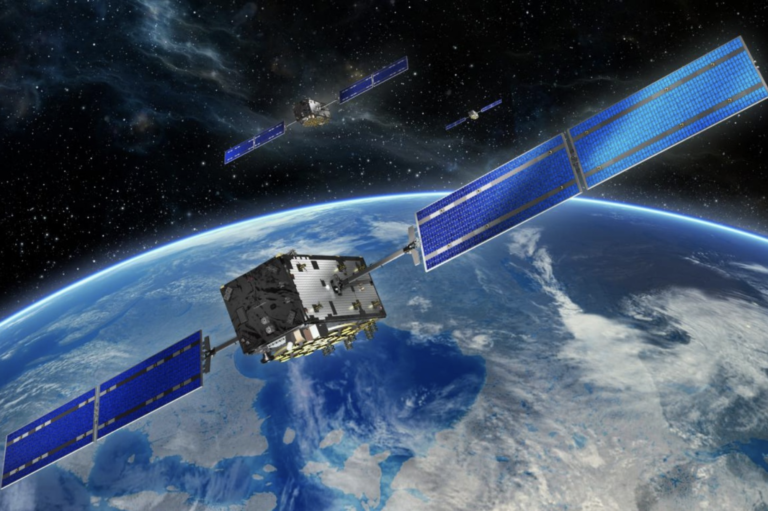
GPS signals can be slightly delayed on their journey from satellites to Earth by moisture in the troposphere, causing what’s known as a zenith total delay. Scientists now know how to use precise measurements of this delay to accurately calculate air moisture and likely rainfall.

Following successful trials across Australia, the method is now part of BoM’s weather forecast models. RMIT adjunct professor and BoM senior principal research scientist, John Le Marshall, said it was an exciting new capability for real-time weather measurements and forecasting.

“Atmospheric water vapour is highly variable yet vital to accurate analysis and weather forecasting,” he explained. “The development of a GPS-based system to improve moisture analysis and forecasting over Australia is therefore an exciting step toward improved humidity and rainfall forecasting.”

GPS is proving increasingly useful to meteorologists, with another completed project using the bending of GPS signals through the atmosphere to determine temperature at various altitudes.

Le Marshall said while the technology could be applied almost anywhere, it was particularly valuable in a sparsely populated country like Australia with its lack of ground-based meteorological observation stations.

“Weather forecasting is dependent on accurate atmospheric observations, but the limited stations we can draw measurements from across our vast continent has always been an issue,” he said.

“With this technology we were able to tap into an Australia-wide network of 256 GPS receiving stations, and that number of stations is set to continue increasing over coming years.”

A study of the latest system was recently been published in Journal of Southern Hemisphere Earth Systems Science.

Previous ArticleHigh frame-rate movie of an accreting black hole at a level of detail never seen before
Next Article WMO relocates African regional office to Ethiopia

Read Similar Stories

Climate Measurement

Study identifies atmospheric trigger behind flash droughts in Puerto Rico

April 15, 20263 Mins Read
Rainfall

New research to improve flash flood warnings in rural Virginia

March 17, 20263 Mins Read
Rainfall

Study identifies atmospheric warning signs for extreme flash flooding

February 5, 20263 Mins Read
Latest News

Northumbria University secures £4m to study Earth’s radiation belts

April 16, 2026

AI model improves real-time prediction of wildfire spread

April 16, 2026

Study identifies atmospheric trigger behind flash droughts in Puerto Rico

April 15, 2026

Receive breaking stories and features in your inbox each week, for free


Enter your email address:


Supplier Spotlights
  • EWR Radar Systems
Getting in Touch
  • Contact Us / Advertise
  • Meet the Editors
  • Media Pack
  • Free Weekly E-Newsletter
Our Social Channels
  • Facebook
  • LinkedIn
© 2026 UKi Media & Events a division of UKIP Media & Events Ltd
  • Cookie Policy
  • Privacy Policy
  • Terms and Conditions
  • Notice and Takedown Policy

Type above and press Enter to search. Press Esc to cancel.