


Close Menu
Meteorological Technology International
  • News
    • A-E
      • Agriculture
      • Automated Weather Stations
      • Aviation
      • Climate Measurement
      • Data
      • Developing Countries
      • Digital Applications
      • Early Warning Systems
      • Extreme Weather
    • G-P
      • Hydrology
      • Lidar
      • Lightning Detection
      • New Appointments
      • Nowcasting
      • Numerical Weather Prediction
      • Polar Weather
    • R-S
      • Radar
      • Rainfall
      • Remote Sensing
      • Renewable Energy
      • Satellites
      • Solar
      • Space Weather
      • Supercomputers
    • T-Z
      • Training
      • Transport
      • Weather Instruments
      • Wind
      • World Meteorological Organization
      • Meteorological Technology World Expo
  • Features
  • Online Magazines
    • January 2026
    • April 2025
    • January 2025
    • September 2024
    • April 2024
    • Archive Issues
    • Subscribe Free!
  • Opinion
  • Videos
  • Supplier Spotlight
  • Expo
LinkedIn X (Twitter) Facebook
  • Sign-up for Free Weekly E-Newsletter
  • Meet the Editors
  • Contact Us
  • Media Pack
LinkedIn Facebook
Subscribe
Meteorological Technology International
  • News
      • Agriculture
      • Automated Weather Stations
      • Aviation
      • Climate Measurement
      • Data
      • Developing Countries
      • Digital Applications
      • Early Warning Systems
      • Extreme Weather
      • Hydrology
      • Lidar
      • Lightning Detection
      • New Appointments
      • Nowcasting
      • Numerical Weather Prediction
      • Polar Weather
      • Radar
      • Rainfall
      • Remote Sensing
      • Renewable Energy
      • Satellites
      • Solar
      • Space Weather
      • Supercomputers
      • Training
      • Transport
      • Weather Instruments
      • Wind
      • World Meteorological Organization
      • Meteorological Technology World Expo
  • Features
  • Online Magazines
    1. January 2026
    2. September 2025
    3. April 2025
    4. January 2025
    5. September 2024
    6. April 2024
    7. January 2024
    8. September 2023
    9. April 2023
    10. Archive Issues
    11. Subscribe Free!
    Featured
    November 27, 2025

    In this Issue – January 2026

    By Hazel KingNovember 27, 2025
    Recent

    In this Issue – January 2026

    November 27, 2025

    In this Issue – September 2025

    August 11, 2025

    In this Issue – April 2025

    April 15, 2025
  • Opinion
  • Videos
  • Supplier Spotlight
  • Expo
Facebook LinkedIn
Subscribe
Meteorological Technology International
Polar Weather

Research uses ocean modeling to demonstrate link between GHGs and rising sea levels

Dan SymondsBy Dan SymondsApril 6, 20223 Mins Read
Share LinkedIn Facebook Twitter Email
Credit: BAS
Share
LinkedIn Facebook Twitter Email

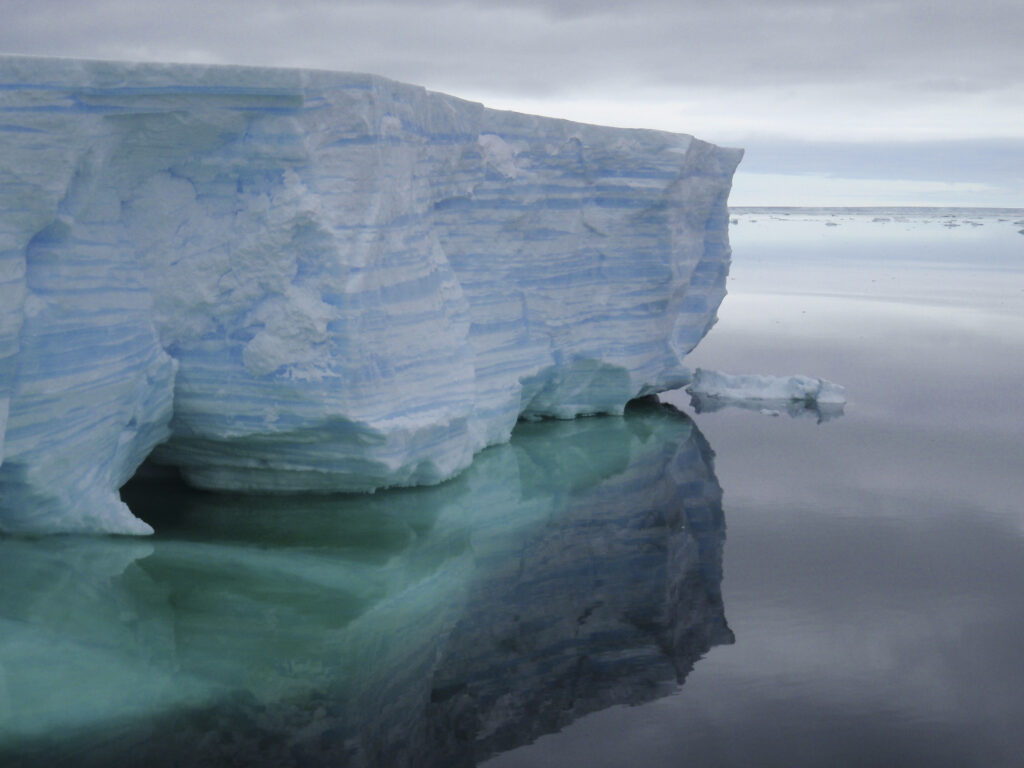
Researchers have used advanced ocean modeling techniques to reveal how greenhouse gas (GHG) emissions contribute to warmer oceans and resulting melting of the West Antarctic Ice Sheet.

The new study provides the first evidence that rising greenhouse gases have a long-term warming effect on the Amundsen Sea in West Antarctica. Scientists from the British Antarctic Survey (BAS) say that while others have proposed this link, no one has been able to demonstrate it.

According to BAS, ice loss from the West Antarctic Ice Sheet in the Amundsen Sea is one of the fastest growing and most concerning contributions to global sea level rise. If the West Antarctic Ice Sheet were to melt, global sea levels could rise by up to 3m. The patterns of ice loss suggest that the ocean may have been warming in the Amundsen Sea over the past 100 years, but scientific observations of the region only began in 1994.

In the study – published in the journal Geophysical Research Letters – oceanographers used advanced computer modeling to simulate the response of the ocean to a range of possible changes in the atmosphere between 1920-2013.

The simulations show the Amundsen Sea generally became warmer over the century. This warming corresponds with simulated trends in wind patterns in the region which increase temperatures by driving warm water currents toward and beneath the ice. Rising GHGs are known to make these wind patterns more likely, and so the trend in winds is thought to be caused in part by human activity.

This study supports theories that ocean temperatures in the Amundsen Sea have been rising since before records began. It also provides the missing link between ocean warming and wind trends which are known to be partly driven by GHGs. Ocean temperatures around the West Antarctic Ice Sheet will probably continue to rise if GHG emissions increase, with consequences for ice melt and global sea levels. These findings suggest, however, that this trend could be curbed if emissions are sufficiently reduced and wind patterns in the region are stabilized.

Dr Kaitlin Naughten, ocean-ice modeler at BAS and lead author of the study, said, “Our simulations show how the Amundsen Sea responds to long-term trends in the atmosphere, specifically the Southern Hemisphere westerly winds. This raises concerns for the future because we know these winds are affected by greenhouse gases. However, it should also give us hope, because it shows that sea level rise is not out of our control.”

Professor Paul Holland, ocean and ice scientist at BAS and a co-author of the study, said, “Changes in the southern hemisphere westerly winds are a well-established climate response to the effect of greenhouse gasses.  However, the Amundsen Sea is also subject to very strong natural climate variability. The simulations suggest that both natural and anthropogenic changes are responsible for the ocean-driven ice loss from the West Antarctic Ice Sheet.”

Previous ArticleCommunity app launched in Brazil to help build resilience to flooding events
Next Article “Concrete actions” needed to save future generations, warns WMO chief

Read Similar Stories

Climate Measurement

Study identifies atmospheric trigger behind flash droughts in Puerto Rico

April 15, 20263 Mins Read
Satellites

AI tool uses weather satellite data to map ocean currents in near real time

April 14, 20263 Mins Read
Climate Measurement

New tool speeds up climate model evaluation

April 13, 20262 Mins Read
Latest News

Northumbria University secures £4m to study Earth’s radiation belts

April 16, 2026

AI model improves real-time prediction of wildfire spread

April 16, 2026

Study identifies atmospheric trigger behind flash droughts in Puerto Rico

April 15, 2026

Receive breaking stories and features in your inbox each week, for free


Enter your email address:


Supplier Spotlights
  • Synoptic Data PBC
Getting in Touch
  • Contact Us / Advertise
  • Meet the Editors
  • Media Pack
  • Free Weekly E-Newsletter
Our Social Channels
  • Facebook
  • LinkedIn
© 2026 UKi Media & Events a division of UKIP Media & Events Ltd
  • Cookie Policy
  • Privacy Policy
  • Terms and Conditions
  • Notice and Takedown Policy

Type above and press Enter to search. Press Esc to cancel.