

Close Menu
Meteorological Technology International
  • News
    • A-E
      • Agriculture
      • Automated Weather Stations
      • Aviation
      • Climate Measurement
      • Data
      • Developing Countries
      • Digital Applications
      • Early Warning Systems
      • Extreme Weather
    • G-P
      • Hydrology
      • Lidar
      • Lightning Detection
      • New Appointments
      • Nowcasting
      • Numerical Weather Prediction
      • Polar Weather
    • R-S
      • Radar
      • Rainfall
      • Remote Sensing
      • Renewable Energy
      • Satellites
      • Solar
      • Space Weather
      • Supercomputers
    • T-Z
      • Training
      • Transport
      • Weather Instruments
      • Wind
      • World Meteorological Organization
      • Meteorological Technology World Expo
  • Features
  • Online Magazines
    • January 2026
    • April 2025
    • January 2025
    • September 2024
    • April 2024
    • Archive Issues
    • Subscribe Free!
  • Opinion
  • Videos
  • Supplier Spotlight
  • Expo
LinkedIn X (Twitter) Facebook
  • Sign-up for Free Weekly E-Newsletter
  • Meet the Editors
  • Contact Us
  • Media Pack
LinkedIn Facebook
Subscribe
Meteorological Technology International
  • News
      • Agriculture
      • Automated Weather Stations
      • Aviation
      • Climate Measurement
      • Data
      • Developing Countries
      • Digital Applications
      • Early Warning Systems
      • Extreme Weather
      • Hydrology
      • Lidar
      • Lightning Detection
      • New Appointments
      • Nowcasting
      • Numerical Weather Prediction
      • Polar Weather
      • Radar
      • Rainfall
      • Remote Sensing
      • Renewable Energy
      • Satellites
      • Solar
      • Space Weather
      • Supercomputers
      • Training
      • Transport
      • Weather Instruments
      • Wind
      • World Meteorological Organization
      • Meteorological Technology World Expo
  • Features
  • Online Magazines
    1. January 2026
    2. September 2025
    3. April 2025
    4. January 2025
    5. September 2024
    6. April 2024
    7. January 2024
    8. September 2023
    9. April 2023
    10. Archive Issues
    11. Subscribe Free!
    Featured
    November 27, 2025

    In this Issue – January 2026

    By Hazel KingNovember 27, 2025
    Recent

    In this Issue – January 2026

    November 27, 2025

    In this Issue – September 2025

    August 11, 2025

    In this Issue – April 2025

    April 15, 2025
  • Opinion
  • Videos
  • Supplier Spotlight
  • Expo
Facebook LinkedIn
Subscribe
Meteorological Technology International
Nowcasting

Rio de Janeiro debuts nowcasting system for landslides

Paul WillisBy Paul WillisNovember 28, 20192 Mins Read
Share LinkedIn Facebook Twitter Email
Image: NASA
Share
LinkedIn Facebook Twitter Email

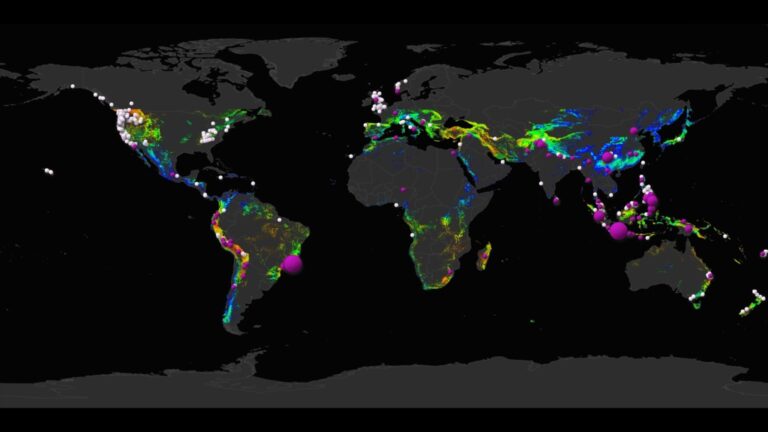
A new nowcasting model for Rio de Janeiro will provide real-time forecasting for landslides, a frequent threat in the Brazilian city.

The model, known as the Landslide Hazard Assessment for Situational Awareness (LHASA), was developed by staff at NASA’s Goddard Space Flight Center in Maryland.

To make its predictions the model draws on a number of datasets including past rainfall data, hill slope angles, local rock and soil types, levels of deforestation and the proximity of geologic structures like fault lines.

It was launched this October after an US$11,000 installation.

Because of its steep slopes and frequent rainfall landslides are a common hazard in Rio. Earlier this year, for example, landslides led to the collapse of coastal slope, destroying a cycling lane.

Prior to the launch the model was successfully tested during the 2018/2019 rainy season, said Felipe Mandarino, a city information coordinator.

“We had landslides, and I was looking at the model in real time and saw that the model was mapping a hazard – and, in fact, landslides happened,” Mandarino told Science Insider.

Mandarino said the model will complement the city’s current landslide warning system, which is a siren-based system used to alert residents in the most at-risk areas, mostly located in the city’s favelas or slums.

“The new LHASA model will be used for the parts of the city that do not have the sirens, which is certainly the biggest part of the city in terms of area – 98% or something like that,” Mandarino said.

Previous ArticleKenya creates model to forecast climate change’s impact on crops
Next Article Canada study reveals how oil sands pollution changes local weather

Read Similar Stories

Solar

India partners on hybrid solar forecasting project for large solar parks

February 5, 20262 Mins Read
Digital Applications

Nvidia launches open Earth-2 model family for AI weather forecasting

January 26, 20263 Mins Read
Data

China develops deep diffusion model to extend severe convective weather nowcasting to four hours

January 6, 20263 Mins Read
Latest News

Northumbria University secures £4m to study Earth’s radiation belts

April 16, 2026

AI model improves real-time prediction of wildfire spread

April 16, 2026

Study identifies atmospheric trigger behind flash droughts in Puerto Rico

April 15, 2026

Receive breaking stories and features in your inbox each week, for free


Enter your email address:


Supplier Spotlights
  • ELDES S.r.l.
Getting in Touch
  • Contact Us / Advertise
  • Meet the Editors
  • Media Pack
  • Free Weekly E-Newsletter
Our Social Channels
  • Facebook
  • LinkedIn
© 2026 UKi Media & Events a division of UKIP Media & Events Ltd
  • Cookie Policy
  • Privacy Policy
  • Terms and Conditions
  • Notice and Takedown Policy

Type above and press Enter to search. Press Esc to cancel.