Researchers from 15 institutions, including the US National Science Foundation National Center for Atmospheric Research (NSF NCAR) and four international partners, have begun deploying a fully mobile network across the Front Range of the Rocky Mountains and the Central Plains. With funding from NSF, the In-situ Collaborative Experiment for the Collection of Hail In the Plains (ICECHIP) team will spend six weeks gathering observations from a wide variety of hailstorms and hail types as part of the first US hail-focused field campaign in over 40 years.
Project parameters
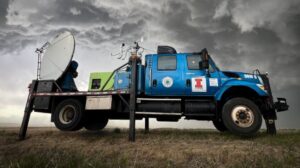
The researchers will make use of weather balloons, Doppler on Wheels (DOW) trucks, unmanned aerial vehicles (UAVs), and other hail video and collection instruments. The mobile research campaign will continue through June 30, 2025, and span hail-prone regions across the plains. During its six weeks, the project will chase hailstorms to collect data that will be instrumental in advancing hail detection, improving forecast models and strengthening public warning systems.
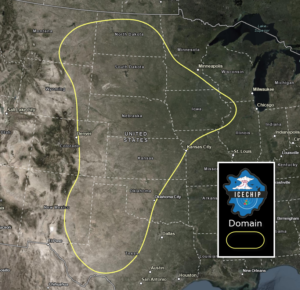
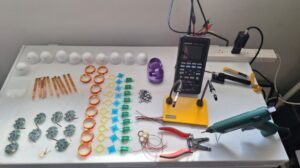
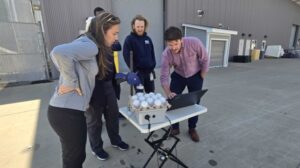
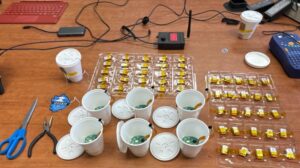
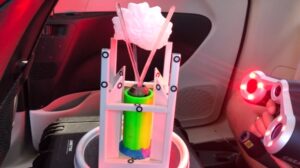
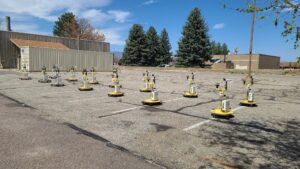
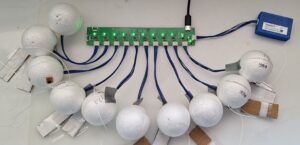
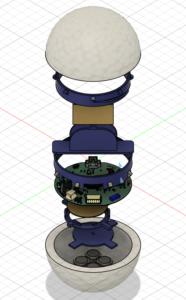
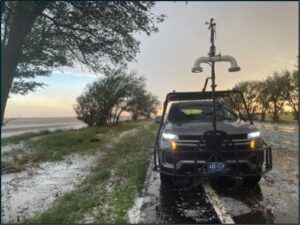
ICECHIP will focus on the US Central Plains and Front Range of the Rocky Mountains, including Montana, Wyoming, Colorado, the Dakotas, Nebraska, Kansas, Oklahoma, New Mexico and Texas. Credit: Victor GensiniDisdrometers are wind-driven hail sensors that measure the impact angle of hail. Credit: Insurance Institute for Business & Home Safety (IBHS)Components of hailsondes ready to be assembled. Credit: Australian Bureau of MeteorologyTesting a hail crusher, which measures the compressive strength of hailstones. Left to right: Researchers Brenna Meisenzahl, Heidi Efourth, Marcus Watkins, Lucas Faulkner and Jake Sorber. Credit: Insurance Institute for Business & Home Safety (IBHS)Windsonde data helps capture the environmental conditions near hailstorms. Credit: Victor Gensini3D laser scanners can generate highly detailed digital models of hailstones. Credit: Insurance Institute for Business & Home Safety (IBHS)
Community participation
Ahead of the project launch, the team hosted a hailstorm field day community event to give the public firsthand access to live weather demonstrations, storm-tracking tools and Q&A about hail research with atmospheric scientists. Hands-on demonstrations of each of the technologies were given. Attendees also learned about ways they can participate in hail research.
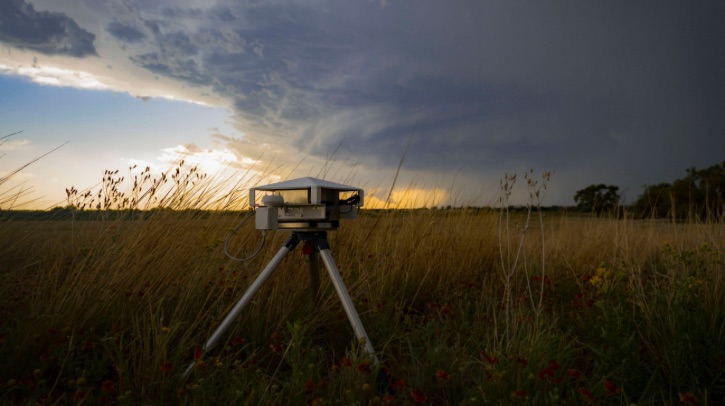
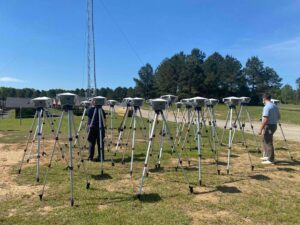
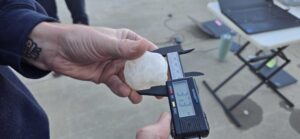
Measuring hail diameter with digital calipers. Credit: Insurance Institute for Business & Home Safety (IBHS)Pods are quickly deployable weather stations that collect standard meteorological observations of temperature, relative humidity, wind speed/direction and pressure. Credit: Flexible Array of Radars and Mesonets (FARM)Hailsondes charging and calibrating. Credit: Australian Bureau of Meteorology Hailsondes are sensors that are designed to fly around within storms to behave like hail. Credit: Australian Bureau of Meteorology
“We need better observations so we can understand the complex processes taking place in a hailstorm, which in turn will lead to better forecasts,” said Andy Heymsfield, NSF NCAR scientist and one of the ICECHIP PIs. “We’re also hoping to convert excitement about this campaign into community participation in hail research. The more people we have collecting data, even just by doing something as simple as submitting a picture you took on your phone, the more we’ll know about hail.”
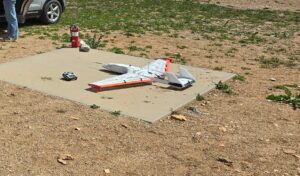
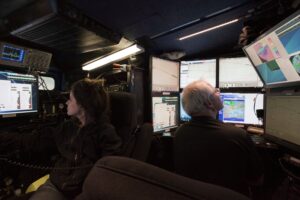
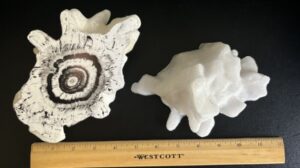
University of Colorado Boulder’s Robust Autonomous Airborne Vehicle – Endurant and Nimble (RAAVEN) aircraft system that will fly behind storms and record as much footage of the hail swath as possible. Credit: Brian ArgrowDoppler on Wheels in a supercell storm in Oklahoma. Credit: Jen WaltonPenn State’s NARHWAL (Novel Atmospheric Research on High-impact Weather Applications Laboratory) will deploy as part of ICECHIP. In addition to various instrumentation, it has mobile hail storage and an analysis lab. Credit: Kelly LombardoKaren Kosiba and Josh Wurman inside one of the Doppler on Wheels trucks. Credit: Flexible Array of Radars and Mesonets (FARM)3D-printed replica of 7in hailstone that fell in Aurora, Nebraska, on June 22, 2003. Credit: Becky Adams-Selin
In related news, NSF recently supported three collaborative research activities to study atmospheric phenomena through the winter of 2024 and summer of 2025. Click here to read the full story.