


Close Menu
Meteorological Technology International
  • News
    • A-E
      • Agriculture
      • Automated Weather Stations
      • Aviation
      • Climate Measurement
      • Data
      • Developing Countries
      • Digital Applications
      • Early Warning Systems
      • Extreme Weather
    • G-P
      • Hydrology
      • Lidar
      • Lightning Detection
      • New Appointments
      • Nowcasting
      • Numerical Weather Prediction
      • Polar Weather
    • R-S
      • Radar
      • Rainfall
      • Remote Sensing
      • Renewable Energy
      • Satellites
      • Solar
      • Space Weather
      • Supercomputers
    • T-Z
      • Training
      • Transport
      • Weather Instruments
      • Wind
      • World Meteorological Organization
      • Meteorological Technology World Expo
  • Features
  • Online Magazines
    • January 2026
    • April 2025
    • January 2025
    • September 2024
    • April 2024
    • Archive Issues
    • Subscribe Free!
  • Opinion
  • Videos
  • Supplier Spotlight
  • Expo
LinkedIn X (Twitter) Facebook
  • Sign-up for Free Weekly E-Newsletter
  • Meet the Editors
  • Contact Us
  • Media Pack
LinkedIn Facebook
Subscribe
Meteorological Technology International
  • News
      • Agriculture
      • Automated Weather Stations
      • Aviation
      • Climate Measurement
      • Data
      • Developing Countries
      • Digital Applications
      • Early Warning Systems
      • Extreme Weather
      • Hydrology
      • Lidar
      • Lightning Detection
      • New Appointments
      • Nowcasting
      • Numerical Weather Prediction
      • Polar Weather
      • Radar
      • Rainfall
      • Remote Sensing
      • Renewable Energy
      • Satellites
      • Solar
      • Space Weather
      • Supercomputers
      • Training
      • Transport
      • Weather Instruments
      • Wind
      • World Meteorological Organization
      • Meteorological Technology World Expo
  • Features
  • Online Magazines
    1. January 2026
    2. September 2025
    3. April 2025
    4. January 2025
    5. September 2024
    6. April 2024
    7. January 2024
    8. September 2023
    9. April 2023
    10. Archive Issues
    11. Subscribe Free!
    Featured
    November 27, 2025

    In this Issue – January 2026

    By Hazel KingNovember 27, 2025
    Recent

    In this Issue – January 2026

    November 27, 2025

    In this Issue – September 2025

    August 11, 2025

    In this Issue – April 2025

    April 15, 2025
  • Opinion
  • Videos
  • Supplier Spotlight
  • Expo
Facebook LinkedIn
Subscribe
Meteorological Technology International
Extreme Weather

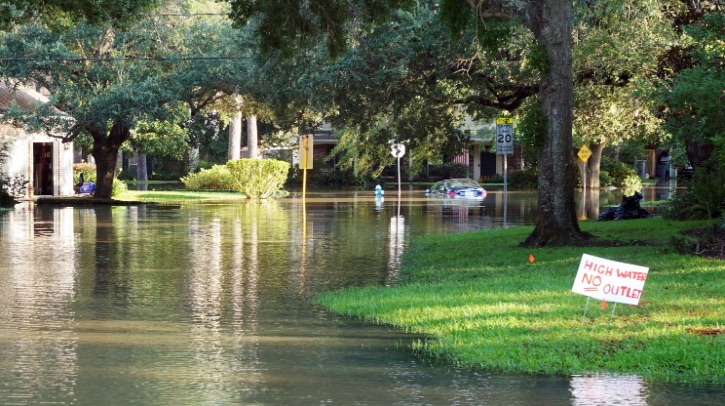
Texas universities to overhaul rural flood management systems

Elizabeth BakerBy Elizabeth BakerFebruary 26, 20253 Mins Read
Share LinkedIn Facebook Twitter Email
A team of researchers from Rice University, the University of Texas at Austin and Texas A&M University have received a National Science Foundation (NSF) grant on their proposed work to introduce a stakeholder-centered framework to reform flood management for rural Texas communities.
Share
LinkedIn Facebook Twitter Email

A team of researchers from Rice University, the University of Texas at Austin and Texas A&M University have received a National Science Foundation (NSF) grant for their proposed work that develop and introduce a stakeholder-centered framework to reform flood management for rural Texas communities.

Avantika Gori, an assistant professor of civil and environmental engineering at Rice University, is leading the project, with Rice’s James Doss-Gollin, Andrew Juan at Texas A&M University and Keri Stephens at University of Texas at Austin.

The project also brings together researchers from Rice’s Severe Storm Prediction, Education and Evacuation from Disasters Center and Ken Kennedy Institute; Texas A&M’s Institute for A Disaster Resilient Texas; and the Technology & Information Policy Institute at UT Austin. The NSF comes via the CHIRRP program (Confronting Hazards, Impacts and Risks for a Resilient Planet).

ML-powered flood understanding

The team’s project addresses these gaps by introducing a performance-based, system dynamics framework that integrates hydroclimate variability, hydrology, machine learning, community knowledge and feedback between the physical and social systems. This approach enhances understanding of flood risks while emphasizing long-term community resilience.

“By integrating the understanding of the weather dynamics that cause extreme floods, physics-based models of flooding and AI or machine learning tools together with an understanding of each community’s needs and vulnerabilities, we can better predict how different interventions will reduce a community’s risk,” said Doss-Gollin, assistant professor of civil and environmental engineering at Rice University.

Avantika Gori, assistant professor of civil and environmental engineering at Rice University. Credit: Rice University

The research will be implemented in two rural Texas communities grappling with persistent flood challenges. These case studies will demonstrate how linking global and regional hydroclimate variability with local hazard dynamics can create tailored, effective solutions. The project’s emphasis on collaboration ensures that community members are involved in every stage – from identifying priorities to implementing strategies.

This framework also incorporates resilience indicators such as business continuity, transportation access and functional critical facilities, ensuring that flood mitigation efforts benefit every aspect of rural life.

Wider applications

Beyond addressing flood risks in Texas, the project has broader implications for the future of flood-risk management across the USA. By centering community needs and fostering partnerships among academia, local organizations and government agencies, the framework provides a blueprint for confronting climate change, aging infrastructure and population growth.

“This work is about more than flood science – it’s also about identifying ways to help communities understand flooding using words that reflect their values and priorities,” said Stephens, professor and distinguished teaching professor at the University of Texas at Austin. “We’re creating tools that empower communities to not only recover from disasters but to thrive long term.”

A key component of the project is public education. Efforts to strengthen scientific literacy, develop accessible training materials and prepare the next generation of leaders in convergent and transdisciplinary practices are central to its mission.

“We want to bring an Earth systems science approach to bear on solutions-oriented research,” said Juan, associate research scientist at the Institute for a Disaster Resilient Texas at Texas A&M University. “Ultimately, we’re training the next generation of experts while equipping rural communities with the knowledge and capacity to address recurring floods now and in the future.”

In related news, India’s Ministry of Earth Sciences (MoES) recently began exploring the integration of AI technologies into weather and climate forecasting systems and physics-based numerical models. Click here to read the full story.

Previous ArticleNSF NCAR develops lidar with low-cost lasers to improve severe weather predictions
Next Article OPINION: Advancing the monitoring of space weather events

Read Similar Stories

Extreme Weather

AI model improves real-time prediction of wildfire spread

April 16, 20263 Mins Read
Climate Measurement

Study identifies atmospheric trigger behind flash droughts in Puerto Rico

April 15, 20263 Mins Read
Climate Measurement

Regional training aims to improve flood forecasting in Central Africa

April 1, 20263 Mins Read
Latest News

Northumbria University secures £4m to study Earth’s radiation belts

April 16, 2026

AI model improves real-time prediction of wildfire spread

April 16, 2026

Study identifies atmospheric trigger behind flash droughts in Puerto Rico

April 15, 2026

Receive breaking stories and features in your inbox each week, for free


Enter your email address:


Supplier Spotlights
  • Raymetrics
Getting in Touch
  • Contact Us / Advertise
  • Meet the Editors
  • Media Pack
  • Free Weekly E-Newsletter
Our Social Channels
  • Facebook
  • LinkedIn
© 2026 UKi Media & Events a division of UKIP Media & Events Ltd
  • Cookie Policy
  • Privacy Policy
  • Terms and Conditions
  • Notice and Takedown Policy

Type above and press Enter to search. Press Esc to cancel.