


Close Menu
Meteorological Technology International
  • News
    • A-E
      • Agriculture
      • Automated Weather Stations
      • Aviation
      • Climate Measurement
      • Data
      • Developing Countries
      • Digital Applications
      • Early Warning Systems
      • Extreme Weather
    • G-P
      • Hydrology
      • Lidar
      • Lightning Detection
      • New Appointments
      • Nowcasting
      • Numerical Weather Prediction
      • Polar Weather
    • R-S
      • Radar
      • Rainfall
      • Remote Sensing
      • Renewable Energy
      • Satellites
      • Solar
      • Space Weather
      • Supercomputers
    • T-Z
      • Training
      • Transport
      • Weather Instruments
      • Wind
      • World Meteorological Organization
      • Meteorological Technology World Expo
  • Features
  • Online Magazines
    • January 2026
    • April 2025
    • January 2025
    • September 2024
    • April 2024
    • Archive Issues
    • Subscribe Free!
  • Opinion
  • Videos
  • Supplier Spotlight
  • Expo
LinkedIn X (Twitter) Facebook
  • Sign-up for Free Weekly E-Newsletter
  • Meet the Editors
  • Contact Us
  • Media Pack
LinkedIn Facebook
Subscribe
Meteorological Technology International
  • News
      • Agriculture
      • Automated Weather Stations
      • Aviation
      • Climate Measurement
      • Data
      • Developing Countries
      • Digital Applications
      • Early Warning Systems
      • Extreme Weather
      • Hydrology
      • Lidar
      • Lightning Detection
      • New Appointments
      • Nowcasting
      • Numerical Weather Prediction
      • Polar Weather
      • Radar
      • Rainfall
      • Remote Sensing
      • Renewable Energy
      • Satellites
      • Solar
      • Space Weather
      • Supercomputers
      • Training
      • Transport
      • Weather Instruments
      • Wind
      • World Meteorological Organization
      • Meteorological Technology World Expo
  • Features
  • Online Magazines
    1. January 2026
    2. September 2025
    3. April 2025
    4. January 2025
    5. September 2024
    6. April 2024
    7. January 2024
    8. September 2023
    9. April 2023
    10. Archive Issues
    11. Subscribe Free!
    Featured
    November 27, 2025

    In this Issue – January 2026

    By Hazel KingNovember 27, 2025
    Recent

    In this Issue – January 2026

    November 27, 2025

    In this Issue – September 2025

    August 11, 2025

    In this Issue – April 2025

    April 15, 2025
  • Opinion
  • Videos
  • Supplier Spotlight
  • Expo
Facebook LinkedIn
Subscribe
Meteorological Technology International
Extreme Weather

Texas A&M University uses AI to show link between weather and pollution

Hazel KingBy Hazel KingAugust 13, 20253 Mins Read
Share LinkedIn Facebook Twitter Email
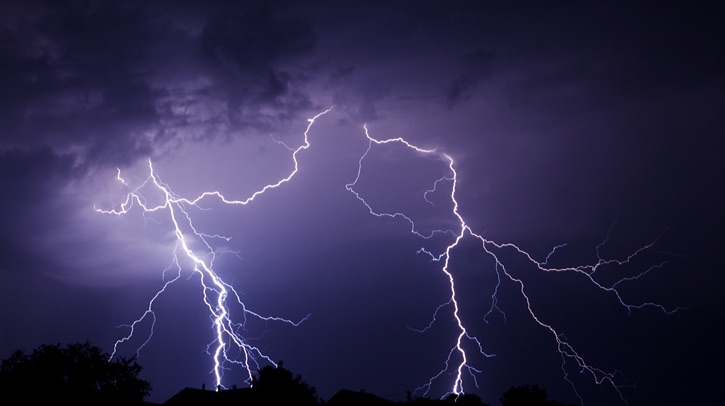
A lightning strike lights up the sky
Share
LinkedIn Facebook Twitter Email

New research from Texas A&M University has used artificial intelligence to track pollution caused by accidental chemical emissions during weather events such as heavy rain or lightning strikes.

According to the Understanding the effects of natural hazards on chemical emission incidents using machine learning techniques study, an unplanned emissions event or unscheduled maintenance that results in unauthorized emissions of air pollutants is known as a chemical emissions incident. Extreme weather events frequently cause chemical emissions incidents, with some weather conditions causing more incidents than others.

Researchers used AI to analyze chemical emissions incident reports and weather data collected from the Houston area over the past 20 years.

“In this study, we pursued a data-driven understanding of how climate extremes elevate the likelihood of excessive industrial emissions,” said Dr Qingsheng Wang, a professor of chemical engineering at Texas A&M. “This understanding is laying the groundwork for predictive tools allowing regulators and operators to anticipate natural hazard-triggered technological accidents.”

Dominant predictors of pollution

The results indicate that precipitation and lightning are the two dominant predictors of chemical emissions incidents, and therefore of increased pollution. Flooding associated with heavy rain or hurricanes drives equipment failure, while lightning-induced power loss forces emergency flaring, the report found.

“Lightning and rainfall aren’t just weather forecast items; they’re leading indicators of pollution spikes,” commented Haoyu Yang, a chemical engineering PhD student at Texas A&M.

Equipped with the knowledge that lightning and precipitation are the most likely weather variables to lead to a chemical emissions incident, researchers and local officials can be more prepared for these conditions and even find ways to prevent them.

Forecasting ‘high-risk’ days allows agencies to issue early warnings and reduce public exposure to carcinogens and smog precursors released during chemical emissions incidents, the study suggests.

Improving resilience

The researchers also found that identifying trends can support the implementation of evidence-based policies with the quantification of lightning and precipitation-driven risks supporting targeted upgrades, like backup power and flood-proofing at facilities located near neighborhoods.

This can bolster emergency preparedness and community resilience, which may already be occurring according to researchers’ observations.

“We discovered that the strength of climate-incident correlations drifts over time, hinting at improving industrial resilience, potentially due to post-[Hurricane] Harvey upgrades,” said Yang. “This weakens previously strong climate signals in the later years of the study. Identifying changes in the data over time is now a priority for future research.”

The research was produced through a collaboration between the Artie McFerrin Department of Chemical Engineering and the Texas A&M University Department of Geography.

In related news, forecasters from NOAA’s National Weather Service have reported the number of expected named storms in the Atlantic with winds of 39mph to be 13-18 in this year’s hurricane season (June 1-November 30), with 5-9 expected to become hurricanes and 2-5 major hurricanes. Read the full story here

Previous ArticleANA implements AI-based turbulence prediction technology
Next Article New research program aims to improve hurricane predictions with ocean data

Read Similar Stories

Extreme Weather

AI model improves real-time prediction of wildfire spread

April 16, 20263 Mins Read
Climate Measurement

Study identifies atmospheric trigger behind flash droughts in Puerto Rico

April 15, 20263 Mins Read
Climate Measurement

Regional training aims to improve flood forecasting in Central Africa

April 1, 20263 Mins Read
Latest News

Northumbria University secures £4m to study Earth’s radiation belts

April 16, 2026

AI model improves real-time prediction of wildfire spread

April 16, 2026

Study identifies atmospheric trigger behind flash droughts in Puerto Rico

April 15, 2026

Receive breaking stories and features in your inbox each week, for free


Enter your email address:


Supplier Spotlights
  • EUMETSAT
Getting in Touch
  • Contact Us / Advertise
  • Meet the Editors
  • Media Pack
  • Free Weekly E-Newsletter
Our Social Channels
  • Facebook
  • LinkedIn
© 2026 UKi Media & Events a division of UKIP Media & Events Ltd
  • Cookie Policy
  • Privacy Policy
  • Terms and Conditions
  • Notice and Takedown Policy

Type above and press Enter to search. Press Esc to cancel.