


Close Menu
Meteorological Technology International
  • News
    • A-E
      • Agriculture
      • Automated Weather Stations
      • Aviation
      • Climate Measurement
      • Data
      • Developing Countries
      • Digital Applications
      • Early Warning Systems
      • Extreme Weather
    • G-P
      • Hydrology
      • Lidar
      • Lightning Detection
      • New Appointments
      • Nowcasting
      • Numerical Weather Prediction
      • Polar Weather
    • R-S
      • Radar
      • Rainfall
      • Remote Sensing
      • Renewable Energy
      • Satellites
      • Solar
      • Space Weather
      • Supercomputers
    • T-Z
      • Training
      • Transport
      • Weather Instruments
      • Wind
      • World Meteorological Organization
      • Meteorological Technology World Expo
  • Features
  • Online Magazines
    • January 2026
    • April 2025
    • January 2025
    • September 2024
    • April 2024
    • Archive Issues
    • Subscribe Free!
  • Opinion
  • Videos
  • Supplier Spotlight
  • Expo
LinkedIn X (Twitter) Facebook
  • Sign-up for Free Weekly E-Newsletter
  • Meet the Editors
  • Contact Us
  • Media Pack
LinkedIn Facebook
Subscribe
Meteorological Technology International
  • News
      • Agriculture
      • Automated Weather Stations
      • Aviation
      • Climate Measurement
      • Data
      • Developing Countries
      • Digital Applications
      • Early Warning Systems
      • Extreme Weather
      • Hydrology
      • Lidar
      • Lightning Detection
      • New Appointments
      • Nowcasting
      • Numerical Weather Prediction
      • Polar Weather
      • Radar
      • Rainfall
      • Remote Sensing
      • Renewable Energy
      • Satellites
      • Solar
      • Space Weather
      • Supercomputers
      • Training
      • Transport
      • Weather Instruments
      • Wind
      • World Meteorological Organization
      • Meteorological Technology World Expo
  • Features
  • Online Magazines
    1. January 2026
    2. September 2025
    3. April 2025
    4. January 2025
    5. September 2024
    6. April 2024
    7. January 2024
    8. September 2023
    9. April 2023
    10. Archive Issues
    11. Subscribe Free!
    Featured
    November 27, 2025

    In this Issue – January 2026

    By Hazel KingNovember 27, 2025
    Recent

    In this Issue – January 2026

    November 27, 2025

    In this Issue – September 2025

    August 11, 2025

    In this Issue – April 2025

    April 15, 2025
  • Opinion
  • Videos
  • Supplier Spotlight
  • Expo
Facebook LinkedIn
Subscribe
Meteorological Technology International
Early Warning Systems

FMI replaces grass and forest fire warnings with wildfire warnings

Elizabeth BakerBy Elizabeth BakerApril 19, 20242 Mins Read
Share LinkedIn Facebook Twitter Email
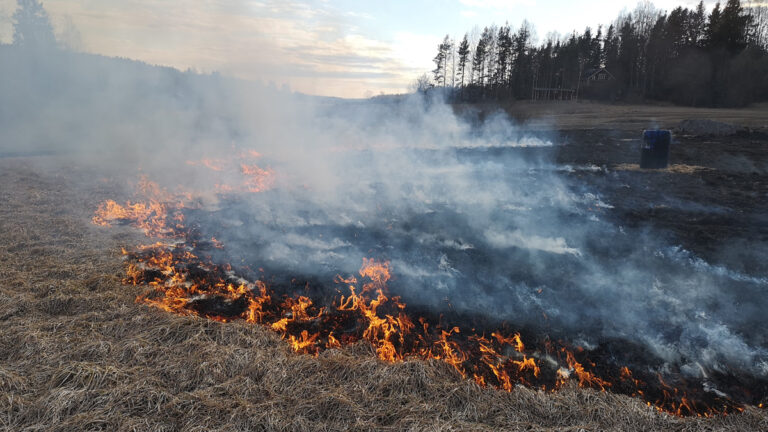
FMI replaces grass and forest fire warnings with wildfire warnings
Credit: Tuomo Bergman
Share
LinkedIn Facebook Twitter Email

Starting this spring, the Finnish Meteorological Institute (FMI) will no longer issue separate grass and forest fire warnings but will replace them with a wildfire warning. The new term is defined in the revised Rescue Act, which entered into force at the beginning of 2024.

“The warnings aim to reduce wildfires in situations where the risk of a wildfire is evident, due to the drought of the terrain and weather conditions,” said account manager Tuomo Bergman from the Finnish Meteorological Institute.

Wildfire warnings are day-specific and can be issued up to five days in advance. The warning for the day is always given at midnight, but warnings can also be removed at other times, if the weather permits.

Yellow, orange and red levels

Warnings are published on the FMI website’s warnings map and on the local weather page. In the warnings map, a sign familiar from grass fires is used as the wildfire sign.

Wildfire warnings have three different levels – yellow, orange and red. The probability of large and rapidly propagating wildfires increases with orange and red level warnings.

Weather observations

When issuing warnings, the meteorologist uses the wildfire index, as well as weather observations and forecasts, in addition to their own expertise. The wildfire index calculates the dryness of the terrain, using weather observations, such as precipitation, air temperature and wind. The index has been developed at the Finnish Meteorological Institute to suit Finnish conditions.

In related news, the FMI recently released research dedicated to developing improvements to monitoring the freeze/thaw (F/T) state with synthetic aperture radar (SAR) satellites. Click here to read the full story.

Previous ArticleWMO develops hydrological capacity in Central America
Next Article In this Issue – April 2024

Read Similar Stories

Extreme Weather

AI model improves real-time prediction of wildfire spread

April 16, 20263 Mins Read
Climate Measurement

Study identifies atmospheric trigger behind flash droughts in Puerto Rico

April 15, 20263 Mins Read
Climate Measurement

Regional training aims to improve flood forecasting in Central Africa

April 1, 20263 Mins Read
Latest News

Northumbria University secures £4m to study Earth’s radiation belts

April 16, 2026

AI model improves real-time prediction of wildfire spread

April 16, 2026

Study identifies atmospheric trigger behind flash droughts in Puerto Rico

April 15, 2026

Receive breaking stories and features in your inbox each week, for free


Enter your email address:


Supplier Spotlights
  • ROTRONIC AG
Getting in Touch
  • Contact Us / Advertise
  • Meet the Editors
  • Media Pack
  • Free Weekly E-Newsletter
Our Social Channels
  • Facebook
  • LinkedIn
© 2026 UKi Media & Events a division of UKIP Media & Events Ltd
  • Cookie Policy
  • Privacy Policy
  • Terms and Conditions
  • Notice and Takedown Policy

Type above and press Enter to search. Press Esc to cancel.