


Close Menu
Meteorological Technology International
  • News
    • A-E
      • Agriculture
      • Automated Weather Stations
      • Aviation
      • Climate Measurement
      • Data
      • Developing Countries
      • Digital Applications
      • Early Warning Systems
      • Extreme Weather
    • G-P
      • Hydrology
      • Lidar
      • Lightning Detection
      • New Appointments
      • Nowcasting
      • Numerical Weather Prediction
      • Polar Weather
    • R-S
      • Radar
      • Rainfall
      • Remote Sensing
      • Renewable Energy
      • Satellites
      • Solar
      • Space Weather
      • Supercomputers
    • T-Z
      • Training
      • Transport
      • Weather Instruments
      • Wind
      • World Meteorological Organization
      • Meteorological Technology World Expo
  • Features
  • Online Magazines
    • January 2026
    • April 2025
    • January 2025
    • September 2024
    • April 2024
    • Archive Issues
    • Subscribe Free!
  • Opinion
  • Videos
  • Supplier Spotlight
  • Expo
LinkedIn X (Twitter) Facebook
  • Sign-up for Free Weekly E-Newsletter
  • Meet the Editors
  • Contact Us
  • Media Pack
LinkedIn Facebook
Subscribe
Meteorological Technology International
  • News
      • Agriculture
      • Automated Weather Stations
      • Aviation
      • Climate Measurement
      • Data
      • Developing Countries
      • Digital Applications
      • Early Warning Systems
      • Extreme Weather
      • Hydrology
      • Lidar
      • Lightning Detection
      • New Appointments
      • Nowcasting
      • Numerical Weather Prediction
      • Polar Weather
      • Radar
      • Rainfall
      • Remote Sensing
      • Renewable Energy
      • Satellites
      • Solar
      • Space Weather
      • Supercomputers
      • Training
      • Transport
      • Weather Instruments
      • Wind
      • World Meteorological Organization
      • Meteorological Technology World Expo
  • Features
  • Online Magazines
    1. January 2026
    2. September 2025
    3. April 2025
    4. January 2025
    5. September 2024
    6. April 2024
    7. January 2024
    8. September 2023
    9. April 2023
    10. Archive Issues
    11. Subscribe Free!
    Featured
    November 27, 2025

    In this Issue – January 2026

    By Hazel KingNovember 27, 2025
    Recent

    In this Issue – January 2026

    November 27, 2025

    In this Issue – September 2025

    August 11, 2025

    In this Issue – April 2025

    April 15, 2025
  • Opinion
  • Videos
  • Supplier Spotlight
  • Expo
Facebook LinkedIn
Subscribe
Meteorological Technology International
Early Warning Systems

Number of countries with multi-hazard early warning systems reaches record high, says UN and WMO report

Alex PackBy Alex PackNovember 13, 20252 Mins Read
Share LinkedIn Facebook Twitter Email
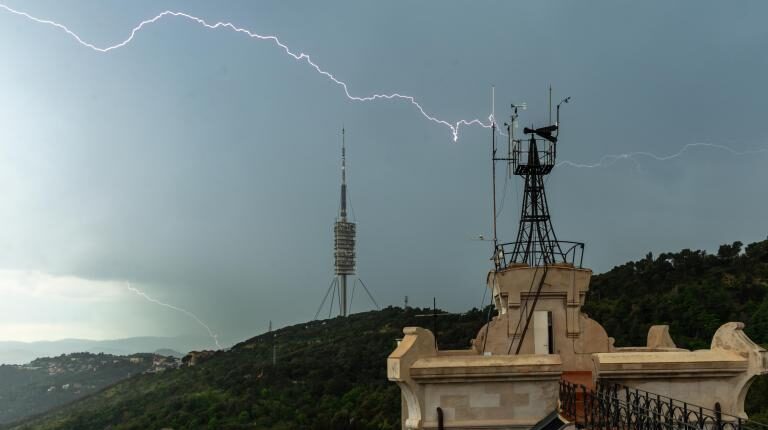
A storm moves over a hill, with lightning moving across the sky and a weather station in the foreground
Photo: WMO 2026 Calendar Competition / Alfons Puertas
Share
LinkedIn Facebook Twitter Email

The number of countries with reported multi-hazard early warning systems has reach a record high of 119 – or 60% of all countries – with the comprehensiveness of all systems increasing by an average of 45% across all regions, according to a new report from the UN Office for Disaster Risk Reduction (UNDRR) and the WMO.

The Global Status of Multi-Hazard Early Warning Systems 2025 report, launched yesterday at the COP30 Belém Climate Summit, provided an update on the progress of the UN’s Early Warnings for All initiative, which has the aim of protecting everyone on earth with an early warning system by 2027.

The report notes that while significant progress had been made, critical gaps remain, with urgent action needed to reach the Early Warnings for All targets. It urged governments around the world to accelerate targeted financial investments, strengthen risk governance, and ensure that all systems are co-developed with local communities.

Special focus is placed in the report on emerging hazards that are intensifying, such as extreme heat, wildfires and glacial outbursts. These are said to pose new threats that existing early warning systems are not equipped to handle.

Africa is the region with the greatest progress since 2015, with a 72% growth in comprehensiveness. However, it remains the region with the lowest scores.

“On a daily basis, we see destructive weather – most recently in Jamaica, the Philippines and Vietnam. Each event leaves lasting impacts on communities, economies and ecosystems. The scars remain long after the headlines,” said WMO secretary-general Celeste Saulo. “Without advance forecasts, early warnings and early action, the loss of life would have been much, much higher.”

Kamal Kishore, head of the UNDRR, said that the disasters were neither natural nor inevitable. “To reverse these trends, countries must accelerate the full implementation of the Sendai Framework in the remaining five years. This requires prioritising financing for resilience,” he added.

While pre-disaster anticipatory action is gaining momentum, the report identifies the need for further strengthening disaster risk knowledge, which has seen a 16% improvement since 2022. Less than one-third of all countries report having capabilities for risk knowledge, which is the foundation for all other components of an effective warning system.

In related news, UN Secretary-General calls for rapid expansion of early warning systems at WMO Congress

Previous ArticleArcadis and Jupiter Intelligence partner to accelerate global climate resilience solutions
Next Article ESA “actively monitoring” severe space weather event following powerful solar flare

Read Similar Stories

Climate Measurement

Regional training aims to improve flood forecasting in Central Africa

April 1, 20263 Mins Read
Early Warning Systems

European Commission sets out strategy to address growing wildfire risk

March 31, 20263 Mins Read
Climate Measurement

Global climate indicators reach record imbalance, WMO warns

March 23, 20263 Mins Read
Latest News

Northumbria University secures £4m to study Earth’s radiation belts

April 16, 2026

AI model improves real-time prediction of wildfire spread

April 16, 2026

Study identifies atmospheric trigger behind flash droughts in Puerto Rico

April 15, 2026

Receive breaking stories and features in your inbox each week, for free


Enter your email address:


Supplier Spotlights
  • Sommer GmbH
Getting in Touch
  • Contact Us / Advertise
  • Meet the Editors
  • Media Pack
  • Free Weekly E-Newsletter
Our Social Channels
  • Facebook
  • LinkedIn
© 2026 UKi Media & Events a division of UKIP Media & Events Ltd
  • Cookie Policy
  • Privacy Policy
  • Terms and Conditions
  • Notice and Takedown Policy

Type above and press Enter to search. Press Esc to cancel.