


Close Menu
Meteorological Technology International
  • News
    • A-E
      • Agriculture
      • Automated Weather Stations
      • Aviation
      • Climate Measurement
      • Data
      • Developing Countries
      • Digital Applications
      • Early Warning Systems
      • Extreme Weather
    • G-P
      • Hydrology
      • Lidar
      • Lightning Detection
      • New Appointments
      • Nowcasting
      • Numerical Weather Prediction
      • Polar Weather
    • R-S
      • Radar
      • Rainfall
      • Remote Sensing
      • Renewable Energy
      • Satellites
      • Solar
      • Space Weather
      • Supercomputers
    • T-Z
      • Training
      • Transport
      • Weather Instruments
      • Wind
      • World Meteorological Organization
      • Meteorological Technology World Expo
  • Features
  • Online Magazines
    • January 2026
    • April 2025
    • January 2025
    • September 2024
    • April 2024
    • Archive Issues
    • Subscribe Free!
  • Opinion
  • Videos
  • Supplier Spotlight
  • Expo
LinkedIn X (Twitter) Facebook
  • Sign-up for Free Weekly E-Newsletter
  • Meet the Editors
  • Contact Us
  • Media Pack
LinkedIn Facebook
Subscribe
Meteorological Technology International
  • News
      • Agriculture
      • Automated Weather Stations
      • Aviation
      • Climate Measurement
      • Data
      • Developing Countries
      • Digital Applications
      • Early Warning Systems
      • Extreme Weather
      • Hydrology
      • Lidar
      • Lightning Detection
      • New Appointments
      • Nowcasting
      • Numerical Weather Prediction
      • Polar Weather
      • Radar
      • Rainfall
      • Remote Sensing
      • Renewable Energy
      • Satellites
      • Solar
      • Space Weather
      • Supercomputers
      • Training
      • Transport
      • Weather Instruments
      • Wind
      • World Meteorological Organization
      • Meteorological Technology World Expo
  • Features
  • Online Magazines
    1. January 2026
    2. September 2025
    3. April 2025
    4. January 2025
    5. September 2024
    6. April 2024
    7. January 2024
    8. September 2023
    9. April 2023
    10. Archive Issues
    11. Subscribe Free!
    Featured
    November 27, 2025

    In this Issue – January 2026

    By Hazel KingNovember 27, 2025
    Recent

    In this Issue – January 2026

    November 27, 2025

    In this Issue – September 2025

    August 11, 2025

    In this Issue – April 2025

    April 15, 2025
  • Opinion
  • Videos
  • Supplier Spotlight
  • Expo
Facebook LinkedIn
Subscribe
Meteorological Technology International
Climate Measurement

Global climate indicators reach record imbalance, WMO warns

Alex PackBy Alex PackMarch 23, 20263 Mins Read
Share LinkedIn Facebook Twitter Email
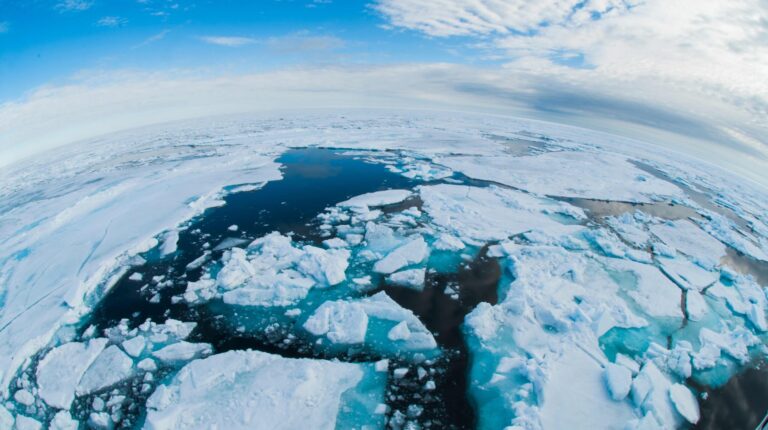
Arctic Ocean sea ice and ice floes breaking up and melting, depicting environment, global warming, and climate change impacts with dark water visible under a wide blue sky
Share
LinkedIn Facebook Twitter Email

The Earth’s climate system is “increasingly out of balance”, with key indicators reaching record levels, according to the World Meteorological Organization’s (WMO) State of the Global Climate 2025 report.

The report confirms that 2015-2025 were the hottest 11 years on record, with 2025 ranking as the second or third warmest year, at around 1.43°C above the 1850-1900 average.

For the first time, the report highlights the Earth’s energy imbalance as a key metric. This measures the difference between incoming solar energy and outgoing heat. The imbalance reached its highest level in the 65-year observational record in 2025, driven by rising greenhouse gas concentrations.

“The State of the Global Climate is in a state of emergency. Planet Earth is being pushed beyond its limits. Every key climate indicator is flashing red,” said UN secretary-general António Guterres.

Ocean warming continues to play a central role. Over the past two decades, the ocean has absorbed energy equivalent to around 18 times annual global human energy use each year. More than 90% of excess heat in the climate system is stored in the ocean, with ocean heat content reaching a new record in 2025.

WMO secretary-general Celeste Saulo said, “Human activities are increasingly disrupting the natural equilibrium and we will live with these consequences for hundreds and thousands of years.”

She added that extreme weather events are becoming more severe: “In 2025, heatwaves, wildfires, drought, tropical cyclones, storms and flooding caused thousands of deaths, impacted millions of people and caused billions in economic losses.”

Cryosphere indicators also show continued decline. Arctic sea ice extent was at or near a record low, Antarctic sea ice was the third lowest on record and glacier mass loss remained among the most severe observed. Melting ice, combined with ocean warming, is contributing to long-term sea-level rise, which has accelerated since satellite records began in 1993.

The report notes that greenhouse gas concentrations – carbon dioxide, methane and nitrous oxide – are now at their highest levels in at least 800,000 years. Carbon dioxide concentrations in 2024 reached their highest level in two million years.

Extreme weather events are increasingly affecting food security, displacement and public health. The report highlights rising risks from heat stress and vector-borne diseases such as dengue, as well as the growing need for integrated climate and health data systems.

Released on World Meteorological Day and its theme ‘Observing Today, Protecting Tomorrow’, the report is based on contributions from national meteorological services, UN agencies and scientific experts.

Related news, WMO retires Hurricane Melissa name after deadly 2025 storm

Previous ArticleBureau of Meteorology to install temporary weather radar to restore network coverage in Wyndham, Western Australia
Next Article Met Office launches platform to support needs of evolving aviation industry

Read Similar Stories

Extreme Weather

AI model improves real-time prediction of wildfire spread

April 16, 20263 Mins Read
Climate Measurement

Study identifies atmospheric trigger behind flash droughts in Puerto Rico

April 15, 20263 Mins Read
Satellites

AI tool uses weather satellite data to map ocean currents in near real time

April 14, 20263 Mins Read
Latest News

Northumbria University secures £4m to study Earth’s radiation belts

April 16, 2026

AI model improves real-time prediction of wildfire spread

April 16, 2026

Study identifies atmospheric trigger behind flash droughts in Puerto Rico

April 15, 2026

Receive breaking stories and features in your inbox each week, for free


Enter your email address:


Supplier Spotlights
  • Geolux d.o.o.
Getting in Touch
  • Contact Us / Advertise
  • Meet the Editors
  • Media Pack
  • Free Weekly E-Newsletter
Our Social Channels
  • Facebook
  • LinkedIn
© 2026 UKi Media & Events a division of UKIP Media & Events Ltd
  • Cookie Policy
  • Privacy Policy
  • Terms and Conditions
  • Notice and Takedown Policy

Type above and press Enter to search. Press Esc to cancel.