


Close Menu
Meteorological Technology International
  • News
    • A-E
      • Agriculture
      • Automated Weather Stations
      • Aviation
      • Climate Measurement
      • Data
      • Developing Countries
      • Digital Applications
      • Early Warning Systems
      • Extreme Weather
    • G-P
      • Hydrology
      • Lidar
      • Lightning Detection
      • New Appointments
      • Nowcasting
      • Numerical Weather Prediction
      • Polar Weather
    • R-S
      • Radar
      • Rainfall
      • Remote Sensing
      • Renewable Energy
      • Satellites
      • Solar
      • Space Weather
      • Supercomputers
    • T-Z
      • Training
      • Transport
      • Weather Instruments
      • Wind
      • World Meteorological Organization
      • Meteorological Technology World Expo
  • Features
  • Online Magazines
    • January 2026
    • April 2025
    • January 2025
    • September 2024
    • April 2024
    • Archive Issues
    • Subscribe Free!
  • Opinion
  • Videos
  • Supplier Spotlight
  • Expo
LinkedIn X (Twitter) Facebook
  • Sign-up for Free Weekly E-Newsletter
  • Meet the Editors
  • Contact Us
  • Media Pack
LinkedIn Facebook
Subscribe
Meteorological Technology International
  • News
      • Agriculture
      • Automated Weather Stations
      • Aviation
      • Climate Measurement
      • Data
      • Developing Countries
      • Digital Applications
      • Early Warning Systems
      • Extreme Weather
      • Hydrology
      • Lidar
      • Lightning Detection
      • New Appointments
      • Nowcasting
      • Numerical Weather Prediction
      • Polar Weather
      • Radar
      • Rainfall
      • Remote Sensing
      • Renewable Energy
      • Satellites
      • Solar
      • Space Weather
      • Supercomputers
      • Training
      • Transport
      • Weather Instruments
      • Wind
      • World Meteorological Organization
      • Meteorological Technology World Expo
  • Features
  • Online Magazines
    1. January 2026
    2. September 2025
    3. April 2025
    4. January 2025
    5. September 2024
    6. April 2024
    7. January 2024
    8. September 2023
    9. April 2023
    10. Archive Issues
    11. Subscribe Free!
    Featured
    November 27, 2025

    In this Issue – January 2026

    By Hazel KingNovember 27, 2025
    Recent

    In this Issue – January 2026

    November 27, 2025

    In this Issue – September 2025

    August 11, 2025

    In this Issue – April 2025

    April 15, 2025
  • Opinion
  • Videos
  • Supplier Spotlight
  • Expo
Facebook LinkedIn
Subscribe
Meteorological Technology International
Early Warning Systems

Fiji government and UNDP collaborate on Green Climate Fund proposal for early warning systems

Elizabeth BakerBy Elizabeth BakerMarch 13, 20243 Mins Read
Share LinkedIn Facebook Twitter Email
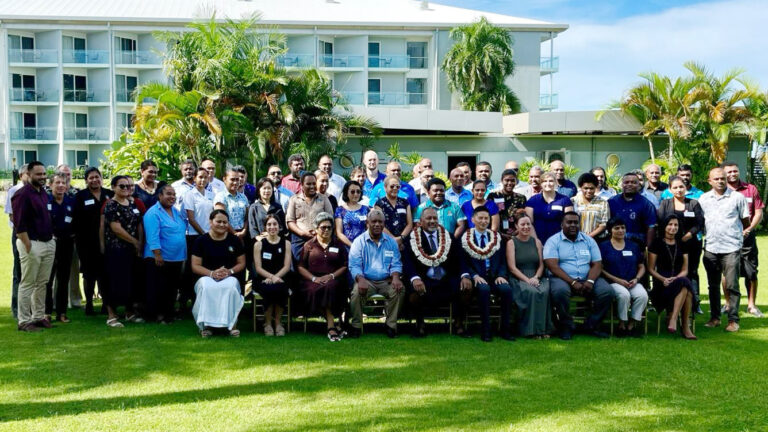
Fiji government and UNDP collaborate on Green Climate Fund proposal for early warning systems.
Share
LinkedIn Facebook Twitter Email

Fiji government representatives, United Nations (UN) agencies and other key stakeholders convened at the Grand Pacific Hotel to develop a Green Climate Fund (GCF) proposal that will address challenges and improve the effectiveness of Fiji’s Early Warning Systems (EWS).

Fiji’s selection among seven countries for coordinated support under the EW4All initiative marks a step toward enhancing climate information services and establishing a people-centered multi-hazard early warning system. This system will prioritize vulnerable communities, including persons with disabilities, women, children and ethnic minorities.

The EW4All framework is built on four pillars: Disaster Risk Knowledge; Observations and Forecasting; Dissemination and Communication; and Preparedness and Response. These pillars, along with the imperative of a multi-hazard, end-to-end and people-centered approach, were found to be pivotal in fortifying EWS effectiveness. Moreover, recognizing the diverse impacts of disasters and climate change, an intersectional approach was advocated at the event for inclusivity and equity.

Facilitated by the UNDP, GCF and National Disaster Management Office, the technical working group workshop was attended by representatives of the Rural and Maritime Development and Disaster Management Ministry, the Fiji Meteorological Service, the United Nations Office for the Disaster Risk Reduction, the World Meteorological Organization, the International Telecommunication Union and other partners including IFRC and Fiji Red Cross.

In his opening address, the Minister for Rural and Maritime Development and Disaster Management, the Honorable Sakiasi Ditoka, emphasized the pressing need for Pacific Island Countries to confront the dual challenges of frequent natural hazards and limited risk management capacity.

With millions affected and significant economic losses incurred, Minister Ditoka stressed the imperative of integrating risk mitigation measures into development planning to alleviate vulnerability on a global scale. Highlighting Fiji’s leadership in the EW4All initiative and the escalating impacts of climate change on natural disasters, he stressed the importance of inclusive community engagement and the incorporation of indigenous knowledge systems into modern early warning strategies.

Minister Ditoka also issued a call to action, urging collective commitment to the project. He said, “The Advancing Early Warning for All project is more than just a project, it’s a commitment to the safety and well-being of every Fijian. Through our collective efforts, we can ensure that our nation is better prepared, more resilient, and capable of thriving in the face of adversity.”

Expressing UN support, Iori Kato, acting UN Resident Coordinator for Fiji, affirmed the commitment to bolster Fiji’s efforts in advancing multi-hazard early warning systems and outlined the UN’s dedication to providing technical and financial assistance for the project’s success.

On day two of the event, Isoa Talemaibua, Permanent Secretary for the Ministry of Rural and Maritime Development and Disaster Management, emphasized the importance of empowering individuals to respond to early warnings through education and capacity building.

Echoing this sentiment, Yemesrach Workie, Deputy Resident Representative of UNDP Pacific Office in Fiji, stressed the necessity of inclusivity and equality in the proposal’s development, ensuring the needs of marginalized groups are addressed.

Read more of the latest early warning systems updates from the meteorological technology industry, here.

Previous ArticleUtimaco to support Early Warnings For All initiative
Next Article WMO’s SERCOM agrees on updated climate service measures

Read Similar Stories

Climate Measurement

Regional training aims to improve flood forecasting in Central Africa

April 1, 20263 Mins Read
Early Warning Systems

European Commission sets out strategy to address growing wildfire risk

March 31, 20263 Mins Read
Rainfall

New research to improve flash flood warnings in rural Virginia

March 17, 20263 Mins Read
Latest News

Northumbria University secures £4m to study Earth’s radiation belts

April 16, 2026

AI model improves real-time prediction of wildfire spread

April 16, 2026

Study identifies atmospheric trigger behind flash droughts in Puerto Rico

April 15, 2026

Receive breaking stories and features in your inbox each week, for free


Enter your email address:


Supplier Spotlights
  • ZOGLAB Microsystem Co., Ltd
Getting in Touch
  • Contact Us / Advertise
  • Meet the Editors
  • Media Pack
  • Free Weekly E-Newsletter
Our Social Channels
  • Facebook
  • LinkedIn
© 2026 UKi Media & Events a division of UKIP Media & Events Ltd
  • Cookie Policy
  • Privacy Policy
  • Terms and Conditions
  • Notice and Takedown Policy

Type above and press Enter to search. Press Esc to cancel.