
Close Menu
Meteorological Technology International
  • News
    • A-E
      • Agriculture
      • Automated Weather Stations
      • Aviation
      • Climate Measurement
      • Data
      • Developing Countries
      • Digital Applications
      • Early Warning Systems
      • Extreme Weather
    • G-P
      • Hydrology
      • Lidar
      • Lightning Detection
      • New Appointments
      • Nowcasting
      • Numerical Weather Prediction
      • Polar Weather
    • R-S
      • Radar
      • Rainfall
      • Remote Sensing
      • Renewable Energy
      • Satellites
      • Solar
      • Space Weather
      • Supercomputers
    • T-Z
      • Training
      • Transport
      • Weather Instruments
      • Wind
      • World Meteorological Organization
      • Meteorological Technology World Expo
  • Features
  • Online Magazines
    • January 2026
    • April 2025
    • January 2025
    • September 2024
    • April 2024
    • Archive Issues
    • Subscribe Free!
  • Opinion
  • Videos
  • Supplier Spotlight
  • Expo
LinkedIn X (Twitter) Facebook
  • Sign-up for Free Weekly E-Newsletter
  • Meet the Editors
  • Contact Us
  • Media Pack
LinkedIn Facebook
Subscribe
Meteorological Technology International
  • News
      • Agriculture
      • Automated Weather Stations
      • Aviation
      • Climate Measurement
      • Data
      • Developing Countries
      • Digital Applications
      • Early Warning Systems
      • Extreme Weather
      • Hydrology
      • Lidar
      • Lightning Detection
      • New Appointments
      • Nowcasting
      • Numerical Weather Prediction
      • Polar Weather
      • Radar
      • Rainfall
      • Remote Sensing
      • Renewable Energy
      • Satellites
      • Solar
      • Space Weather
      • Supercomputers
      • Training
      • Transport
      • Weather Instruments
      • Wind
      • World Meteorological Organization
      • Meteorological Technology World Expo
  • Features
  • Online Magazines
    1. January 2026
    2. September 2025
    3. April 2025
    4. January 2025
    5. September 2024
    6. April 2024
    7. January 2024
    8. September 2023
    9. April 2023
    10. Archive Issues
    11. Subscribe Free!
    Featured
    November 27, 2025

    In this Issue – January 2026

    By Hazel KingNovember 27, 2025
    Recent

    In this Issue – January 2026

    November 27, 2025

    In this Issue – September 2025

    August 11, 2025

    In this Issue – April 2025

    April 15, 2025
  • Opinion
  • Videos
  • Supplier Spotlight
  • Expo
Facebook LinkedIn
Subscribe
Meteorological Technology International
Developing Countries

WMO makes recommendations to improve Mozambique’s extreme weather resilience

Helen NormanBy Helen NormanMay 29, 20193 Mins Read
Share LinkedIn Facebook Twitter Email
Share
LinkedIn Facebook Twitter Email

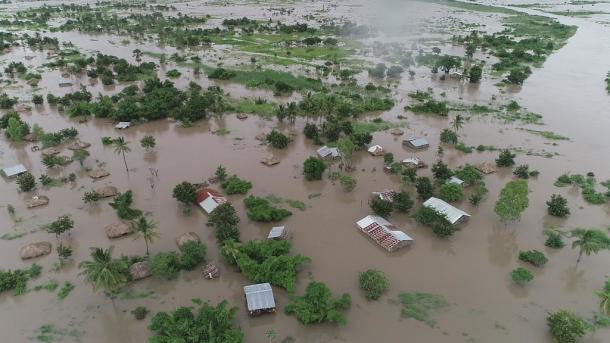
The World Meteorological Organization (WMO) has warned that cyclones Idai and Kenneth, which hit Mozambique in March and April this year, should act as “a wake-up call” to the impact of tropical cyclones, coastal flooding and intense rainfall linked to climate change. A WMO fact-finding mission sent to Mozambique recommended a package of disaster risk reduction priorities to strengthen the nation’s early-warning systems and cut the socio-economic damage from weather, climate and water-related hazards like tropical cyclones, floods and drought. Petteri Taalas, WMO secretary-general, said, “The two cyclones are a wake-up call that Mozambique needs to build resilience. Although the number of tropical cyclones globally is expected to reduce in the future, the number of most intense tropical cyclones (category 4 and 5), associated with more rainfall, will increase in a warming climate. “Future sea level rise will exacerbate the impact of storm surge on coastal regions, raising concerns about flooding from the sea, particularly for low-lying cities such as Beira.” The report from the international team of meteorologists and hydrologists, headed by WMO’s Filipe Lucio, will be presented to an international pledging conference for Mozambique scheduled for June 1, 2019, in the coastal city of Beira. The fact-finding team said that investment of nearly US$27m is needed for the meteorological and hydrological sector. This includes reconstruction, rehabilitation and modernization of infrastructure and equipment; land surveys for flood risk mapping and satellite rainfall estimation; improved database management systems; training on the latest forecasting products; improved standard operational procedures; and better communications tools. “In times of floods, Mozambicans seek safety on roofs of buildings, but the ferocity of Idai’s winds blew the roofs away,” said WMO’s Lucio, who also used to head Mozambique’s national meteorological service. “The magnitude of the cyclone, the size of the storm surge and the extent of the flooding overwhelmed years of work by authorities in Sofala to increase community resilience to floods. “It is a salutary warning about the future scale of the combined challenges from urbanization and climate change-related sea level rise and extreme weather,” he said. “This will necessitate much greater emphasis on improved land use, and urban and floodplain planning.” The fact-finding team’s visit coincided with tropical cyclone Kenneth, which made landfall on April 25, 2019, in Cabo Delgado. The WMO mission focused on Cyclone Idai, especially in terms of damage to hydro-meteorological equipment and institutional coordination and collaboration involving the meteorological, hydrological and disaster management services. However, its general conclusions are meant to inform plans and investments in strengthening the early warning system in a multi-hazard approach, and strengthening disaster risk management in the country, particularly during reconstruction to ensure building back better and the overall strengthening of resilience. To read more about the findings of the WMO mission, click here.

Previous ArticleDWD head stands for WMO presidency
Next Article International team develops instrumentation to improve short-range weather forecasts

Read Similar Stories

Climate Measurement

Regional training aims to improve flood forecasting in Central Africa

April 1, 20263 Mins Read
Early Warning Systems

European Commission sets out strategy to address growing wildfire risk

March 31, 20263 Mins Read
Climate Measurement

Global climate indicators reach record imbalance, WMO warns

March 23, 20263 Mins Read
Latest News

Northumbria University secures £4m to study Earth’s radiation belts

April 16, 2026

AI model improves real-time prediction of wildfire spread

April 16, 2026

Study identifies atmospheric trigger behind flash droughts in Puerto Rico

April 15, 2026

Receive breaking stories and features in your inbox each week, for free


Enter your email address:


Supplier Spotlights
  • Reuniwatt
Getting in Touch
  • Contact Us / Advertise
  • Meet the Editors
  • Media Pack
  • Free Weekly E-Newsletter
Our Social Channels
  • Facebook
  • LinkedIn
© 2026 UKi Media & Events a division of UKIP Media & Events Ltd
  • Cookie Policy
  • Privacy Policy
  • Terms and Conditions
  • Notice and Takedown Policy

Type above and press Enter to search. Press Esc to cancel.