


Close Menu
Meteorological Technology International
  • News
    • A-E
      • Agriculture
      • Automated Weather Stations
      • Aviation
      • Climate Measurement
      • Data
      • Developing Countries
      • Digital Applications
      • Early Warning Systems
      • Extreme Weather
    • G-P
      • Hydrology
      • Lidar
      • Lightning Detection
      • New Appointments
      • Nowcasting
      • Numerical Weather Prediction
      • Polar Weather
    • R-S
      • Radar
      • Rainfall
      • Remote Sensing
      • Renewable Energy
      • Satellites
      • Solar
      • Space Weather
      • Supercomputers
    • T-Z
      • Training
      • Transport
      • Weather Instruments
      • Wind
      • World Meteorological Organization
      • Meteorological Technology World Expo
  • Features
  • Online Magazines
    • January 2026
    • April 2025
    • January 2025
    • September 2024
    • April 2024
    • Archive Issues
    • Subscribe Free!
  • Opinion
  • Videos
  • Supplier Spotlight
  • Expo
LinkedIn X (Twitter) Facebook
  • Sign-up for Free Weekly E-Newsletter
  • Meet the Editors
  • Contact Us
  • Media Pack
LinkedIn Facebook
Subscribe
Meteorological Technology International
  • News
      • Agriculture
      • Automated Weather Stations
      • Aviation
      • Climate Measurement
      • Data
      • Developing Countries
      • Digital Applications
      • Early Warning Systems
      • Extreme Weather
      • Hydrology
      • Lidar
      • Lightning Detection
      • New Appointments
      • Nowcasting
      • Numerical Weather Prediction
      • Polar Weather
      • Radar
      • Rainfall
      • Remote Sensing
      • Renewable Energy
      • Satellites
      • Solar
      • Space Weather
      • Supercomputers
      • Training
      • Transport
      • Weather Instruments
      • Wind
      • World Meteorological Organization
      • Meteorological Technology World Expo
  • Features
  • Online Magazines
    1. January 2026
    2. September 2025
    3. April 2025
    4. January 2025
    5. September 2024
    6. April 2024
    7. January 2024
    8. September 2023
    9. April 2023
    10. Archive Issues
    11. Subscribe Free!
    Featured
    November 27, 2025

    In this Issue – January 2026

    By Hazel KingNovember 27, 2025
    Recent

    In this Issue – January 2026

    November 27, 2025

    In this Issue – September 2025

    August 11, 2025

    In this Issue – April 2025

    April 15, 2025
  • Opinion
  • Videos
  • Supplier Spotlight
  • Expo
Facebook LinkedIn
Subscribe
Meteorological Technology International
Climate Measurement

Royal Meteorological Society releases State of the Climate Report for the UK Energy Sector

Alex PackBy Alex PackOctober 23, 20253 Mins Read
Share LinkedIn Facebook Twitter Email
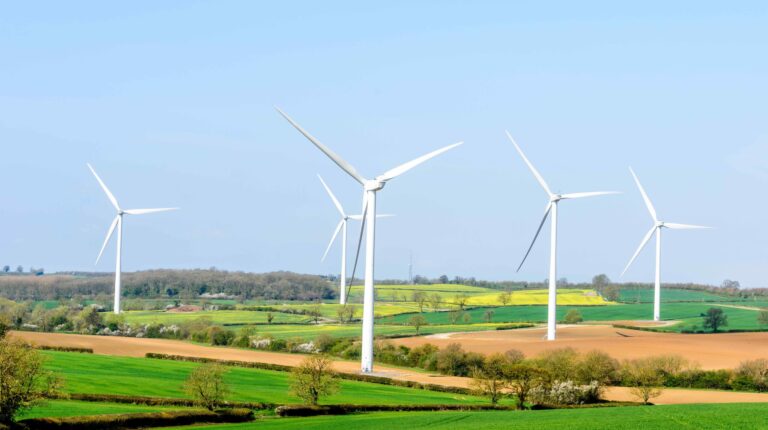
Three wind power turbines on a green field landscape
Share
LinkedIn Facebook Twitter Email

The Royal Meteorological Society has released its latest State of the Climate Report for the UK Energy Sector, supported by global infrastructure consultancy AECOM, which highlights how weather events between April 2024 and March 2025 affected electricity generation, demand and infrastructure across the UK.

The report identifies two key impacts: periods where weather conditions led to significant discrepancies between renewable generation and demand, and periods where extreme weather conditions affected energy infrastructure.

In the first instance, cold, calm and cloudy conditions were recorded during periods in November and January, leading to periods of lower-than-average wind and solar generation couple by high energy demand. This resulted in spikes in both the real-time and day-ahead electricity price as the system worked to balance generation and demand across the network. A combination of interconnection with other European networks and alternative sources of generation ensured that supplies were not disrupted.

High winds and sunny skies in August led to surplus wind and solar generation. This led to several periods where wind farms were paid to curtail their production to ensure the electricity network remained balanced.

The impact on energy infrastructure came mostly from the seven named storms the UK faced during the report period. The most destructive storms were Storm Darragh on December 6-7, 2024 (2.3 million customers disconnected in Wales and central and northern England) and Storm Éowyn on January 24, 2025 (over one million customers disconnected, mostly in Scotland and NE England), with most faults being related to damage caused by high winds or flooding.

Increases in faults from precipitation which came from extreme summer rainfall events are also noted, and two periods of high thunderstorm activity in May and September 2024 across the UK also contributed to localized outages due to lightning strikes.

The report also provides an assessment of how a potential future electricity network with increased wind and solar generation capacity would cope with these weather events. It shows there would still need to be reliance on other sources of generation beyond wind and solar to provide adequate electricity to meet demand for the periods of cool, cloudy and low-wind conditions seen in November and January.

Professor Liz Bentley FRMetS, chief executive of the Royal Meteorological Society, said, “As our changing climate makes extreme weather events more frequent, the impacts on industry, and the risks to business and society, are becoming increasingly significant. The Royal Meteorological Society leads in bridging the gap between research and the real-world application of meteorology, helping organizations make decisions grounded in evidence. We’re delighted to have been supported by AECOM on this report. Collaborations like this demonstrate how science can actively support a resilient, climate-ready economy.”

Sally Vivian, sustainability advisory growth lead, AECOM, said, “Understanding how weather events affect our energy systems is vital for building resilience in the face of a changing climate. This report will help guide the future planning and maintenance of energy infrastructure.”

You can read the full report here.

In related news, Met Office makes “huge leap forward” in space weather monitoring

Previous ArticleClimate change driving more intense wildfires, report warns
Next Article UN Secretary-General calls for rapid expansion of early warning systems at WMO Congress

Read Similar Stories

Climate Measurement

Study identifies atmospheric trigger behind flash droughts in Puerto Rico

April 15, 20263 Mins Read
Satellites

AI tool uses weather satellite data to map ocean currents in near real time

April 14, 20263 Mins Read
Climate Measurement

New tool speeds up climate model evaluation

April 13, 20262 Mins Read
Latest News

Northumbria University secures £4m to study Earth’s radiation belts

April 16, 2026

AI model improves real-time prediction of wildfire spread

April 16, 2026

Study identifies atmospheric trigger behind flash droughts in Puerto Rico

April 15, 2026

Receive breaking stories and features in your inbox each week, for free


Enter your email address:


Supplier Spotlights
  • GAMIC GmbH
Getting in Touch
  • Contact Us / Advertise
  • Meet the Editors
  • Media Pack
  • Free Weekly E-Newsletter
Our Social Channels
  • Facebook
  • LinkedIn
© 2026 UKi Media & Events a division of UKIP Media & Events Ltd
  • Cookie Policy
  • Privacy Policy
  • Terms and Conditions
  • Notice and Takedown Policy

Type above and press Enter to search. Press Esc to cancel.