


Close Menu
Meteorological Technology International
  • News
    • A-E
      • Agriculture
      • Automated Weather Stations
      • Aviation
      • Climate Measurement
      • Data
      • Developing Countries
      • Digital Applications
      • Early Warning Systems
      • Extreme Weather
    • G-P
      • Hydrology
      • Lidar
      • Lightning Detection
      • New Appointments
      • Nowcasting
      • Numerical Weather Prediction
      • Polar Weather
    • R-S
      • Radar
      • Rainfall
      • Remote Sensing
      • Renewable Energy
      • Satellites
      • Solar
      • Space Weather
      • Supercomputers
    • T-Z
      • Training
      • Transport
      • Weather Instruments
      • Wind
      • World Meteorological Organization
      • Meteorological Technology World Expo
  • Features
  • Online Magazines
    • January 2026
    • April 2025
    • January 2025
    • September 2024
    • April 2024
    • Archive Issues
    • Subscribe Free!
  • Opinion
  • Videos
  • Supplier Spotlight
  • Expo
LinkedIn X (Twitter) Facebook
  • Sign-up for Free Weekly E-Newsletter
  • Meet the Editors
  • Contact Us
  • Media Pack
LinkedIn Facebook
Subscribe
Meteorological Technology International
  • News
      • Agriculture
      • Automated Weather Stations
      • Aviation
      • Climate Measurement
      • Data
      • Developing Countries
      • Digital Applications
      • Early Warning Systems
      • Extreme Weather
      • Hydrology
      • Lidar
      • Lightning Detection
      • New Appointments
      • Nowcasting
      • Numerical Weather Prediction
      • Polar Weather
      • Radar
      • Rainfall
      • Remote Sensing
      • Renewable Energy
      • Satellites
      • Solar
      • Space Weather
      • Supercomputers
      • Training
      • Transport
      • Weather Instruments
      • Wind
      • World Meteorological Organization
      • Meteorological Technology World Expo
  • Features
  • Online Magazines
    1. January 2026
    2. September 2025
    3. April 2025
    4. January 2025
    5. September 2024
    6. April 2024
    7. January 2024
    8. September 2023
    9. April 2023
    10. Archive Issues
    11. Subscribe Free!
    Featured
    November 27, 2025

    In this Issue – January 2026

    By Hazel KingNovember 27, 2025
    Recent

    In this Issue – January 2026

    November 27, 2025

    In this Issue – September 2025

    August 11, 2025

    In this Issue – April 2025

    April 15, 2025
  • Opinion
  • Videos
  • Supplier Spotlight
  • Expo
Facebook LinkedIn
Subscribe
Meteorological Technology International
Climate Measurement

NOAA to receive US$15.3m to improve climate projections of extreme weather

Elizabeth BakerBy Elizabeth BakerOctober 14, 20243 Mins Read
Share LinkedIn Facebook Twitter Email
The Department of Commerce and NOAA have announced US$15.3m in funding for NOAA and external collaborators to provide transparent climate projection products and equitable services for the public.
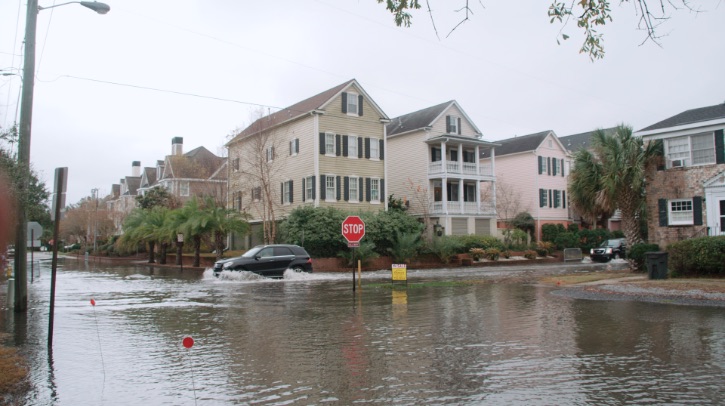
Sea level rise is contributing to increases in high-tide flooding that occurs on days even without storms in coastal communities such as Charleston, South Carolina, depicted in this photo. Credit: NOAA
Share
LinkedIn Facebook Twitter Email

The Department of Commerce and NOAA have announced US$15.3m in funding for NOAA and external collaborators to provide transparent climate projection products and equitable services for the public. This work will address increased demand by public and private sectors for reliable, long-term extreme weather climate information.

US$15.3m funding for climate projections

“This investment, made possible thanks to President Biden’s historic Inflation Reduction Act, will develop new information services to help communities better prepare for the impacts of extreme weather and climate disasters brought on by climate change – ensuring that families and communities across the country stay safe as we continue to mitigate the rising challenges from the climate crisis,” said US Secretary of Commerce Gina Raimondo.

With this funding, NOAA will support multi-decadal climate projections to provide transparent climate information for users, addressing a wide array of risks like heavy precipitation, temperature extremes, drought and coastal flooding. This information will help users understand these risks and how they are expected to change in the future.

Researchers will use NOAA’s existing resources and new cloud-based computing platforms to co-develop and disseminate these climate projections to users with the goal of creating sustainable, clear, trustworthy products to help decision makers plan for future climate conditions.

As part of this effort, researchers will work closely with decision makers, including groups focused on western water resources, heat waves, coastal flood risk, wildfire risk and extreme wind events, to develop customized climate information. The American Society of Civil Engineers is a key initial partner in the co-development of this capability.

User-focused applications

NOAA will further its ability to move climate model data from its research enterprise into user-focused applications. This work will be based on the best available science and research, including the outcomes of 13 previously Inflation Reduction Act-funded projects that are also designed to improve our understanding of how key phenomena in the climate system are changing.

“With this investment, NOAA and our partners are working directly with diverse end-user groups to co-develop climate services tailored to specific needs such as addressing coastal inundation, extreme heat, wildfires and other climate impacts,” said Jainey K Bavishi, assistant secretary of commerce for oceans and atmosphere and deputy NOAA administrator. “The climate services that will be produced by this research are crucial for community resilience across the country.”

In related news, the Department of Commerce and NOAA recently announced US$22.78m in funding to NOAA labs, programs, cooperative institutes and other partners to advance research on a wide range of water-driven climate impacts. Research topics include flood mapping and forecasting, next-generation water modeling studies, and modernizing estimates of extreme precipitation. Click here to read the full story.

Previous ArticleMet Office research could enhance long-range forecasting
Next Article Deep-learning frameworks could result in near-perfect 10-day weather forecasts, the University of Washington finds

Read Similar Stories

Extreme Weather

AI model improves real-time prediction of wildfire spread

April 16, 20263 Mins Read
Climate Measurement

Study identifies atmospheric trigger behind flash droughts in Puerto Rico

April 15, 20263 Mins Read
Satellites

AI tool uses weather satellite data to map ocean currents in near real time

April 14, 20263 Mins Read
Latest News

Northumbria University secures £4m to study Earth’s radiation belts

April 16, 2026

AI model improves real-time prediction of wildfire spread

April 16, 2026

Study identifies atmospheric trigger behind flash droughts in Puerto Rico

April 15, 2026

Receive breaking stories and features in your inbox each week, for free


Enter your email address:


Supplier Spotlights
  • Meteorage
Getting in Touch
  • Contact Us / Advertise
  • Meet the Editors
  • Media Pack
  • Free Weekly E-Newsletter
Our Social Channels
  • Facebook
  • LinkedIn
© 2026 UKi Media & Events a division of UKIP Media & Events Ltd
  • Cookie Policy
  • Privacy Policy
  • Terms and Conditions
  • Notice and Takedown Policy

Type above and press Enter to search. Press Esc to cancel.