


Close Menu
Meteorological Technology International
  • News
    • A-E
      • Agriculture
      • Automated Weather Stations
      • Aviation
      • Climate Measurement
      • Data
      • Developing Countries
      • Digital Applications
      • Early Warning Systems
      • Extreme Weather
    • G-P
      • Hydrology
      • Lidar
      • Lightning Detection
      • New Appointments
      • Nowcasting
      • Numerical Weather Prediction
      • Polar Weather
    • R-S
      • Radar
      • Rainfall
      • Remote Sensing
      • Renewable Energy
      • Satellites
      • Solar
      • Space Weather
      • Supercomputers
    • T-Z
      • Training
      • Transport
      • Weather Instruments
      • Wind
      • World Meteorological Organization
      • Meteorological Technology World Expo
  • Features
  • Online Magazines
    • January 2026
    • April 2025
    • January 2025
    • September 2024
    • April 2024
    • Archive Issues
    • Subscribe Free!
  • Opinion
  • Videos
  • Supplier Spotlight
  • Expo
LinkedIn X (Twitter) Facebook
  • Sign-up for Free Weekly E-Newsletter
  • Meet the Editors
  • Contact Us
  • Media Pack
LinkedIn Facebook
Subscribe
Meteorological Technology International
  • News
      • Agriculture
      • Automated Weather Stations
      • Aviation
      • Climate Measurement
      • Data
      • Developing Countries
      • Digital Applications
      • Early Warning Systems
      • Extreme Weather
      • Hydrology
      • Lidar
      • Lightning Detection
      • New Appointments
      • Nowcasting
      • Numerical Weather Prediction
      • Polar Weather
      • Radar
      • Rainfall
      • Remote Sensing
      • Renewable Energy
      • Satellites
      • Solar
      • Space Weather
      • Supercomputers
      • Training
      • Transport
      • Weather Instruments
      • Wind
      • World Meteorological Organization
      • Meteorological Technology World Expo
  • Features
  • Online Magazines
    1. January 2026
    2. September 2025
    3. April 2025
    4. January 2025
    5. September 2024
    6. April 2024
    7. January 2024
    8. September 2023
    9. April 2023
    10. Archive Issues
    11. Subscribe Free!
    Featured
    November 27, 2025

    In this Issue – January 2026

    By Hazel KingNovember 27, 2025
    Recent

    In this Issue – January 2026

    November 27, 2025

    In this Issue – September 2025

    August 11, 2025

    In this Issue – April 2025

    April 15, 2025
  • Opinion
  • Videos
  • Supplier Spotlight
  • Expo
Facebook LinkedIn
Subscribe
Meteorological Technology International
Climate Measurement

NOAA teams up with Google on AI

Lawrence ButcherBy Lawrence ButcherOctober 30, 20202 Mins Read
Share LinkedIn Facebook Twitter Email
Share
LinkedIn Facebook Twitter Email

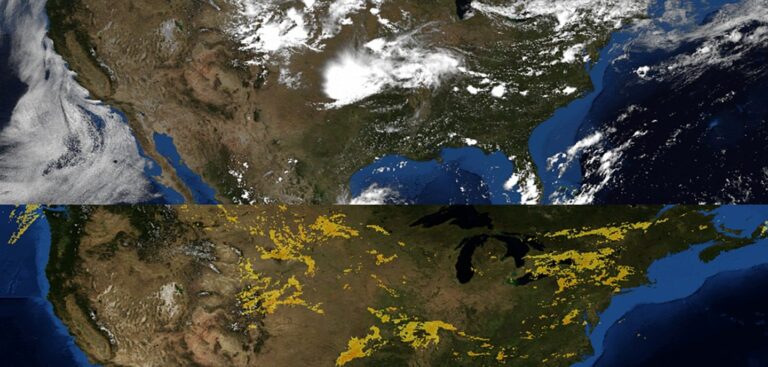
NOAA’s Satellite and Information Service (NESDIS) has signed an agreement with Google to explore the benefits of artificial intelligence (AI) and machine learning (ML) for enhancing NOAA’s use of satellite and environmental data.

Under the three-year Other Transaction Authority (OTA) agreement, NESDIS and Google say they will pilot specific AI- and ML-related projects to amplify NOAA’s environmental monitoring, weather forecasting, climate research and technical innovation.

“Strengthening NOAA’s data processing through the use of big data, artificial intelligence, machine learning and other advanced analytical approaches is critical for maintaining and enhancing the performance of our systems in support of public safety and the economy,” said Neil Jacobs, PhD, acting NOAA administrator. “I am excited to utilize new authorities granted to NOAA to pursue cutting-edge technologies that will enhance our mission and better protect lives and property.”

Research will initially focus on developing small-scale AI/ML systems. With the results yielded from those efforts, NOAA and Google Cloud say they will then focus on executing full-scale prototypes that NOAA could ultimately operationalize across its organization. If successful, this has the potential to improve NOAA’s ability to leverage the enormous volume and diversity of environmental data in order to enhance prediction, including for extreme weather events such as hurricanes and tornadoes.

“By bringing together NOAA and Google’s expertise and talent, we can both resource and jointly explore AI/ML methods to achieve a more effective use of satellite and other environmental data,” said Mike Daniels, vice president, global public sector, Google Cloud.

“Our goal is to increase scientific impact, and improve the efficiency and effectiveness of environmental and satellite data by leveraging Google Cloud’s infrastructure and AI/ML know-how. All this will help improve weather forecasting, research and unlock innovation.”

Previous ArticleKiruna Ground Station: Celebrating 30 years of space excellence
Next Article Greenland ice sheet changes could impact local ecology

Read Similar Stories

Space Weather

Northumbria University secures £4m to study Earth’s radiation belts

April 16, 20262 Mins Read
Extreme Weather

AI model improves real-time prediction of wildfire spread

April 16, 20263 Mins Read
Climate Measurement

Study identifies atmospheric trigger behind flash droughts in Puerto Rico

April 15, 20263 Mins Read
Latest News

Northumbria University secures £4m to study Earth’s radiation belts

April 16, 2026

AI model improves real-time prediction of wildfire spread

April 16, 2026

Study identifies atmospheric trigger behind flash droughts in Puerto Rico

April 15, 2026

Receive breaking stories and features in your inbox each week, for free


Enter your email address:


Supplier Spotlights
  • Adolf Thies GmbH & Co. KG
Getting in Touch
  • Contact Us / Advertise
  • Meet the Editors
  • Media Pack
  • Free Weekly E-Newsletter
Our Social Channels
  • Facebook
  • LinkedIn
© 2026 UKi Media & Events a division of UKIP Media & Events Ltd
  • Cookie Policy
  • Privacy Policy
  • Terms and Conditions
  • Notice and Takedown Policy

Type above and press Enter to search. Press Esc to cancel.