


Close Menu
Meteorological Technology International
  • News
    • A-E
      • Agriculture
      • Automated Weather Stations
      • Aviation
      • Climate Measurement
      • Data
      • Developing Countries
      • Digital Applications
      • Early Warning Systems
      • Extreme Weather
    • G-P
      • Hydrology
      • Lidar
      • Lightning Detection
      • New Appointments
      • Nowcasting
      • Numerical Weather Prediction
      • Polar Weather
    • R-S
      • Radar
      • Rainfall
      • Remote Sensing
      • Renewable Energy
      • Satellites
      • Solar
      • Space Weather
      • Supercomputers
    • T-Z
      • Training
      • Transport
      • Weather Instruments
      • Wind
      • World Meteorological Organization
      • Meteorological Technology World Expo
  • Features
  • Online Magazines
    • January 2026
    • April 2025
    • January 2025
    • September 2024
    • April 2024
    • Archive Issues
    • Subscribe Free!
  • Opinion
  • Videos
  • Supplier Spotlight
  • Expo
LinkedIn X (Twitter) Facebook
  • Sign-up for Free Weekly E-Newsletter
  • Meet the Editors
  • Contact Us
  • Media Pack
LinkedIn Facebook
Subscribe
Meteorological Technology International
  • News
      • Agriculture
      • Automated Weather Stations
      • Aviation
      • Climate Measurement
      • Data
      • Developing Countries
      • Digital Applications
      • Early Warning Systems
      • Extreme Weather
      • Hydrology
      • Lidar
      • Lightning Detection
      • New Appointments
      • Nowcasting
      • Numerical Weather Prediction
      • Polar Weather
      • Radar
      • Rainfall
      • Remote Sensing
      • Renewable Energy
      • Satellites
      • Solar
      • Space Weather
      • Supercomputers
      • Training
      • Transport
      • Weather Instruments
      • Wind
      • World Meteorological Organization
      • Meteorological Technology World Expo
  • Features
  • Online Magazines
    1. January 2026
    2. September 2025
    3. April 2025
    4. January 2025
    5. September 2024
    6. April 2024
    7. January 2024
    8. September 2023
    9. April 2023
    10. Archive Issues
    11. Subscribe Free!
    Featured
    November 27, 2025

    In this Issue – January 2026

    By Hazel KingNovember 27, 2025
    Recent

    In this Issue – January 2026

    November 27, 2025

    In this Issue – September 2025

    August 11, 2025

    In this Issue – April 2025

    April 15, 2025
  • Opinion
  • Videos
  • Supplier Spotlight
  • Expo
Facebook LinkedIn
Subscribe
Meteorological Technology International
Weather Instruments

Vaisala launches robust ultrasonic wind sensor for wind turbines and maritime applications

Elizabeth BakerBy Elizabeth BakerDecember 9, 20243 Mins Read
Share LinkedIn Facebook Twitter Email
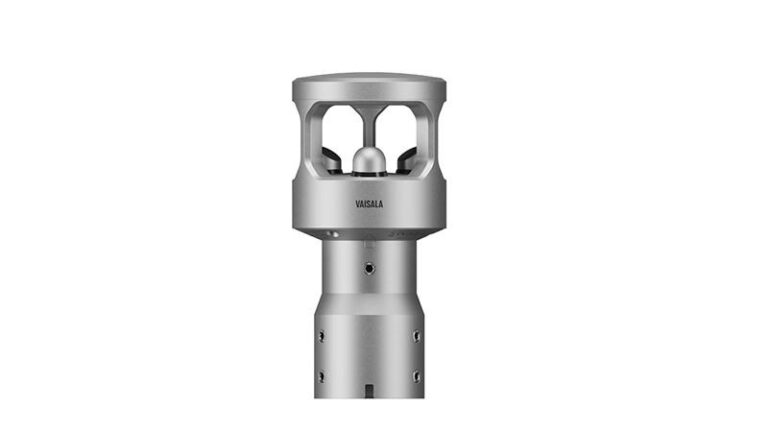
Vaisala has launched an ultrasonic wind sensor, which has been designed for optimized wind turbine and maritime performance.
Share
LinkedIn Facebook Twitter Email

Vaisala has launched an ultrasonic wind sensor, designed for optimized wind turbine and maritime performance.

Ultrasonic wind technology

Engineered to withstand the challenges and wide range of conditions in both wind energy and maritime applications, the robust Vaisala Ultrasonic Wind Sensor WM80 brings “accurate wind information” to wind turbine control, offshore vessel dynamic positioning and navigation systems, enhancing performance and safety.

Vaisala’s WindCap sensor technology uses three transducers, capturing 50% more wind signal compared to conventional ultrasonic technologies, to maintain measurement accuracy and reliability. The rugged, robust technology withstands extreme conditions while its compact design enables it to be installed in tight spaces. The fully heated anemometer ensures stable performance, even in arctic environments.

The modular sensor design, together with the easy-to-use alignment tools, ensures that the sensor is aligned. Its wind measurements also help maritime vessels improve dynamic positioning and navigational safety.

Dependable data

The Vaisala WM80 uses a novel reflector design (patent pending) that focuses the ultrasonic signal to the transducers and maintains focus despite changing wind speeds up to 90m/s. This ensures uninterrupted and precise wind speed and direction measurements, even in harsh onshore and offshore environments.

Developed specifically for difficult conditions – extreme heat, icing conditions, high winds, precipitation, vibration and shock – the WM80 incorporates corrosion-resistant, anodized marine-grade aluminum in its compact form-factor.

Additionally, the sensor’s design, with a push-pull connector and alignment tools, is intended to simplify setup, reducing installation time and providing a stable, secure connection. With no moving parts and no need for calibration, the sensor also remains free from the limitations of mechanical wind sensors, facilitating long-term, hassle-free operation.

“Designed to enhance both safety and performance, our new ultrasonic wind sensor provides real-time wind information, helping to maximize operational windows and strengthen efficiencies,” said Mikko Nikkanen, head of maritime, weather and environment at Vaisala.

“In dynamic positioning applications – like stabilizing vessels during crew transfers or lifting operations – dependable wind data reduces operational risks and improves safety. For navigation, accurate and continuous wind data supports decision making for potential route adjustments.”

“Leaning on insights from multiple decades of experience in professional wind measurement and wind turbine technology, we understand the challenges of meeting the demanding conditions of modern wind farms,” said Matthieu Boquet, head of wind operations at Vaisala.

“This innovative, robust and compact sensor delivers highly reliable data for turbine control, helping to secure maximum power production and seamless operations. Further value creation and cost reduction can be gained when used in combination with a Nacelle-mounted lidar.”

In related news, Vaisala recently unveiled new multi-GNSS support and message authentication features designed to enhance the operational efficiency, data availability and trustworthiness of radiosonde soundings. Click here to read the full story.

Previous ArticleVIDEO: Stevens Water Monitoring Systems’ sensors optimize crop yields and assess flood risks
Next Article EUMETSAT’s first Meteosat Third Generation satellite becomes operational

Read Similar Stories

Climate Measurement

China inaugurates 27th national climate observatory in Hebei

April 9, 20262 Mins Read
Solar

Mauna Loa Solar Observatory reopens to support Artemis II mission

April 8, 20262 Mins Read
Data

Bureau of Meteorology to install temporary weather radar to restore network coverage in Wyndham, Western Australia

March 20, 20262 Mins Read
Latest News

Northumbria University secures £4m to study Earth’s radiation belts

April 16, 2026

AI model improves real-time prediction of wildfire spread

April 16, 2026

Study identifies atmospheric trigger behind flash droughts in Puerto Rico

April 15, 2026

Receive breaking stories and features in your inbox each week, for free


Enter your email address:


Supplier Spotlights
  • Sommer GmbH
Getting in Touch
  • Contact Us / Advertise
  • Meet the Editors
  • Media Pack
  • Free Weekly E-Newsletter
Our Social Channels
  • Facebook
  • LinkedIn
© 2026 UKi Media & Events a division of UKIP Media & Events Ltd
  • Cookie Policy
  • Privacy Policy
  • Terms and Conditions
  • Notice and Takedown Policy

Type above and press Enter to search. Press Esc to cancel.