

Close Menu
Meteorological Technology International
  • News
    • A-E
      • Agriculture
      • Automated Weather Stations
      • Aviation
      • Climate Measurement
      • Data
      • Developing Countries
      • Digital Applications
      • Early Warning Systems
      • Extreme Weather
    • G-P
      • Hydrology
      • Lidar
      • Lightning Detection
      • New Appointments
      • Nowcasting
      • Numerical Weather Prediction
      • Polar Weather
    • R-S
      • Radar
      • Rainfall
      • Remote Sensing
      • Renewable Energy
      • Satellites
      • Solar
      • Space Weather
      • Supercomputers
    • T-Z
      • Training
      • Transport
      • Weather Instruments
      • Wind
      • World Meteorological Organization
      • Meteorological Technology World Expo
  • Features
  • Online Magazines
    • January 2026
    • April 2025
    • January 2025
    • September 2024
    • April 2024
    • Archive Issues
    • Subscribe Free!
  • Opinion
  • Videos
  • Supplier Spotlight
  • Expo
LinkedIn X (Twitter) Facebook
  • Sign-up for Free Weekly E-Newsletter
  • Meet the Editors
  • Contact Us
  • Media Pack
LinkedIn Facebook
Subscribe
Meteorological Technology International
  • News
      • Agriculture
      • Automated Weather Stations
      • Aviation
      • Climate Measurement
      • Data
      • Developing Countries
      • Digital Applications
      • Early Warning Systems
      • Extreme Weather
      • Hydrology
      • Lidar
      • Lightning Detection
      • New Appointments
      • Nowcasting
      • Numerical Weather Prediction
      • Polar Weather
      • Radar
      • Rainfall
      • Remote Sensing
      • Renewable Energy
      • Satellites
      • Solar
      • Space Weather
      • Supercomputers
      • Training
      • Transport
      • Weather Instruments
      • Wind
      • World Meteorological Organization
      • Meteorological Technology World Expo
  • Features
  • Online Magazines
    1. January 2026
    2. September 2025
    3. April 2025
    4. January 2025
    5. September 2024
    6. April 2024
    7. January 2024
    8. September 2023
    9. April 2023
    10. Archive Issues
    11. Subscribe Free!
    Featured
    November 27, 2025

    In this Issue – January 2026

    By Hazel KingNovember 27, 2025
    Recent

    In this Issue – January 2026

    November 27, 2025

    In this Issue – September 2025

    August 11, 2025

    In this Issue – April 2025

    April 15, 2025
  • Opinion
  • Videos
  • Supplier Spotlight
  • Expo
Facebook LinkedIn
Subscribe
Meteorological Technology International
Wind

High wind areas make bad locations for wind farms, says researchers

Paul WillisBy Paul WillisOctober 1, 20192 Mins Read
Share LinkedIn Facebook Twitter Email
Share
LinkedIn Facebook Twitter Email

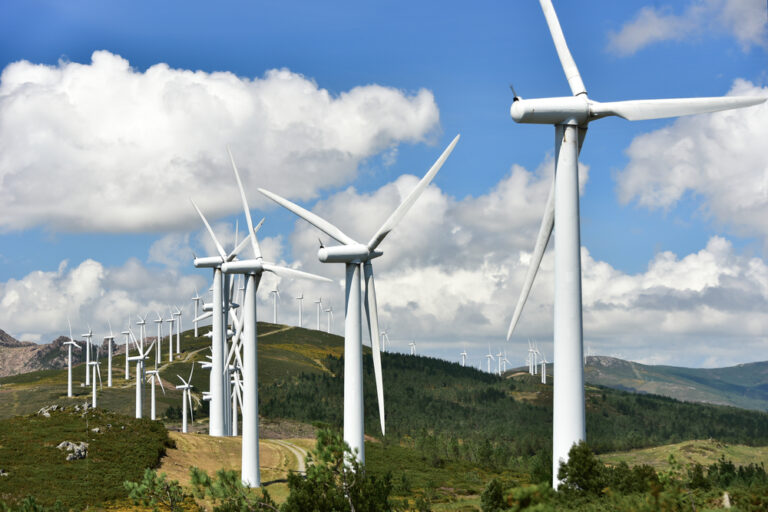
Researchers at Penn State University in Pennsylvania have discovered that when it comes to wind energy, it is a matter of less is more. They created a computer model that predicts optimum locations for wind farms and found that wind speeds in locations prone to high winds are unpredictable and therefore bad places to locate wind farms.  

The research team created their model by analyzing historical data from the US National Center for Atmospheric Research. They looked specifically at errors in wind-farm electrical-production predictions across the USA going back up to two years. 

“We observed that locations with higher average wind speed are associated with larger degrees of forecast uncertainty which increases the difficulty to predict wind speed at these locations,” the researchers wrote in their research report published online in Renewable Energy.

They suggested instead that areas with lower but more consistent wind speeds were better potential sites for wind farms. 

The model cannot say for certain whether an area will provide enough wind for renewable energy, but instead it produces a probability curve for wind production that companies can use in their decision-making process, according to the researchers. 

The model also helps forecast wind velocity 24-hours into the future, an important factor for energy suppliers who want to know energy outputs ahead of time. 

“Electricity suppliers need to know how much power is available a day ahead,” said Guido Cervone, Penn State professor of geography, and meteorology and atmospheric science. “They need to have reliable sources because they can’t have a blackout. They also do not want to buy more electricity on the spot-market because same-day purchases are more expensive.”

Previous ArticleShip sets sail for year-long climate study in largest Arctic expedition in history
Next Article New underwater mapping technique boosts understanding of quake and tsunami triggers

Read Similar Stories

Weather Instruments

FT Technologies’ wind sensor deployed in storm-chasing research

February 11, 20263 Mins Read
Lidar

DNV completes IEC classification of ZX 300e wind lidar

February 6, 20262 Mins Read
Weather Instruments

Vaisala unveils new wind lidar with improved performance

September 10, 20251 Min Read
Latest News

Northumbria University secures £4m to study Earth’s radiation belts

April 16, 2026

AI model improves real-time prediction of wildfire spread

April 16, 2026

Study identifies atmospheric trigger behind flash droughts in Puerto Rico

April 15, 2026

Receive breaking stories and features in your inbox each week, for free


Enter your email address:


Supplier Spotlights
  • Adolf Thies GmbH & Co. KG
Getting in Touch
  • Contact Us / Advertise
  • Meet the Editors
  • Media Pack
  • Free Weekly E-Newsletter
Our Social Channels
  • Facebook
  • LinkedIn
© 2026 UKi Media & Events a division of UKIP Media & Events Ltd
  • Cookie Policy
  • Privacy Policy
  • Terms and Conditions
  • Notice and Takedown Policy

Type above and press Enter to search. Press Esc to cancel.