


Close Menu
Meteorological Technology International
  • News
    • A-E
      • Agriculture
      • Automated Weather Stations
      • Aviation
      • Climate Measurement
      • Data
      • Developing Countries
      • Digital Applications
      • Early Warning Systems
      • Extreme Weather
    • G-P
      • Hydrology
      • Lidar
      • Lightning Detection
      • New Appointments
      • Nowcasting
      • Numerical Weather Prediction
      • Polar Weather
    • R-S
      • Radar
      • Rainfall
      • Remote Sensing
      • Renewable Energy
      • Satellites
      • Solar
      • Space Weather
      • Supercomputers
    • T-Z
      • Training
      • Transport
      • Weather Instruments
      • Wind
      • World Meteorological Organization
      • Meteorological Technology World Expo
  • Features
  • Online Magazines
    • January 2026
    • April 2025
    • January 2025
    • September 2024
    • April 2024
    • Archive Issues
    • Subscribe Free!
  • Opinion
  • Videos
  • Supplier Spotlight
  • Expo
LinkedIn X (Twitter) Facebook
  • Sign-up for Free Weekly E-Newsletter
  • Meet the Editors
  • Contact Us
  • Media Pack
LinkedIn Facebook
Subscribe
Meteorological Technology International
  • News
      • Agriculture
      • Automated Weather Stations
      • Aviation
      • Climate Measurement
      • Data
      • Developing Countries
      • Digital Applications
      • Early Warning Systems
      • Extreme Weather
      • Hydrology
      • Lidar
      • Lightning Detection
      • New Appointments
      • Nowcasting
      • Numerical Weather Prediction
      • Polar Weather
      • Radar
      • Rainfall
      • Remote Sensing
      • Renewable Energy
      • Satellites
      • Solar
      • Space Weather
      • Supercomputers
      • Training
      • Transport
      • Weather Instruments
      • Wind
      • World Meteorological Organization
      • Meteorological Technology World Expo
  • Features
  • Online Magazines
    1. January 2026
    2. September 2025
    3. April 2025
    4. January 2025
    5. September 2024
    6. April 2024
    7. January 2024
    8. September 2023
    9. April 2023
    10. Archive Issues
    11. Subscribe Free!
    Featured
    November 27, 2025

    In this Issue – January 2026

    By Hazel KingNovember 27, 2025
    Recent

    In this Issue – January 2026

    November 27, 2025

    In this Issue – September 2025

    August 11, 2025

    In this Issue – April 2025

    April 15, 2025
  • Opinion
  • Videos
  • Supplier Spotlight
  • Expo
Facebook LinkedIn
Subscribe
Meteorological Technology International
Satellites

New satellite set to improve forecasting of severe storms

Alex PackBy Alex PackSeptember 24, 20253 Mins Read
Share LinkedIn Facebook Twitter Email
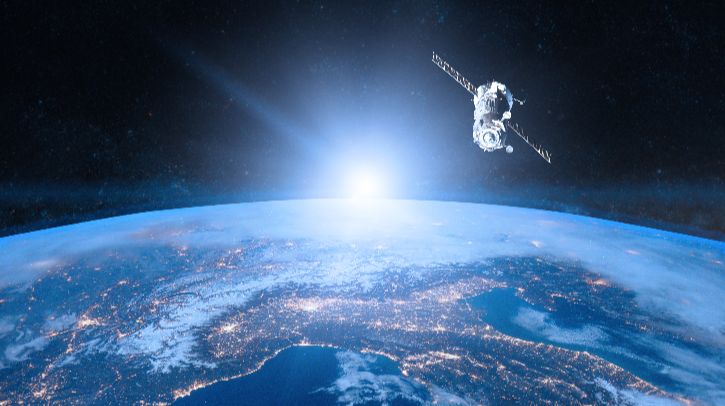
New satellite set to improve forecasting of severe storms.
Share
LinkedIn Facebook Twitter Email

A satellite mission developed by a scientist at the University of Reading is set to improve forecasts of severe storms and hazardous weather, the university says.

WIVERN – short for Wind Velocity Radar Nephoscope – was selected on Tuesday as the European Space Agency’s 11th Earth Explorer Mission. It will provide the first direct measurements of winds within clouds and storms – filling a major gap in current weather observations.

The satellite’s concept was led by Prof. Anthony Illingworth, professor of atmospheric physics at the University of Reading. Prof. Illingworth also led the successful EarthCARE satellite mission launched in 2024. The adoption of WIVERN means he is the first scientist to have two Earth Explorer satellites adopted, according to the university.

“There’s a gap in our understanding of winds within clouds and storms. WIVERN will change that. For the first time, we’ll see how winds behave inside these systems, which helps us predict when they’ll become dangerous,” said Prof. Illingworth.
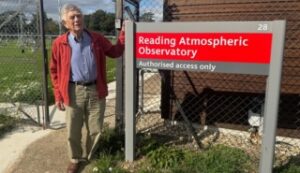
Prof. Anthony Illingworth. Credit: University of Reading.
Prof. Anthony Illingworth. Credit: University of Reading

“The satellites I have helped develop will help to keep people safe from extreme weather. EarthCARE and WIVERN will work together to give us a complete picture of what’s happening inside storms and clouds. This means we can give people better warnings about dangerous weather, whether that’s a hurricane heading for the coast or flash floods from heavy rainfall,” he added.

The mission will scan an 800km swath of Earth’s surface using a dual-polarization, conically scanning, 94GHz Doppler radar. This will improve forecasts of hurricanes, thunderstorms and heavy rainfall by showing exactly how winds move within weather systems.

The satellite will also measure rain, snow and ice, contributing data to climate records and helping scientists understand how weather patterns are changing.

WIVERN’s journey began in 2020, when ESA launched a call for ideas for bold new missions that could push the boundaries of Earth science and satellite technology. From 15 proposals, four were shortlisted for detailed study. In 2023, that shortlist was narrowed to two contenders before WIVERN was selected.

ESA’s director of Earth observation programs, Simonetta Cheli, said, “After a rigorous selection process, we are excited to welcome WIVERN to the Earth Explorer family, and we are eager to see the groundbreaking science it will deliver.

“Earth Explorer missions have consistently surpassed expectations, using breakthrough technology to deliver vital insights into our planet – from climate dynamics to ice melt and gravity.”

In related news, NOAA awards $24.3m contract to PlanetiQ for satellite weather data

Previous ArticleNOAA awards $24.3m contract to PlanetiQ for satellite weather data
Next Article Lift-off for NASA and NOAA space weather mission

Read Similar Stories

Space Weather

Northumbria University secures £4m to study Earth’s radiation belts

April 16, 20262 Mins Read
Extreme Weather

AI model improves real-time prediction of wildfire spread

April 16, 20263 Mins Read
Climate Measurement

Study identifies atmospheric trigger behind flash droughts in Puerto Rico

April 15, 20263 Mins Read
Latest News

Northumbria University secures £4m to study Earth’s radiation belts

April 16, 2026

AI model improves real-time prediction of wildfire spread

April 16, 2026

Study identifies atmospheric trigger behind flash droughts in Puerto Rico

April 15, 2026

Receive breaking stories and features in your inbox each week, for free


Enter your email address:


Supplier Spotlights
  • Synoptic Data PBC
Getting in Touch
  • Contact Us / Advertise
  • Meet the Editors
  • Media Pack
  • Free Weekly E-Newsletter
Our Social Channels
  • Facebook
  • LinkedIn
© 2026 UKi Media & Events a division of UKIP Media & Events Ltd
  • Cookie Policy
  • Privacy Policy
  • Terms and Conditions
  • Notice and Takedown Policy

Type above and press Enter to search. Press Esc to cancel.