


Close Menu
Meteorological Technology International
  • News
    • A-E
      • Agriculture
      • Automated Weather Stations
      • Aviation
      • Climate Measurement
      • Data
      • Developing Countries
      • Digital Applications
      • Early Warning Systems
      • Extreme Weather
    • G-P
      • Hydrology
      • Lidar
      • Lightning Detection
      • New Appointments
      • Nowcasting
      • Numerical Weather Prediction
      • Polar Weather
    • R-S
      • Radar
      • Rainfall
      • Remote Sensing
      • Renewable Energy
      • Satellites
      • Solar
      • Space Weather
      • Supercomputers
    • T-Z
      • Training
      • Transport
      • Weather Instruments
      • Wind
      • World Meteorological Organization
      • Meteorological Technology World Expo
  • Features
  • Online Magazines
    • January 2026
    • April 2025
    • January 2025
    • September 2024
    • April 2024
    • Archive Issues
    • Subscribe Free!
  • Opinion
  • Videos
  • Supplier Spotlight
  • Expo
LinkedIn X (Twitter) Facebook
  • Sign-up for Free Weekly E-Newsletter
  • Meet the Editors
  • Contact Us
  • Media Pack
LinkedIn Facebook
Subscribe
Meteorological Technology International
  • News
      • Agriculture
      • Automated Weather Stations
      • Aviation
      • Climate Measurement
      • Data
      • Developing Countries
      • Digital Applications
      • Early Warning Systems
      • Extreme Weather
      • Hydrology
      • Lidar
      • Lightning Detection
      • New Appointments
      • Nowcasting
      • Numerical Weather Prediction
      • Polar Weather
      • Radar
      • Rainfall
      • Remote Sensing
      • Renewable Energy
      • Satellites
      • Solar
      • Space Weather
      • Supercomputers
      • Training
      • Transport
      • Weather Instruments
      • Wind
      • World Meteorological Organization
      • Meteorological Technology World Expo
  • Features
  • Online Magazines
    1. January 2026
    2. September 2025
    3. April 2025
    4. January 2025
    5. September 2024
    6. April 2024
    7. January 2024
    8. September 2023
    9. April 2023
    10. Archive Issues
    11. Subscribe Free!
    Featured
    November 27, 2025

    In this Issue – January 2026

    By Hazel KingNovember 27, 2025
    Recent

    In this Issue – January 2026

    November 27, 2025

    In this Issue – September 2025

    August 11, 2025

    In this Issue – April 2025

    April 15, 2025
  • Opinion
  • Videos
  • Supplier Spotlight
  • Expo
Facebook LinkedIn
Subscribe
Meteorological Technology International
Radar

Mayotte to install its first Météo-France weather radar

Elizabeth BakerBy Elizabeth BakerApril 22, 20253 Mins Read
Share LinkedIn Facebook Twitter Email
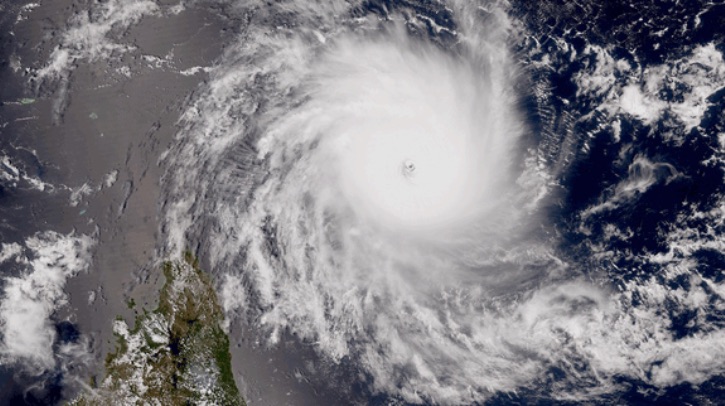
The French department of Mayotte will install its first Météo-France radar.
Credit: Météo-France
Share
LinkedIn Facebook Twitter Email

The French department of Mayotte is to install its first Météo-France radar. This system is projected to refine existing data from the satellite network and rain gauges and better anticipate extreme events. Construction of the forecasting tool will be completed by the summer of 2027, with major work and preliminary studies launched in 2025.

Radar operations

The installation of a radar in Mayotte is intended to improve the anticipation of extreme events, and therefore the prevention of risks associated with heavy rains, whether related to tropical cyclones or smaller-scale phenomena. It will be able to identify precipitation within a radius of 250km around the island, and quantify it up to 100km, with the resolution of a kilometer. It will also allow better management of the water resource. 

The data from the radar will be directly used by Mayotte forecasters, and by the Météo-France teams located in Réunion, who are in charge of cyclonic monitoring for the entire southwest Indian Ocean basin, as well as by the National Forecasting Centre in Toulouse. In the longer term, forecasters will be able to deploy relevant warning services regarding heavy rains.

Mayotte was previously the only French department that was not covered by radar information. The installation of the new equipment has been made possible by the mobilization of all state services. The radar will complement the existing forecasting system and a network of rain gauges already on the ground.

Mayotte’s local weather challenges

The territory of Mayotte is exposed to dynamic tropical phenomena (monsoon flows, tropical cyclones, etc), often accompanied by intense rains. In December 2024, tropical cyclone Chido hit the island with devastating consequences for the population and the territory. Less than a month later, in January 2025, Tropical Storm Dikeledi brought torrential rains to the south of the island. In the wet season, thunderstorms can also be intense (but more localized) and generate a lot of damage.

According to Météo-France, the radar will make a major contribution to the safety of people and property in the archipelago as it will better detect approaching precipitation, better target the impacted sectors and better define the chronology of episodes of intense rains. It is also expected to be a valuable tool to support the management of water resources.

Agnès Pannier-Runacher, Minister of Ecological Transition, Biodiversity, Forestry, Sea and Fisheries, said, “The installation of this new radar will make it possible to better protect the Mahoraises and the Mahorais. Mayotte was the only French department not to have radar coverage; I wanted to complete this project essential to the safety of the inhabitants at all costs. On-site, I saw the relief and satisfaction of the teams who will now be better equipped to anticipate climatic hazards. ”

In related news, Météo-France recently launched the fifth in a series of meteorological buoys on the western front of the Mediterranean, northwest of Corsica. This deployment forms part of the organization’s plans to strengthen its sea observation system, which began in June 2023 with the deployment of the first of the five anchored meteorological buoys, and is intended to improve the local ability to anticipate extreme weather before it arrives on land. Click here to read the full interview.

Previous ArticleUniversity of Houston unveils hydrology model to evaluate extreme weather
Next Article New Zealand’s weather forecasting services to merge

Read Similar Stories

Climate Measurement

The Weather Company updates Storm Radar app with AI features

April 1, 20262 Mins Read
Aviation

Met Office launches platform to support needs of evolving aviation industry

March 24, 20262 Mins Read
Data

Bureau of Meteorology to install temporary weather radar to restore network coverage in Wyndham, Western Australia

March 20, 20262 Mins Read
Latest News

Northumbria University secures £4m to study Earth’s radiation belts

April 16, 2026

AI model improves real-time prediction of wildfire spread

April 16, 2026

Study identifies atmospheric trigger behind flash droughts in Puerto Rico

April 15, 2026

Receive breaking stories and features in your inbox each week, for free


Enter your email address:


Supplier Spotlights
  • Baron
Getting in Touch
  • Contact Us / Advertise
  • Meet the Editors
  • Media Pack
  • Free Weekly E-Newsletter
Our Social Channels
  • Facebook
  • LinkedIn
© 2026 UKi Media & Events a division of UKIP Media & Events Ltd
  • Cookie Policy
  • Privacy Policy
  • Terms and Conditions
  • Notice and Takedown Policy

Type above and press Enter to search. Press Esc to cancel.