

Close Menu
Meteorological Technology International
  • News
    • A-E
      • Agriculture
      • Automated Weather Stations
      • Aviation
      • Climate Measurement
      • Data
      • Developing Countries
      • Digital Applications
      • Early Warning Systems
      • Extreme Weather
    • G-P
      • Hydrology
      • Lidar
      • Lightning Detection
      • New Appointments
      • Nowcasting
      • Numerical Weather Prediction
      • Polar Weather
    • R-S
      • Radar
      • Rainfall
      • Remote Sensing
      • Renewable Energy
      • Satellites
      • Solar
      • Space Weather
      • Supercomputers
    • T-Z
      • Training
      • Transport
      • Weather Instruments
      • Wind
      • World Meteorological Organization
      • Meteorological Technology World Expo
  • Features
  • Online Magazines
    • January 2026
    • April 2025
    • January 2025
    • September 2024
    • April 2024
    • Archive Issues
    • Subscribe Free!
  • Opinion
  • Videos
  • Supplier Spotlight
  • Expo
LinkedIn X (Twitter) Facebook
  • Sign-up for Free Weekly E-Newsletter
  • Meet the Editors
  • Contact Us
  • Media Pack
LinkedIn Facebook
Subscribe
Meteorological Technology International
  • News
      • Agriculture
      • Automated Weather Stations
      • Aviation
      • Climate Measurement
      • Data
      • Developing Countries
      • Digital Applications
      • Early Warning Systems
      • Extreme Weather
      • Hydrology
      • Lidar
      • Lightning Detection
      • New Appointments
      • Nowcasting
      • Numerical Weather Prediction
      • Polar Weather
      • Radar
      • Rainfall
      • Remote Sensing
      • Renewable Energy
      • Satellites
      • Solar
      • Space Weather
      • Supercomputers
      • Training
      • Transport
      • Weather Instruments
      • Wind
      • World Meteorological Organization
      • Meteorological Technology World Expo
  • Features
  • Online Magazines
    1. January 2026
    2. September 2025
    3. April 2025
    4. January 2025
    5. September 2024
    6. April 2024
    7. January 2024
    8. September 2023
    9. April 2023
    10. Archive Issues
    11. Subscribe Free!
    Featured
    November 27, 2025

    In this Issue – January 2026

    By Hazel KingNovember 27, 2025
    Recent

    In this Issue – January 2026

    November 27, 2025

    In this Issue – September 2025

    August 11, 2025

    In this Issue – April 2025

    April 15, 2025
  • Opinion
  • Videos
  • Supplier Spotlight
  • Expo
Facebook LinkedIn
Subscribe
Meteorological Technology International
Climate Measurement

NASA finds Arctic methane hotspots

James MuirBy James MuirFebruary 20, 20202 Mins Read
Share LinkedIn Facebook Twitter Email
Share
LinkedIn Facebook Twitter Email

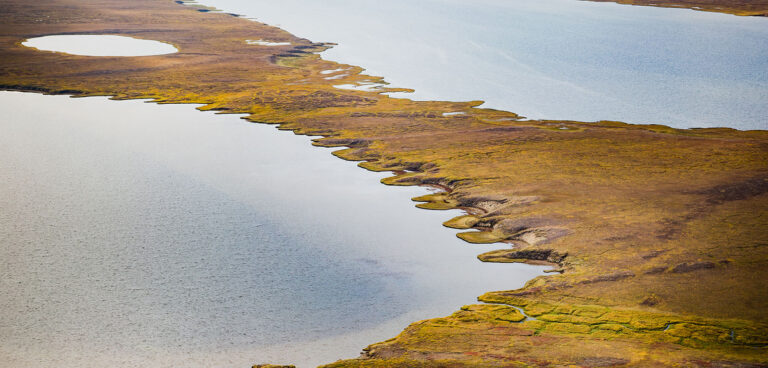
NASA scientists have used planes equipped with specialist infrared imaging to study 20,000 square miles of Arctic landscape to detect methane hotspots.

Rising temperatures are causing permafrost to thaw, releasing methane and other greenhouse gases into the atmosphere, but scientists had to find a way of measuring it.

Scientists from NASA’s Arctic Boreal Vulnerability Experiment used planes equipped with the Airborne Visible Infrared Imaging Spectrometer – Next Generation to fly over the remote Arctic landscape to detect the hotspots.

Areas exceeding 3,000 parts per million of methane between the airborne sensor and the ground are classed as hotspots, and two million were detected.

In the paper, Airborne Mapping Reveals Emergent Power Law of Arctic Methane Emissions, it was also found that hotspots were mostly concentrated about 44 yards (40m) from standing bodies of water.

After 44 yards, the presence of hotspots becomes sparser and drop off almost completely about 330 yards from the water source.

Scientists do not know why 44 is the magic number but Clayton Elder of NASA’s Jet Propulsion Laboratory in Pasadena, California, says ground field studies at an Alaskan lake with a methane hotspot showed abrupt thawing of permafrost right underneath the hotspot.

He said: “It’s that additional contribution of permafrost carbon – carbon that’s been frozen for thousands of years – that’s essentially contributing food for the microbes to chew up and turn into methane as the permafrost continues to thaw.”

Scientists say that identifying the likely causes of the distribution of methane hotspots will help them more accurately calculate greenhouse gas emissions across areas where observations were previously unavailable.

The knowledge will improve how Arctic land models represent methane dynamics and forecasting the region’s impact on global climate and climate change’s impact on the Arctic.

Elder said, “Our study marks the first time the instrument has been used to find hotspots where the locations of possible permafrost-related emissions are far less understood.”

Previous ArticleBaron adds user-defined alerts to Threat Net
Next Article USA on track to experience warmest ever winter

Read Similar Stories

Climate Measurement

Study identifies atmospheric trigger behind flash droughts in Puerto Rico

April 15, 20263 Mins Read
Satellites

AI tool uses weather satellite data to map ocean currents in near real time

April 14, 20263 Mins Read
Climate Measurement

New tool speeds up climate model evaluation

April 13, 20262 Mins Read
Latest News

Northumbria University secures £4m to study Earth’s radiation belts

April 16, 2026

AI model improves real-time prediction of wildfire spread

April 16, 2026

Study identifies atmospheric trigger behind flash droughts in Puerto Rico

April 15, 2026

Receive breaking stories and features in your inbox each week, for free


Enter your email address:


Supplier Spotlights
  • ZX Lidars
Getting in Touch
  • Contact Us / Advertise
  • Meet the Editors
  • Media Pack
  • Free Weekly E-Newsletter
Our Social Channels
  • Facebook
  • LinkedIn
© 2026 UKi Media & Events a division of UKIP Media & Events Ltd
  • Cookie Policy
  • Privacy Policy
  • Terms and Conditions
  • Notice and Takedown Policy

Type above and press Enter to search. Press Esc to cancel.