

Close Menu
Meteorological Technology International
  • News
    • A-E
      • Agriculture
      • Automated Weather Stations
      • Aviation
      • Climate Measurement
      • Data
      • Developing Countries
      • Digital Applications
      • Early Warning Systems
      • Extreme Weather
    • G-P
      • Hydrology
      • Lidar
      • Lightning Detection
      • New Appointments
      • Nowcasting
      • Numerical Weather Prediction
      • Polar Weather
    • R-S
      • Radar
      • Rainfall
      • Remote Sensing
      • Renewable Energy
      • Satellites
      • Solar
      • Space Weather
      • Supercomputers
    • T-Z
      • Training
      • Transport
      • Weather Instruments
      • Wind
      • World Meteorological Organization
      • Meteorological Technology World Expo
  • Features
  • Online Magazines
    • January 2026
    • April 2025
    • January 2025
    • September 2024
    • April 2024
    • Archive Issues
    • Subscribe Free!
  • Opinion
  • Videos
  • Supplier Spotlight
  • Expo
LinkedIn X (Twitter) Facebook
  • Sign-up for Free Weekly E-Newsletter
  • Meet the Editors
  • Contact Us
  • Media Pack
LinkedIn Facebook
Subscribe
Meteorological Technology International
  • News
      • Agriculture
      • Automated Weather Stations
      • Aviation
      • Climate Measurement
      • Data
      • Developing Countries
      • Digital Applications
      • Early Warning Systems
      • Extreme Weather
      • Hydrology
      • Lidar
      • Lightning Detection
      • New Appointments
      • Nowcasting
      • Numerical Weather Prediction
      • Polar Weather
      • Radar
      • Rainfall
      • Remote Sensing
      • Renewable Energy
      • Satellites
      • Solar
      • Space Weather
      • Supercomputers
      • Training
      • Transport
      • Weather Instruments
      • Wind
      • World Meteorological Organization
      • Meteorological Technology World Expo
  • Features
  • Online Magazines
    1. January 2026
    2. September 2025
    3. April 2025
    4. January 2025
    5. September 2024
    6. April 2024
    7. January 2024
    8. September 2023
    9. April 2023
    10. Archive Issues
    11. Subscribe Free!
    Featured
    November 27, 2025

    In this Issue – January 2026

    By Hazel KingNovember 27, 2025
    Recent

    In this Issue – January 2026

    November 27, 2025

    In this Issue – September 2025

    August 11, 2025

    In this Issue – April 2025

    April 15, 2025
  • Opinion
  • Videos
  • Supplier Spotlight
  • Expo
Facebook LinkedIn
Subscribe
Meteorological Technology International
Numerical Weather Prediction

NOAA and OSTP workshop on artificial intelligence and weather prediction

NOAABy NOAAMay 16, 20243 Mins Read
Share LinkedIn Facebook Twitter Email
NOAA and OSTP workshop on artificial intelligence and weather prediction
Share
LinkedIn Facebook Twitter Email

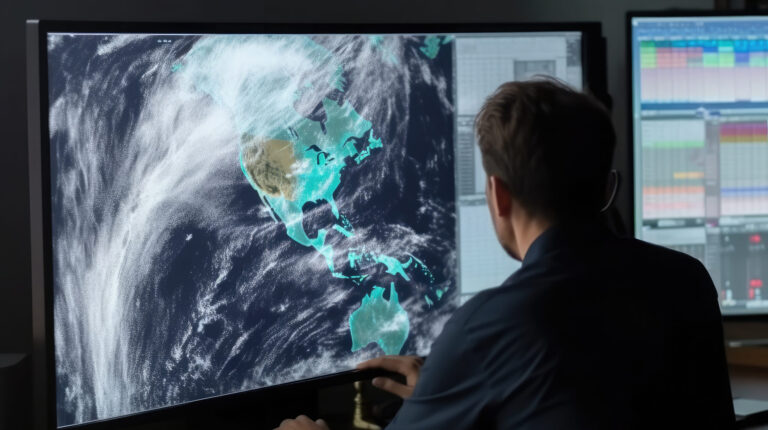
NOAA and the White House Office of Science and Technology Policy (OSTP) have hosted a joint workshop on the potential for artificial intelligence (AI) to transform weather prediction.

The two organizations joined representatives from academia and the private sector to discuss new developments, current challenges and potential cross-sector collaboration to best use AI for weather prediction to improve the ability of Americans to protect lives and property as climate change increases the frequency and intensity of extreme weather events.

“Participants from industry, universities and government agencies highlighted the exciting opportunities but also the interesting challenges for AI to vastly improve weather forecasting,” said White House Office of Science and Technology deputy director Jane Lubchenco. “The knowledge, experiences and relationships from the workshop will enrich NOAA’s approaches going forward.”

The workshop covered a wide range of topics, including anticipating the benefits and challenges of AI for weather prediction, building and maintaining trust in AI systems, and exploring scientific unknowns that pose the biggest challenges. Early results using AI and data-driven models show enhanced skill in predicting extreme life-threatening events like hurricanes, winter storms and heat waves – highlighting the opportunity to use these new models as valuable tools to produce forecasts that protect lives and property.

Through the workshop, NOAA strengthened its commitment to working with partners to build the infrastructure for trustworthy weather AI models that support decision making. A critical next step is expanding the reach and accessibility of NOAA data products to better serve AI users across sectors.

“The rapid pace of advancements in AI for numerical weather prediction has made urgent the need for NOAA to assess the state of the science and operational capabilities,” said Assistant Secretary of Commerce for Environmental Observation and Prediction, Michael C Morgan. “This workshop was an important step in scoping how NOAA can responsibly integrate the latest technology into research and operations, and ultimately better serve the nation.”

Virtual and in-person workshop participants included academic representatives from California Institute of Technology, Colorado State University, New York University, University of Albany, University of California at San Diego, University of Colorado, University of Florida, University of Maryland, University of Oklahoma and University of Washington.

The federal agencies represented included the US National Science Foundation, the US Department of Energy and the US Department of Defense. Amazon Web Services, Google, Microsoft, Nvidia and The Weather Company attended from the private sector. The research organizations present included the European Centre for Medium-Range Weather Forecasts and the National Center for Atmospheric Research.

In related news, The University of Reading has released a study that highlights the rapid progress and transformative potential of artificial intelligence (AI) in weather prediction through an analysis of November 2023’s Storm Ciaran. Click here to read the full story.

Previous ArticleWildfires in wet African forests have doubled in recent decades, AGU finds
Next Article EXCLUSIVE FEATURE: How are impact-based forecasts developing to minimize the human and economic costs of weather hazards?

Read Similar Stories

Climate Measurement

China inaugurates 27th national climate observatory in Hebei

April 9, 20262 Mins Read
Data

Met Office rolls out major forecasting system upgrade

February 9, 20263 Mins Read
Solar

India partners on hybrid solar forecasting project for large solar parks

February 5, 20262 Mins Read
Latest News

Northumbria University secures £4m to study Earth’s radiation belts

April 16, 2026

AI model improves real-time prediction of wildfire spread

April 16, 2026

Study identifies atmospheric trigger behind flash droughts in Puerto Rico

April 15, 2026

Receive breaking stories and features in your inbox each week, for free


Enter your email address:


Supplier Spotlights
  • Baron
Getting in Touch
  • Contact Us / Advertise
  • Meet the Editors
  • Media Pack
  • Free Weekly E-Newsletter
Our Social Channels
  • Facebook
  • LinkedIn
© 2026 UKi Media & Events a division of UKIP Media & Events Ltd
  • Cookie Policy
  • Privacy Policy
  • Terms and Conditions
  • Notice and Takedown Policy

Type above and press Enter to search. Press Esc to cancel.