


Close Menu
Meteorological Technology International
  • News
    • A-E
      • Agriculture
      • Automated Weather Stations
      • Aviation
      • Climate Measurement
      • Data
      • Developing Countries
      • Digital Applications
      • Early Warning Systems
      • Extreme Weather
    • G-P
      • Hydrology
      • Lidar
      • Lightning Detection
      • New Appointments
      • Nowcasting
      • Numerical Weather Prediction
      • Polar Weather
    • R-S
      • Radar
      • Rainfall
      • Remote Sensing
      • Renewable Energy
      • Satellites
      • Solar
      • Space Weather
      • Supercomputers
    • T-Z
      • Training
      • Transport
      • Weather Instruments
      • Wind
      • World Meteorological Organization
      • Meteorological Technology World Expo
  • Features
  • Online Magazines
    • January 2026
    • April 2025
    • January 2025
    • September 2024
    • April 2024
    • Archive Issues
    • Subscribe Free!
  • Opinion
  • Videos
  • Supplier Spotlight
  • Expo
LinkedIn X (Twitter) Facebook
  • Sign-up for Free Weekly E-Newsletter
  • Meet the Editors
  • Contact Us
  • Media Pack
LinkedIn Facebook
Subscribe
Meteorological Technology International
  • News
      • Agriculture
      • Automated Weather Stations
      • Aviation
      • Climate Measurement
      • Data
      • Developing Countries
      • Digital Applications
      • Early Warning Systems
      • Extreme Weather
      • Hydrology
      • Lidar
      • Lightning Detection
      • New Appointments
      • Nowcasting
      • Numerical Weather Prediction
      • Polar Weather
      • Radar
      • Rainfall
      • Remote Sensing
      • Renewable Energy
      • Satellites
      • Solar
      • Space Weather
      • Supercomputers
      • Training
      • Transport
      • Weather Instruments
      • Wind
      • World Meteorological Organization
      • Meteorological Technology World Expo
  • Features
  • Online Magazines
    1. January 2026
    2. September 2025
    3. April 2025
    4. January 2025
    5. September 2024
    6. April 2024
    7. January 2024
    8. September 2023
    9. April 2023
    10. Archive Issues
    11. Subscribe Free!
    Featured
    November 27, 2025

    In this Issue – January 2026

    By Hazel KingNovember 27, 2025
    Recent

    In this Issue – January 2026

    November 27, 2025

    In this Issue – September 2025

    August 11, 2025

    In this Issue – April 2025

    April 15, 2025
  • Opinion
  • Videos
  • Supplier Spotlight
  • Expo
Facebook LinkedIn
Subscribe
Meteorological Technology International
Climate Measurement

National Physical Laboratory develops facility to aid Earth observation

Helen NormanBy Helen NormanDecember 21, 20203 Mins Read
Share LinkedIn Facebook Twitter Email
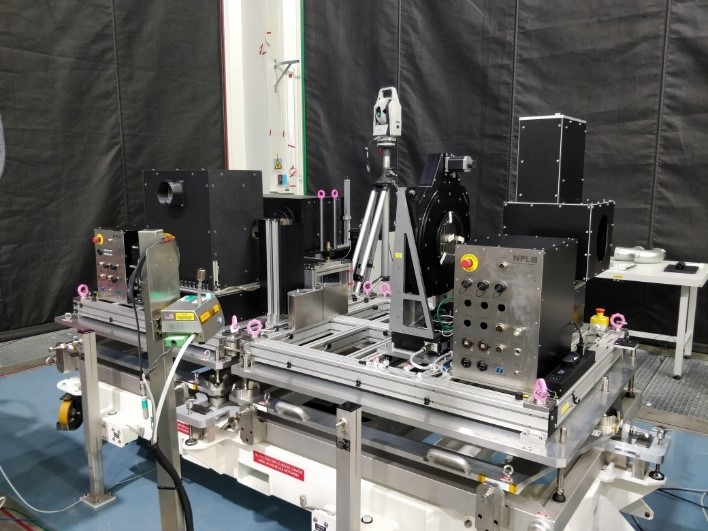
A subsystem of the MicroCarb Instrument
Share
LinkedIn Facebook Twitter Email

The UK’s National Physical Laboratory (NPL) has announced the launch of the new STAR facility to aid global Earth observation missions, providing calibrated and characterized climate quality measurements.

STAR-cc-OGSE, which stands for Spectroscopically Tuneable Absolute Radiometric, calibration and characterization, Optical Ground Support Equipment, is a vital piece to the climate monitoring puzzle, conceived at NPL, to provide innovative solutions to the pre-flight calibration of satellite instruments.

The facility provides a state-of-the-art solution to instrument calibration and characterization, ensuring the needed performance is achieved while minimizing the time and effort involved in the pre-launch vacuum test environment. In essence the facility combines together in a single transportable package, the contents of NPL’s radiometric calibration capabilities which normally occupy three laboratories at the Teddington site.

The STAR facility is the result of a partnership between the Scottish Laser company M-squared lasers and NPL and whilst designed to meet the demanding needs of climate and environmental monitoring, its flexibility, comprehensiveness and ease of use makes it suitable for a wide range of applications.

These attributes make it possible to enhance the performance of missions previously thought prohibited to undertake such end-to-end calibration and characterization, due to cost and complexity including the cube-sats of new space providers.

The STAR-cc-OGSE is fully traceable to NPL’s primary radiometric standard, the cryogenic radiometer, and can provide unprecedented uncertainties well below 0.5% across a wide spectral region. The first mission that will utilize the STAR-cc-OGSE is the CNES/UK microsatellite – MicroCarb, a mission designed to measure greenhouse gases.

NPL, as the UK’s National Metrology Institute is underpinning the measurements provided by MicroCarb, providing traceability and confidence in the outputs of the mission – a vital tool in the UK’s efforts toward greenhouse gas monitoring.

The outputs that the MicroCarb and future missions such as the UK-led TRUTHS mission provide require robust calibration and this is the role of the state-of-the-art STAR-cc-OGSE facility, Dr Paul Green, science area leader, Climate and Earth Observation, NPL, stated, “being able to accurately quantify the global carbon cycle, the anthropogenic contribution to it and the response of the natural environment is crucial to international efforts to manage a sustainable planet.

“Missions like MicroCarb provide the data needed to understand these complex interactions and the efficacy of implemented policy. However, the data collected from orbit needs to be accurate and trustable which can only be assured by innovative facilities anchored to internationally recognized standards, the SI,” he added.

STAR-cc-OGSE was funded by the National Measurement System, an important part of the UK’s scientific infrastructure, which is responsible for stimulating good measurement practice and enabling UK business to make accurate and traceable measurements for the benefit of the nation, and in this case the globe in the fight against climate change.

Previous ArticleWinners of WMO International Weather Apps Awards 2020 announced
Next Article Vaisala data reveals significant decrease in lightning activity in US

Read Similar Stories

Space Weather

Northumbria University secures £4m to study Earth’s radiation belts

April 16, 20262 Mins Read
Extreme Weather

AI model improves real-time prediction of wildfire spread

April 16, 20263 Mins Read
Climate Measurement

Study identifies atmospheric trigger behind flash droughts in Puerto Rico

April 15, 20263 Mins Read
Latest News

Northumbria University secures £4m to study Earth’s radiation belts

April 16, 2026

AI model improves real-time prediction of wildfire spread

April 16, 2026

Study identifies atmospheric trigger behind flash droughts in Puerto Rico

April 15, 2026

Receive breaking stories and features in your inbox each week, for free


Enter your email address:


Supplier Spotlights
  • ZX Lidars
Getting in Touch
  • Contact Us / Advertise
  • Meet the Editors
  • Media Pack
  • Free Weekly E-Newsletter
Our Social Channels
  • Facebook
  • LinkedIn
© 2026 UKi Media & Events a division of UKIP Media & Events Ltd
  • Cookie Policy
  • Privacy Policy
  • Terms and Conditions
  • Notice and Takedown Policy

Type above and press Enter to search. Press Esc to cancel.