


Close Menu
Meteorological Technology International
  • News
    • A-E
      • Agriculture
      • Automated Weather Stations
      • Aviation
      • Climate Measurement
      • Data
      • Developing Countries
      • Digital Applications
      • Early Warning Systems
      • Extreme Weather
    • G-P
      • Hydrology
      • Lidar
      • Lightning Detection
      • New Appointments
      • Nowcasting
      • Numerical Weather Prediction
      • Polar Weather
    • R-S
      • Radar
      • Rainfall
      • Remote Sensing
      • Renewable Energy
      • Satellites
      • Solar
      • Space Weather
      • Supercomputers
    • T-Z
      • Training
      • Transport
      • Weather Instruments
      • Wind
      • World Meteorological Organization
      • Meteorological Technology World Expo
  • Features
  • Online Magazines
    • January 2026
    • April 2025
    • January 2025
    • September 2024
    • April 2024
    • Archive Issues
    • Subscribe Free!
  • Opinion
  • Videos
  • Supplier Spotlight
  • Expo
LinkedIn X (Twitter) Facebook
  • Sign-up for Free Weekly E-Newsletter
  • Meet the Editors
  • Contact Us
  • Media Pack
LinkedIn Facebook
Subscribe
Meteorological Technology International
  • News
      • Agriculture
      • Automated Weather Stations
      • Aviation
      • Climate Measurement
      • Data
      • Developing Countries
      • Digital Applications
      • Early Warning Systems
      • Extreme Weather
      • Hydrology
      • Lidar
      • Lightning Detection
      • New Appointments
      • Nowcasting
      • Numerical Weather Prediction
      • Polar Weather
      • Radar
      • Rainfall
      • Remote Sensing
      • Renewable Energy
      • Satellites
      • Solar
      • Space Weather
      • Supercomputers
      • Training
      • Transport
      • Weather Instruments
      • Wind
      • World Meteorological Organization
      • Meteorological Technology World Expo
  • Features
  • Online Magazines
    1. January 2026
    2. September 2025
    3. April 2025
    4. January 2025
    5. September 2024
    6. April 2024
    7. January 2024
    8. September 2023
    9. April 2023
    10. Archive Issues
    11. Subscribe Free!
    Featured
    November 27, 2025

    In this Issue – January 2026

    By Hazel KingNovember 27, 2025
    Recent

    In this Issue – January 2026

    November 27, 2025

    In this Issue – September 2025

    August 11, 2025

    In this Issue – April 2025

    April 15, 2025
  • Opinion
  • Videos
  • Supplier Spotlight
  • Expo
Facebook LinkedIn
Subscribe
Meteorological Technology International
Extreme Weather

WMO and UNDP analysis urges shift from reactive recovery to risk-informed development

Alex PackBy Alex PackDecember 15, 20253 Mins Read
Share LinkedIn Facebook Twitter Email
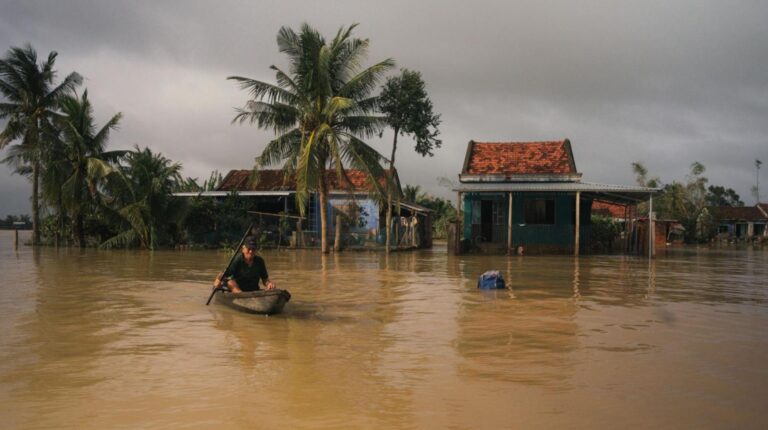
WMO and UNDP analysis urges shift from reactive recovery to risk-informed development.
Credit: WMO
Share
LinkedIn Facebook Twitter Email

A joint World Meteorological Organization (WMO) and United Nations Development Programme (UNDP) report has found major opportunities to move from post-disaster response toward proactive, data-driven resilience planning. Titled Mapping the Impact and Informing Economic Resilience: An Analysis of Post-Disaster Needs Assessment (PDNAs), it draws on 91 PDNAs conducted between 2000 and 2024 to analyze losses and damages from tropical cyclones, floods and droughts across Africa, Asia-Pacific, the Americas and Europe.

The report highlights concentrated economic impacts in agriculture, housing and transportation, which “collectively bear the majority of reported losses and damages.” It also exposes large disparities in the quality and extent of disaster impact data and the limited integration of national meteorological and hydrological services (NMHS) into PDNAs – only around 20% of assessments reviewed engaged NMHS.

“The rising frequency and intensity of weather, climate and water-related hazards have cascading impacts on our society, challenging economic resilience and sustainable development worldwide,” writes WMO deputy secretary-general Ko Barrett in the foreword. “This report offers a unique evidence base for understanding the differentiated impacts of hazards across sectors, and provides critical insights into where vulnerabilities lie.”

A central theme is the need to embed resilience in recovery. The analysis warns that rapid rebuilds that merely restore pre-existing conditions can lock countries into cycles of repeated damage. The report recommends aligning reconstruction with national adaptation and development plans, promoting safer construction standards and resilient infrastructure, supporting diversified and climate-resilient livelihoods, and integrating impact-based forecasts and climate services into recovery decisions.

NMHS are identified as critical yet underused partners. The report argues that NMHS data is foundational for early warning, hazard attribution, climate services and risk modeling, and that greater NMHS involvement would transform PDNAs from reactive inventories into forward-looking resilience strategies. It calls for systematic integration of NMHS into assessment processes, increased investment in observation networks and forecasting systems, wider use of socioeconomic benefit analyses, and closer collaboration with sector ministries and local authorities.

UNDP crisis bureau director Shoko Noda frames the report as a practical tool for policymakers: “Governments, donors and partners can use these insights to build safer homes, stronger communities and smarter development. Every investment in resilience today reduces the human and economic costs of tomorrow.”

The paper summarizes five key lessons: sectoral impacts are predictable and preventable (priority sectors: agriculture, housing, transportation); building back better must guide recovery; NMHS must be fully integrated into planning; early warning systems save lives and livelihoods; and standardized hazard and sectoral data is essential for accurate, comparable and actionable impact information.

The report offers a clear, evidence-based roadmap for governments and development partners seeking to reduce future losses and strengthen economic resilience in the face of a changing climate.

In related news, the second phase of the CREWS project has been launched to strengthen early warning systems in Southeast Asia

Previous ArticleRobotic Argo float sends back first ocean transect beneath East Antarctic ice shelf
Next Article Singapore launches initiative to mitigate weather impacts on aviation

Read Similar Stories

Extreme Weather

AI model improves real-time prediction of wildfire spread

April 16, 20263 Mins Read
Climate Measurement

Study identifies atmospheric trigger behind flash droughts in Puerto Rico

April 15, 20263 Mins Read
Climate Measurement

Regional training aims to improve flood forecasting in Central Africa

April 1, 20263 Mins Read
Latest News

Northumbria University secures £4m to study Earth’s radiation belts

April 16, 2026

AI model improves real-time prediction of wildfire spread

April 16, 2026

Study identifies atmospheric trigger behind flash droughts in Puerto Rico

April 15, 2026

Receive breaking stories and features in your inbox each week, for free


Enter your email address:


Supplier Spotlights
  • EWR Radar Systems
Getting in Touch
  • Contact Us / Advertise
  • Meet the Editors
  • Media Pack
  • Free Weekly E-Newsletter
Our Social Channels
  • Facebook
  • LinkedIn
© 2026 UKi Media & Events a division of UKIP Media & Events Ltd
  • Cookie Policy
  • Privacy Policy
  • Terms and Conditions
  • Notice and Takedown Policy

Type above and press Enter to search. Press Esc to cancel.