


Close Menu
Meteorological Technology International
  • News
    • A-E
      • Agriculture
      • Automated Weather Stations
      • Aviation
      • Climate Measurement
      • Data
      • Developing Countries
      • Digital Applications
      • Early Warning Systems
      • Extreme Weather
    • G-P
      • Hydrology
      • Lidar
      • Lightning Detection
      • New Appointments
      • Nowcasting
      • Numerical Weather Prediction
      • Polar Weather
    • R-S
      • Radar
      • Rainfall
      • Remote Sensing
      • Renewable Energy
      • Satellites
      • Solar
      • Space Weather
      • Supercomputers
    • T-Z
      • Training
      • Transport
      • Weather Instruments
      • Wind
      • World Meteorological Organization
      • Meteorological Technology World Expo
  • Features
  • Online Magazines
    • January 2026
    • April 2025
    • January 2025
    • September 2024
    • April 2024
    • Archive Issues
    • Subscribe Free!
  • Opinion
  • Videos
  • Supplier Spotlight
  • Expo
LinkedIn X (Twitter) Facebook
  • Sign-up for Free Weekly E-Newsletter
  • Meet the Editors
  • Contact Us
  • Media Pack
LinkedIn Facebook
Subscribe
Meteorological Technology International
  • News
      • Agriculture
      • Automated Weather Stations
      • Aviation
      • Climate Measurement
      • Data
      • Developing Countries
      • Digital Applications
      • Early Warning Systems
      • Extreme Weather
      • Hydrology
      • Lidar
      • Lightning Detection
      • New Appointments
      • Nowcasting
      • Numerical Weather Prediction
      • Polar Weather
      • Radar
      • Rainfall
      • Remote Sensing
      • Renewable Energy
      • Satellites
      • Solar
      • Space Weather
      • Supercomputers
      • Training
      • Transport
      • Weather Instruments
      • Wind
      • World Meteorological Organization
      • Meteorological Technology World Expo
  • Features
  • Online Magazines
    1. January 2026
    2. September 2025
    3. April 2025
    4. January 2025
    5. September 2024
    6. April 2024
    7. January 2024
    8. September 2023
    9. April 2023
    10. Archive Issues
    11. Subscribe Free!
    Featured
    November 27, 2025

    In this Issue – January 2026

    By Hazel KingNovember 27, 2025
    Recent

    In this Issue – January 2026

    November 27, 2025

    In this Issue – September 2025

    August 11, 2025

    In this Issue – April 2025

    April 15, 2025
  • Opinion
  • Videos
  • Supplier Spotlight
  • Expo
Facebook LinkedIn
Subscribe
Meteorological Technology International
Early Warning Systems

Water cycle instability drove global water-related disasters in 2025

Alex PackBy Alex PackJanuary 20, 20263 Mins Read
Share LinkedIn Facebook Twitter Email
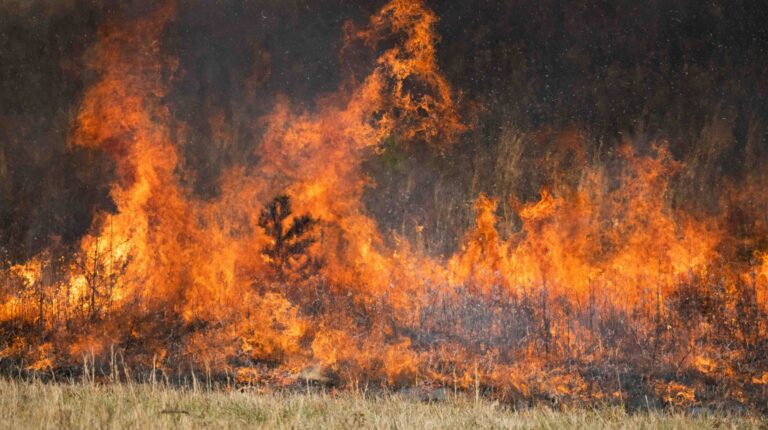
Flames in an open meadow as part of a controlled burn in Cades Cove, Great Smoky Mountains National Park.
Share
LinkedIn Facebook Twitter Email

Instability in the global water cycle intensified floods, droughts and heat extremes in 2025, contributing to widespread humanitarian and economic impacts, according to a new report led by the Australian National University (ANU).

The 2025 Global Water Monitor Report states that continued warming is altering how water moves through the atmosphere, land and oceans, increasing the frequency and severity of water-related disasters. The international research team reports that such events caused nearly 5,000 deaths worldwide in 2025, displaced around eight million people and resulted in economic losses exceeding US$360m.

Led by Prof. Albert van Dijk from ANU’s Fenner School of Environment & Society, the report links these losses to floods, tropical cyclones, droughts and wildfires that interacted across water, food and energy systems.

“Changes to the water cycle are influencing the timing and location of disasters,” said Prof. van Dijk. “In 2025, floods, droughts and heat-related hazards repeatedly hit the same regions in quick succession, amplifying their combined impacts.”

The report highlights rapid transitions between wet and dry conditions, sometimes described as ‘climate whiplash’, which placed increasing pressure on ecosystems, infrastructure and water systems. One example cited was the Iberian Peninsula, where a wet spring drove vegetation growth before a sudden heatwave and flash drought dried soils and vegetation, contributing to severe wildfires in Spain and Portugal.

“The report documents how changes in atmospheric moisture, soil and groundwater conditions, river flows and surface water extent were closely associated with many of the year’s most damaging climate disasters,” said Prof. van Dijk.

Global land temperatures in 2025 were only slightly lower than the record set in 2024, with the past three years ranking as the hottest on record. Extreme heat remained a major driver of impacts, particularly in Europe, where prolonged summer heatwaves were linked to large numbers of heat-related deaths and increased wildfire activity.

“The close link between warming and the water cycle was evident in 2025, as growing instability saw unprecedented glacial lakes bursting their banks in the Himalayas following warm weather,” Prof. van Dijk said.

“A major tropical cyclone near the equator in Indonesia further highlighted that water-related hazards are emerging in regions where they were once rare.”

Flooding was widespread during the year, with global river flows and surface water extent above long-term averages. South and Southeast Asia were particularly affected by flooding linked to monsoon rainfall and tropical cyclones, while other regions, including Somalia, experienced rapidly developing drought conditions.

The report stresses that preparedness, including early warning systems and evacuation planning, remains critical as climate-related hazards intensify.

“The impact of a disaster depends on how well-prepared society is to manage them,” Prof. van Dijk said.

“In 2025, preparedness saved many lives, but there were failures and the fast-changing planet keeps throwing new surprises at us.”

Related news, Oceans absorb record heat, driving extreme weather, according to international study led by Chinese Academy of Sciences

Previous ArticleLeonardo to acquire weather radar specialist Enterprise Electronics Corporation
Next Article R.M Young Company and Western Weather Group to host webinar on wildfire forecast intelligence for utilities

Read Similar Stories

Extreme Weather

AI model improves real-time prediction of wildfire spread

April 16, 20263 Mins Read
Climate Measurement

Study identifies atmospheric trigger behind flash droughts in Puerto Rico

April 15, 20263 Mins Read
Climate Measurement

Regional training aims to improve flood forecasting in Central Africa

April 1, 20263 Mins Read
Latest News

Northumbria University secures £4m to study Earth’s radiation belts

April 16, 2026

AI model improves real-time prediction of wildfire spread

April 16, 2026

Study identifies atmospheric trigger behind flash droughts in Puerto Rico

April 15, 2026

Receive breaking stories and features in your inbox each week, for free


Enter your email address:


Supplier Spotlights
  • Geolux d.o.o.
Getting in Touch
  • Contact Us / Advertise
  • Meet the Editors
  • Media Pack
  • Free Weekly E-Newsletter
Our Social Channels
  • Facebook
  • LinkedIn
© 2026 UKi Media & Events a division of UKIP Media & Events Ltd
  • Cookie Policy
  • Privacy Policy
  • Terms and Conditions
  • Notice and Takedown Policy

Type above and press Enter to search. Press Esc to cancel.