

Close Menu
Meteorological Technology International
  • News
    • A-E
      • Agriculture
      • Automated Weather Stations
      • Aviation
      • Climate Measurement
      • Data
      • Developing Countries
      • Digital Applications
      • Early Warning Systems
      • Extreme Weather
    • G-P
      • Hydrology
      • Lidar
      • Lightning Detection
      • New Appointments
      • Nowcasting
      • Numerical Weather Prediction
      • Polar Weather
    • R-S
      • Radar
      • Rainfall
      • Remote Sensing
      • Renewable Energy
      • Satellites
      • Solar
      • Space Weather
      • Supercomputers
    • T-Z
      • Training
      • Transport
      • Weather Instruments
      • Wind
      • World Meteorological Organization
      • Meteorological Technology World Expo
  • Features
  • Online Magazines
    • January 2026
    • April 2025
    • January 2025
    • September 2024
    • April 2024
    • Archive Issues
    • Subscribe Free!
  • Opinion
  • Videos
  • Supplier Spotlight
  • Expo
LinkedIn X (Twitter) Facebook
  • Sign-up for Free Weekly E-Newsletter
  • Meet the Editors
  • Contact Us
  • Media Pack
LinkedIn Facebook
Subscribe
Meteorological Technology International
  • News
      • Agriculture
      • Automated Weather Stations
      • Aviation
      • Climate Measurement
      • Data
      • Developing Countries
      • Digital Applications
      • Early Warning Systems
      • Extreme Weather
      • Hydrology
      • Lidar
      • Lightning Detection
      • New Appointments
      • Nowcasting
      • Numerical Weather Prediction
      • Polar Weather
      • Radar
      • Rainfall
      • Remote Sensing
      • Renewable Energy
      • Satellites
      • Solar
      • Space Weather
      • Supercomputers
      • Training
      • Transport
      • Weather Instruments
      • Wind
      • World Meteorological Organization
      • Meteorological Technology World Expo
  • Features
  • Online Magazines
    1. January 2026
    2. September 2025
    3. April 2025
    4. January 2025
    5. September 2024
    6. April 2024
    7. January 2024
    8. September 2023
    9. April 2023
    10. Archive Issues
    11. Subscribe Free!
    Featured
    November 27, 2025

    In this Issue – January 2026

    By Hazel KingNovember 27, 2025
    Recent

    In this Issue – January 2026

    November 27, 2025

    In this Issue – September 2025

    August 11, 2025

    In this Issue – April 2025

    April 15, 2025
  • Opinion
  • Videos
  • Supplier Spotlight
  • Expo
Facebook LinkedIn
Subscribe
Meteorological Technology International
Extreme Weather

New forecasting model predicts when vehicles will overturn

Paul WillisBy Paul WillisSeptember 17, 20192 Mins Read
Share LinkedIn Facebook Twitter Email
Share
LinkedIn Facebook Twitter Email

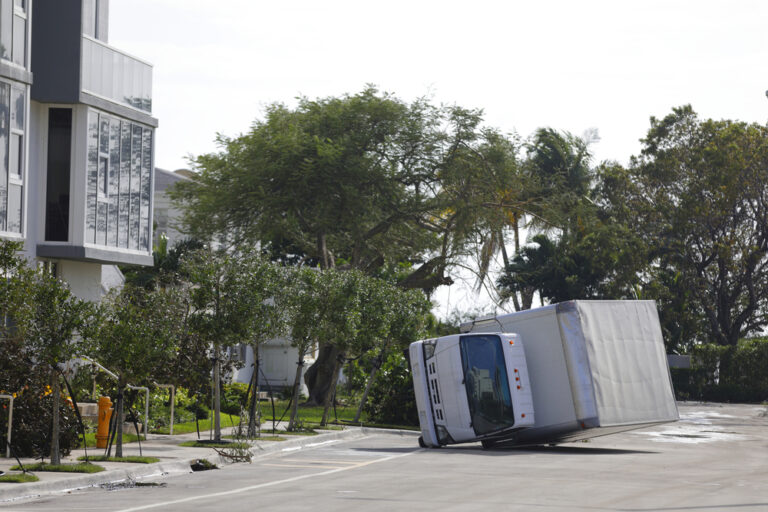
The UK Met Office has created a prototype forecasting model that will base the severity of an extreme weather event on the risk of causing vehicles to overturn.

The new model, which was outlined in a recent research paper published by the Royal Meteorological Society, is part of a shift toward impact-based forecasting by the UK national weather service.

According to the Met Office the model – known as the Vehicle OverTurning (VOT) model – will support the current system of wind warnings issued by the Met Office’s National Severe Weather Warning Service (NSWWS).

The VOT will work by highlighting areas of the road network that are at risk of disruption due to vehicle overturning incidents.

According to the authors of the Met Office research paper, Rebecca Hemingway and Joanne Robbins, there is a growing recognition that “traditional forecasts and warnings, which are solely hazard focused, can be difficult for users to relate to and take action on”.

As a result, the Met Office began issuing impact-based weather warnings in 2011. But according to Hemingway and Robbins the process for issuing impact-based warnings so far has been largely subjective, “being predominantly based on meteorologist expertise and experience of past high-impact weather events and discussions with local advisors”.

By contrast the VOT model combines probabilistic hazard information with vulnerability and exposure data “to provide an objective, consistent assessment of potential risk.”

The model uses minimum accident wind gust speeds, which are defined as the wind speeds required to overturn unloaded and loaded heavy goods vehicles, unloaded light goods vehicles and cars.

This dataset is cross-referenced with a vulnerability score for a section of road, which is calculated by looking at four characteristics that influence the road’s susceptibility to wind-induced vehicle overturning. The four characteristics are altitude, number of road lanes, infrastructure and the road’s position relative to the forecast wind direction.

Finally, the model leverages traffic volume data from the UK Department of Transport. The next step is for the model to be evaluated against observed occurrences of vehicle overturning incidents.

The authors also want to test out the model with end users such as operational meteorologists at the Met Office and meteorologists embedded with road transport authorities such as Highways England. The results of these trials will help determine the value of hazard impact models to different user groups, says the Met Office.

Previous ArticleComputer modeling reveals mystery behind deadly Indonesia tsunami
Next Article ESA weather satellite’s near miss warns of dangers to come

Read Similar Stories

Extreme Weather

AI model improves real-time prediction of wildfire spread

April 16, 20263 Mins Read
Climate Measurement

Study identifies atmospheric trigger behind flash droughts in Puerto Rico

April 15, 20263 Mins Read
Climate Measurement

Regional training aims to improve flood forecasting in Central Africa

April 1, 20263 Mins Read
Latest News

Northumbria University secures £4m to study Earth’s radiation belts

April 16, 2026

AI model improves real-time prediction of wildfire spread

April 16, 2026

Study identifies atmospheric trigger behind flash droughts in Puerto Rico

April 15, 2026

Receive breaking stories and features in your inbox each week, for free


Enter your email address:


Supplier Spotlights
  • Baron
Getting in Touch
  • Contact Us / Advertise
  • Meet the Editors
  • Media Pack
  • Free Weekly E-Newsletter
Our Social Channels
  • Facebook
  • LinkedIn
© 2026 UKi Media & Events a division of UKIP Media & Events Ltd
  • Cookie Policy
  • Privacy Policy
  • Terms and Conditions
  • Notice and Takedown Policy

Type above and press Enter to search. Press Esc to cancel.