


Close Menu
Meteorological Technology International
  • News
    • A-E
      • Agriculture
      • Automated Weather Stations
      • Aviation
      • Climate Measurement
      • Data
      • Developing Countries
      • Digital Applications
      • Early Warning Systems
      • Extreme Weather
    • G-P
      • Hydrology
      • Lidar
      • Lightning Detection
      • New Appointments
      • Nowcasting
      • Numerical Weather Prediction
      • Polar Weather
    • R-S
      • Radar
      • Rainfall
      • Remote Sensing
      • Renewable Energy
      • Satellites
      • Solar
      • Space Weather
      • Supercomputers
    • T-Z
      • Training
      • Transport
      • Weather Instruments
      • Wind
      • World Meteorological Organization
      • Meteorological Technology World Expo
  • Features
  • Online Magazines
    • January 2026
    • April 2025
    • January 2025
    • September 2024
    • April 2024
    • Archive Issues
    • Subscribe Free!
  • Opinion
  • Videos
  • Supplier Spotlight
  • Expo
LinkedIn X (Twitter) Facebook
  • Sign-up for Free Weekly E-Newsletter
  • Meet the Editors
  • Contact Us
  • Media Pack
LinkedIn Facebook
Subscribe
Meteorological Technology International
  • News
      • Agriculture
      • Automated Weather Stations
      • Aviation
      • Climate Measurement
      • Data
      • Developing Countries
      • Digital Applications
      • Early Warning Systems
      • Extreme Weather
      • Hydrology
      • Lidar
      • Lightning Detection
      • New Appointments
      • Nowcasting
      • Numerical Weather Prediction
      • Polar Weather
      • Radar
      • Rainfall
      • Remote Sensing
      • Renewable Energy
      • Satellites
      • Solar
      • Space Weather
      • Supercomputers
      • Training
      • Transport
      • Weather Instruments
      • Wind
      • World Meteorological Organization
      • Meteorological Technology World Expo
  • Features
  • Online Magazines
    1. January 2026
    2. September 2025
    3. April 2025
    4. January 2025
    5. September 2024
    6. April 2024
    7. January 2024
    8. September 2023
    9. April 2023
    10. Archive Issues
    11. Subscribe Free!
    Featured
    November 27, 2025

    In this Issue – January 2026

    By Hazel KingNovember 27, 2025
    Recent

    In this Issue – January 2026

    November 27, 2025

    In this Issue – September 2025

    August 11, 2025

    In this Issue – April 2025

    April 15, 2025
  • Opinion
  • Videos
  • Supplier Spotlight
  • Expo
Facebook LinkedIn
Subscribe
Meteorological Technology International
Extreme Weather

India invests Rs2,000 crore in radar and satellites to improve extreme weather prediction

Elizabeth BakerBy Elizabeth BakerSeptember 12, 20242 Mins Read
Share LinkedIn Facebook Twitter Email
India’s Union Cabinet, chaired by Prime Minister Shri Narendra Modi, has approved ‘Mission Mausam' with an outlay of Rs.2,000 crore (US$240m) over two years.
Share
LinkedIn Facebook Twitter Email

India’s Union Cabinet, chaired by Prime Minister Shri Narendra Modi, has approved Mission Mausam with an outlay of Rs2,000 crore (US$240m) over two years. This project is intended to improve India’s weather- and climate-related science, research and services and support the country as it tackles extreme weather events and the impacts of climate change.

Extreme weather event prediction

As part of Mission Mausam, India will expand R&D and capacity in atmospheric sciences, especially weather surveillance, modeling, forecasting and management, by integrating advanced observation systems, high-performance computing, and technologies like artificial intelligence (AI) and machine learning (ML).

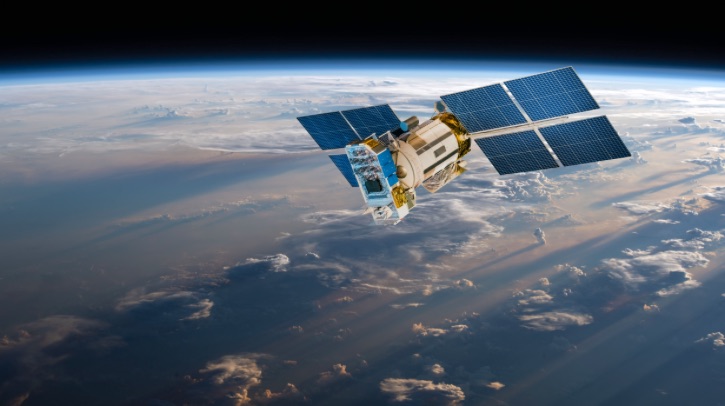
The mission aims to improve observations and understanding and provide highly accurate and timely weather and climate information across temporal and spatial scales, including monsoon forecasts, alerts for air quality, extreme weather events and cyclones, weather interventions for managing fog, hail and rain, capacity building and generating awareness. Mission Mausam will also include the deployment of next-generation radars and satellite systems with advanced sensors and high-performance supercomputers, the development of improved Earth system models and a GIS-based automated decision support system for real-time data dissemination.

India’s Mission Mausam

According to the Union Cabinet, Mission Mausam will directly benefit numerous sectors, such as agriculture, disaster management, defense, environment, aviation, water resources, power, tourism, shipping, transportation, energy and health. It will also enhance data-driven decision-making in areas such as urban planning, road and rail transportation, offshore operations and environmental monitoring.

Three institutes of the Ministry of Earth Sciences (MoES) – the India Meteorological Department, the Indian Institute of Tropical Meteorology and the National Centre for Medium-Range Weather Forecasting – will primarily implement Mission Mausam. These institutions will be supported by other MoES institutions (the Indian National Centre for Ocean Information Services, National Centre for Polar and Ocean Research and National Institute of Ocean Technology), along with other national and international institutes, academia and industries, furthering India’s leadership in weather and climate sciences and services.

In related news, the government of India recently initiated the procurement and installation of 10 X-band Doppler weather radars (DWRs) to enhance weather forecasting and monitoring capabilities in the northeastern states of India and the Lahaul & Spiti District of Himachal Pradesh. Click here to read the full story.

Previous ArticleSpire Global to provide US$3.8m of satellite weather data to NOAA
Next Article Two AI-powered echo forecasting systems arrive at the China Meteorological Administration

Read Similar Stories

Extreme Weather

AI model improves real-time prediction of wildfire spread

April 16, 20263 Mins Read
Climate Measurement

Study identifies atmospheric trigger behind flash droughts in Puerto Rico

April 15, 20263 Mins Read
Satellites

AI tool uses weather satellite data to map ocean currents in near real time

April 14, 20263 Mins Read
Latest News

Northumbria University secures £4m to study Earth’s radiation belts

April 16, 2026

AI model improves real-time prediction of wildfire spread

April 16, 2026

Study identifies atmospheric trigger behind flash droughts in Puerto Rico

April 15, 2026

Receive breaking stories and features in your inbox each week, for free


Enter your email address:


Supplier Spotlights
  • Synoptic Data PBC
Getting in Touch
  • Contact Us / Advertise
  • Meet the Editors
  • Media Pack
  • Free Weekly E-Newsletter
Our Social Channels
  • Facebook
  • LinkedIn
© 2026 UKi Media & Events a division of UKIP Media & Events Ltd
  • Cookie Policy
  • Privacy Policy
  • Terms and Conditions
  • Notice and Takedown Policy

Type above and press Enter to search. Press Esc to cancel.