


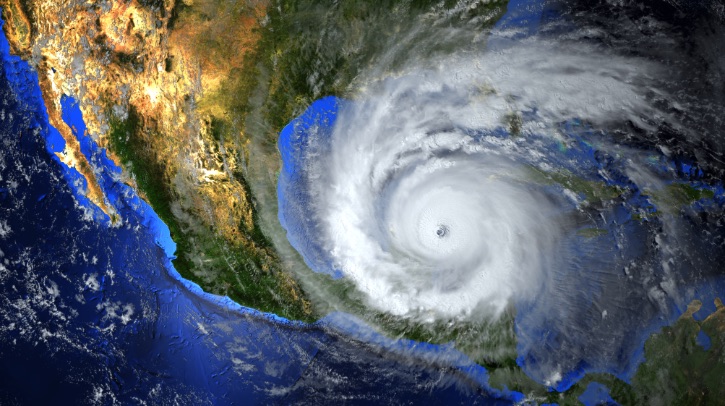
According to the latest AccuWeather research, the frequency and impact of extreme weather events in the USA increased in 2024, with hurricanes, tornadoes, wildfires, flooding and extreme heat last year costing Americans more than US$500bn in total damage and economic loss, nearly 2% of the national gross domestic product. Additionally, record-shattering ocean temperatures and rising air temperatures were reported around the globe last year.
Extreme weather data
“We witnessed a historic year of extreme weather in America. Hurricanes, floods, damaging windstorms, large hail and tornadoes devastated communities across the country,” said AccuWeather chief meteorologist Jonathan Porter.
“This was one of the most destructive and expensive hurricane seasons in modern history. The impacts of extreme weather have taken a major financial and emotional toll on millions of Americans. Unfortunately, this is a trend that we expect to further escalate in the coming decades. More and more people, businesses and communities are feeling the direct impacts and harm from extreme weather and climate change.”
The frequency of extreme weather events has been driven, in part, by rising air and ocean temperatures around the world – 2024 is on track to be Earth’s hottest year on record, shattering a record that was just set in 2023.
AccuWeather senior meteorologist and climate expert Brett Anderson said that 2024 is also the first year for which average global temperatures are expected to surpass the benchmark of 1.5°C above the pre-industrial average.
“Our world is getting warmer as we continue to burn fossil fuels around the globe. Temperatures will continue to rise if we continue emitting tons of greenhouse gases that are trapped in our atmosphere,” he said. “Higher air temperatures and warmer oceans are providing additional energy and moisture for storms. Warmer air can also hold more moisture, leading to more extreme rainfall rates and destructive flash flooding, which we have seen this year.”
The financial toll of extreme weather
Experts at the AccuWeather Global Weather Center have issued total damage and economic loss estimates for nine weather events in the USA in 2024. These exclusive estimates incorporate not just insured losses, but uninsured losses, as well as business and tourism disruptions and long-term healthcare costs from major weather events.
February 9 –AccuWeather estimates the total damage and economic loss from intense storms slamming into California to be between US$9bn and US$11bn.
April 17 – AccuWeather estimates that an exceptionally warm winter in the Upper Midwest and northern Plains cost businesses US$8bn in economic damage and losses.
May 17 – AccuWeather estimates the total damage and economic loss from a windstorm in Houston, Texas, was between US$5bn and US$7bn.
July 9 – AccuWeather estimates the total damage and economic loss from Hurricane Beryl in the USA was US$28-US$32bn.
August 9 – AccuWeather estimates the total damage and economic loss from Hurricane Debby in the USA was US$28bn.
September 12 – AccuWeather estimates the total damage and economic loss from Hurricane Francine in the USA was US$9bn.
September 18 – AccuWeather estimates the total damage and economic loss from an unnamed storm with tropical storm impacts in North Carolina was US$7bn.
October 3 – AccuWeather estimates the total damage and economic loss from Hurricane Helene to be between US$225bn and US$250bn.
October 10 – AccuWeather estimates the total damage and economic loss from Hurricane Milton to be between US$160bn and US$180bn.
“The financial ripple effects of hurricane impacts this year will be felt for a long time. AccuWeather estimates the total damage and economic loss from Beryl, Debby, Francine, Helene, Milton and the unnamed subtropical storm in the Carolinas will surpass half a trillion dollars. The cleanup and recovery process could take 10 years or longer in some of the hardest-hit communities. The long-term costs of health care and mental health impacts will last for decades. Researchers say hurricanes can contribute to thousands of excess deaths in the years after a major landfall,” Porter said.
“The damage and economic loss from tornadoes, floods, hail, wildfires and drought this year [2024] is mounting. The extreme weather of 2024 should be a further wake-up call for businesses, government leaders, emergency officials and the insurance industry to prepare for a future with more weather disasters, extreme temperatures and unprecedented impacts. We need to become more resilient to extreme and severe weather and ensure each family, business and government organization has the best plan in place to be better prepared and stay safer, given increasing severe weather impacts.”
In related news, AccuWeather recently estimated that the five hurricanes and one unnamed subtropical storm that made landfall in the USA caused an estimated US$500bn in total damage and economic loss. Click here to read the full story.