


Close Menu
Meteorological Technology International
  • News
    • A-E
      • Agriculture
      • Automated Weather Stations
      • Aviation
      • Climate Measurement
      • Data
      • Developing Countries
      • Digital Applications
      • Early Warning Systems
      • Extreme Weather
    • G-P
      • Hydrology
      • Lidar
      • Lightning Detection
      • New Appointments
      • Nowcasting
      • Numerical Weather Prediction
      • Polar Weather
    • R-S
      • Radar
      • Rainfall
      • Remote Sensing
      • Renewable Energy
      • Satellites
      • Solar
      • Space Weather
      • Supercomputers
    • T-Z
      • Training
      • Transport
      • Weather Instruments
      • Wind
      • World Meteorological Organization
      • Meteorological Technology World Expo
  • Features
  • Online Magazines
    • January 2026
    • April 2025
    • January 2025
    • September 2024
    • April 2024
    • Archive Issues
    • Subscribe Free!
  • Opinion
  • Videos
  • Supplier Spotlight
  • Expo
LinkedIn X (Twitter) Facebook
  • Sign-up for Free Weekly E-Newsletter
  • Meet the Editors
  • Contact Us
  • Media Pack
LinkedIn Facebook
Subscribe
Meteorological Technology International
  • News
      • Agriculture
      • Automated Weather Stations
      • Aviation
      • Climate Measurement
      • Data
      • Developing Countries
      • Digital Applications
      • Early Warning Systems
      • Extreme Weather
      • Hydrology
      • Lidar
      • Lightning Detection
      • New Appointments
      • Nowcasting
      • Numerical Weather Prediction
      • Polar Weather
      • Radar
      • Rainfall
      • Remote Sensing
      • Renewable Energy
      • Satellites
      • Solar
      • Space Weather
      • Supercomputers
      • Training
      • Transport
      • Weather Instruments
      • Wind
      • World Meteorological Organization
      • Meteorological Technology World Expo
  • Features
  • Online Magazines
    1. January 2026
    2. September 2025
    3. April 2025
    4. January 2025
    5. September 2024
    6. April 2024
    7. January 2024
    8. September 2023
    9. April 2023
    10. Archive Issues
    11. Subscribe Free!
    Featured
    November 27, 2025

    In this Issue – January 2026

    By Hazel KingNovember 27, 2025
    Recent

    In this Issue – January 2026

    November 27, 2025

    In this Issue – September 2025

    August 11, 2025

    In this Issue – April 2025

    April 15, 2025
  • Opinion
  • Videos
  • Supplier Spotlight
  • Expo
Facebook LinkedIn
Subscribe
Meteorological Technology International
Climate Measurement

Climate change increases flood and water shortage risks in India, the University of Reading reports

Elizabeth BakerBy Elizabeth BakerMarch 14, 20243 Mins Read
Share LinkedIn Facebook Twitter Email
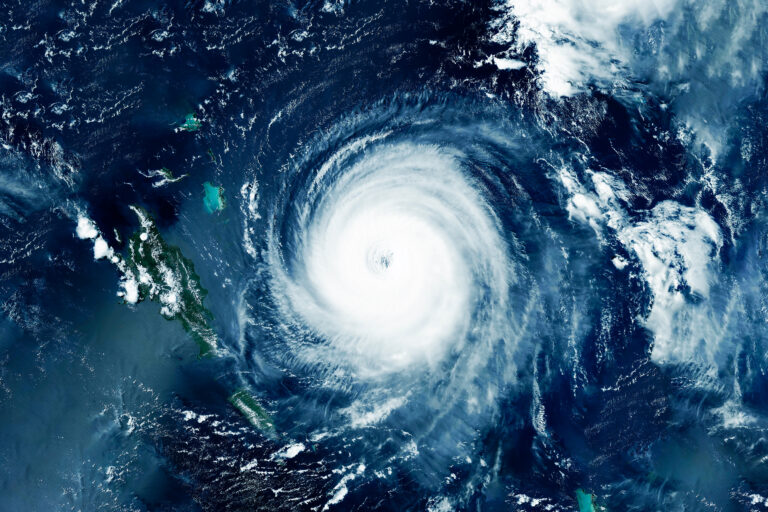
Hurricane seen from space.
Share
LinkedIn Facebook Twitter Email

The University of Reading has published a study in the journal Weather and Climate Dynamics, which reveals cyclonic storms are occurring more often during India’s summer.

Western disturbances

The cyclonic storms, known as western disturbances, typically bring heavy snow to the Himalayas from December to March. This snowpack slowly melts in spring, providing a steady supply of irrigation water for wheat and other crops downstream.

According to the report, the storms have increased in frequency by 60% from April to July over the past 70 years, reducing snowfall and increasing the risk of heavy flooding. This exacerbates the risk of catastrophic flooding while also reducing vital water supplies for millions of Indians, the university says.

Author Dr Kieran Hunt, of the University of Reading, said, “Strong storms are now twice as likely to occur in the north of India in June compared to 70 years ago. With warmer and more moist air at this time of year, these late storms are dumping heavy rainfall instead of snow. This raises the risk of deadly flooding as we saw in Uttarakhand in 2013 and around Delhi in 2023.

“Some areas of Kashmir saw no snow at all in December or January. This is a serious concern for the 750 million people in the Indus and upper Ganges basins who rely on these winter snows for water supplies. The loss of winter snow and the increasing late-season storms that heighten flood risks is a one-two sucker-punch that underscores the urgent need to respond to the far-reaching impacts of climate change in this sensitive region.”

Warming the Tibetan Plateau

The research team attributes this seasonal shift to changes in the subtropical jet stream, a high-altitude air current that steers western disturbances. The rapid warming of the Tibetan Plateau is creating a larger temperature contrast with surrounding areas, fueling a stronger jet stream that powers more frequent and intense storms.

At the same time, global warming is reportedly weakening the temperature difference between the equator and poles that normally draw the jet stream northward in summer. As a result, the jet stream is increasingly lingering at southerly latitudes later into spring and summer, allowing more storms to strike North India after the winter snow season.

Arriving in the pre-monsoon heat, these increasingly frequent late-season storms unleash heavy rainfall instead of snow, raising risks of devastating flooding. Meanwhile, the team found that the winter snowfall is declining as the region warms, threatening spring water supplies.

For more key data updates from the meteorological technology industry, click here.

Previous ArticleWMO’s SERCOM agrees on updated climate service measures
Next Article MeteoSwiss makes ICON climate and weather model publicly available

Read Similar Stories

Extreme Weather

AI model improves real-time prediction of wildfire spread

April 16, 20263 Mins Read
Climate Measurement

Study identifies atmospheric trigger behind flash droughts in Puerto Rico

April 15, 20263 Mins Read
Satellites

AI tool uses weather satellite data to map ocean currents in near real time

April 14, 20263 Mins Read
Latest News

Northumbria University secures £4m to study Earth’s radiation belts

April 16, 2026

AI model improves real-time prediction of wildfire spread

April 16, 2026

Study identifies atmospheric trigger behind flash droughts in Puerto Rico

April 15, 2026

Receive breaking stories and features in your inbox each week, for free


Enter your email address:


Supplier Spotlights
  • Synoptic Data PBC
Getting in Touch
  • Contact Us / Advertise
  • Meet the Editors
  • Media Pack
  • Free Weekly E-Newsletter
Our Social Channels
  • Facebook
  • LinkedIn
© 2026 UKi Media & Events a division of UKIP Media & Events Ltd
  • Cookie Policy
  • Privacy Policy
  • Terms and Conditions
  • Notice and Takedown Policy

Type above and press Enter to search. Press Esc to cancel.