


Close Menu
Meteorological Technology International
  • News
    • A-E
      • Agriculture
      • Automated Weather Stations
      • Aviation
      • Climate Measurement
      • Data
      • Developing Countries
      • Digital Applications
      • Early Warning Systems
      • Extreme Weather
    • G-P
      • Hydrology
      • Lidar
      • Lightning Detection
      • New Appointments
      • Nowcasting
      • Numerical Weather Prediction
      • Polar Weather
    • R-S
      • Radar
      • Rainfall
      • Remote Sensing
      • Renewable Energy
      • Satellites
      • Solar
      • Space Weather
      • Supercomputers
    • T-Z
      • Training
      • Transport
      • Weather Instruments
      • Wind
      • World Meteorological Organization
      • Meteorological Technology World Expo
  • Features
  • Online Magazines
    • January 2026
    • April 2025
    • January 2025
    • September 2024
    • April 2024
    • Archive Issues
    • Subscribe Free!
  • Opinion
  • Videos
  • Supplier Spotlight
  • Expo
LinkedIn X (Twitter) Facebook
  • Sign-up for Free Weekly E-Newsletter
  • Meet the Editors
  • Contact Us
  • Media Pack
LinkedIn Facebook
Subscribe
Meteorological Technology International
  • News
      • Agriculture
      • Automated Weather Stations
      • Aviation
      • Climate Measurement
      • Data
      • Developing Countries
      • Digital Applications
      • Early Warning Systems
      • Extreme Weather
      • Hydrology
      • Lidar
      • Lightning Detection
      • New Appointments
      • Nowcasting
      • Numerical Weather Prediction
      • Polar Weather
      • Radar
      • Rainfall
      • Remote Sensing
      • Renewable Energy
      • Satellites
      • Solar
      • Space Weather
      • Supercomputers
      • Training
      • Transport
      • Weather Instruments
      • Wind
      • World Meteorological Organization
      • Meteorological Technology World Expo
  • Features
  • Online Magazines
    1. January 2026
    2. September 2025
    3. April 2025
    4. January 2025
    5. September 2024
    6. April 2024
    7. January 2024
    8. September 2023
    9. April 2023
    10. Archive Issues
    11. Subscribe Free!
    Featured
    November 27, 2025

    In this Issue – January 2026

    By Hazel KingNovember 27, 2025
    Recent

    In this Issue – January 2026

    November 27, 2025

    In this Issue – September 2025

    August 11, 2025

    In this Issue – April 2025

    April 15, 2025
  • Opinion
  • Videos
  • Supplier Spotlight
  • Expo
Facebook LinkedIn
Subscribe
Meteorological Technology International
Early Warning Systems

WMO inaugurates new center of excellence dedicated to climate resilience

Dan SymondsBy Dan SymondsOctober 14, 20213 Mins Read
Share LinkedIn Facebook Twitter Email
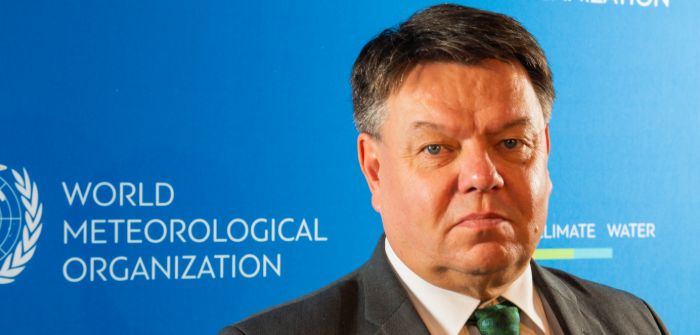
Petteri Taalas, WMO secretary-general - credit: WMO
Share
LinkedIn Facebook Twitter Email

The World Meteorological Organization (WMO) and the UN Office for Disaster Risk Reduction have unveiled a new Centre of Excellence for Climate and Disaster Resilience.

The establishment of the center cements the long-standing collaboration between the two organizations and will look to address widening resilience gap between rich and poor nations.

Petteri Taalas, WMO secretary-general, said, “This new Centre of Excellence for Climate and Disaster Resilience will act as an information hub about the escalating impacts of climate change and extreme weather and how we can manage and mitigate these risks. Over the last 50 years there has been a five-fold increase in recorded weather-, climate- and water-related hazards. Economic losses have soared. The good news is that, thanks to improved early warnings and disaster management, the number of deaths decreased almost three-fold.

“This year’s devastating floods in Europe and the deadly heatwave in North America have shown that developed and developing countries alike are exposed. But there is an ever-widening resilience gap between rich and poor nations that lack multi-hazard early warning systems. We hope that the Centre of Excellence will strengthen our efforts to transform scientific knowledge and tools into action supporting climate change mitigation and adaptation, with concrete benefits for society,” he said.

Mami Mizutori, the UN secretary-general’s special representative for disaster risk reduction, said, “This new center of excellence will concentrate minds on what extreme weather and other hazards mean for daily life on planet Earth for the foreseeable future and spur efforts to adapt and cope with that reality. Both WMO and the UN Office for Disaster Risk Reduction now share the same premises and will work more closely than ever before. Both UN agencies realize that climate change is no longer simply about the weather and its impact. We aim to do a much better job of explaining to governments and civil society how extreme weather interacts with other drivers of disaster risk to amplify disaster impacts in unprecedented ways.

“Disaster risk is systemic and deeply embedded in our development processes. It arises from weak governance, poverty, poor land use planning, environmental degradation, disease outbreaks and greenhouse gas emissions.

“The center of excellence will also promote efforts to better understand the importance of improving the collection of loss and damage data especially in developing countries so policymakers can invest scarce resources in the right areas to mitigate and prevent future disaster events and to reduce existing levels of risk. This will help to guide international cooperation to developing countries desperately in need of financial support for climate change adaptation and improved disaster risk management,” she said.

The Centre of Excellence for Climate and Disaster Resilience will convene climate and disaster risk thought-leaders and practitioners to advance joint-research, policies and capacity-building, in a manner that will influence and strengthen existing national adaptation plans in line with the Paris Agreement, and national disaster risk reduction strategies in line with the Sendai Framework for Disaster Risk Reduction.

Particular attention will be paid to the needs of least developed countries, small island developing states and land-locked developing countries, many of which do not have access to multi-hazard early warning systems and lack the means to implement a national strategy for disaster risk reduction.

Previous ArticleWMO report warns of “looming water crisis”
Next Article Revamped Climate.gov website hailed as “America’s public gateway to climate literacy”

Read Similar Stories

Extreme Weather

AI model improves real-time prediction of wildfire spread

April 16, 20263 Mins Read
Climate Measurement

Study identifies atmospheric trigger behind flash droughts in Puerto Rico

April 15, 20263 Mins Read
Climate Measurement

Regional training aims to improve flood forecasting in Central Africa

April 1, 20263 Mins Read
Latest News

Northumbria University secures £4m to study Earth’s radiation belts

April 16, 2026

AI model improves real-time prediction of wildfire spread

April 16, 2026

Study identifies atmospheric trigger behind flash droughts in Puerto Rico

April 15, 2026

Receive breaking stories and features in your inbox each week, for free


Enter your email address:


Supplier Spotlights
  • Senseca
Getting in Touch
  • Contact Us / Advertise
  • Meet the Editors
  • Media Pack
  • Free Weekly E-Newsletter
Our Social Channels
  • Facebook
  • LinkedIn
© 2026 UKi Media & Events a division of UKIP Media & Events Ltd
  • Cookie Policy
  • Privacy Policy
  • Terms and Conditions
  • Notice and Takedown Policy

Type above and press Enter to search. Press Esc to cancel.