

Close Menu
Meteorological Technology International
  • News
    • A-E
      • Agriculture
      • Automated Weather Stations
      • Aviation
      • Climate Measurement
      • Data
      • Developing Countries
      • Digital Applications
      • Early Warning Systems
      • Extreme Weather
    • G-P
      • Hydrology
      • Lidar
      • Lightning Detection
      • New Appointments
      • Nowcasting
      • Numerical Weather Prediction
      • Polar Weather
    • R-S
      • Radar
      • Rainfall
      • Remote Sensing
      • Renewable Energy
      • Satellites
      • Solar
      • Space Weather
      • Supercomputers
    • T-Z
      • Training
      • Transport
      • Weather Instruments
      • Wind
      • World Meteorological Organization
      • Meteorological Technology World Expo
  • Features
  • Online Magazines
    • January 2026
    • April 2025
    • January 2025
    • September 2024
    • April 2024
    • Archive Issues
    • Subscribe Free!
  • Opinion
  • Videos
  • Supplier Spotlight
  • Expo
LinkedIn X (Twitter) Facebook
  • Sign-up for Free Weekly E-Newsletter
  • Meet the Editors
  • Contact Us
  • Media Pack
LinkedIn Facebook
Subscribe
Meteorological Technology International
  • News
      • Agriculture
      • Automated Weather Stations
      • Aviation
      • Climate Measurement
      • Data
      • Developing Countries
      • Digital Applications
      • Early Warning Systems
      • Extreme Weather
      • Hydrology
      • Lidar
      • Lightning Detection
      • New Appointments
      • Nowcasting
      • Numerical Weather Prediction
      • Polar Weather
      • Radar
      • Rainfall
      • Remote Sensing
      • Renewable Energy
      • Satellites
      • Solar
      • Space Weather
      • Supercomputers
      • Training
      • Transport
      • Weather Instruments
      • Wind
      • World Meteorological Organization
      • Meteorological Technology World Expo
  • Features
  • Online Magazines
    1. January 2026
    2. September 2025
    3. April 2025
    4. January 2025
    5. September 2024
    6. April 2024
    7. January 2024
    8. September 2023
    9. April 2023
    10. Archive Issues
    11. Subscribe Free!
    Featured
    November 27, 2025

    In this Issue – January 2026

    By Hazel KingNovember 27, 2025
    Recent

    In this Issue – January 2026

    November 27, 2025

    In this Issue – September 2025

    August 11, 2025

    In this Issue – April 2025

    April 15, 2025
  • Opinion
  • Videos
  • Supplier Spotlight
  • Expo
Facebook LinkedIn
Subscribe
Meteorological Technology International
Early Warning Systems

NZ utility partners with IBM to predict weather-related power cuts

Paul WillisBy Paul WillisDecember 3, 20192 Mins Read
Share LinkedIn Facebook Twitter Email
Share
LinkedIn Facebook Twitter Email

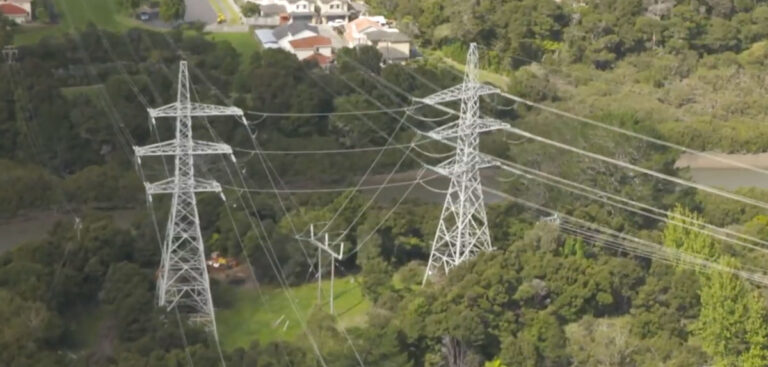
IBM has partnered with the New Zealand-based energy provider Vector Energy to help the utility better predict the impact of weather on outages.

Through its subsidiary The Weather Company, IBM has provided Vector with artificial intelligence (AI) and data-driven analytics tools that it says will help the company drive down the number of weather-related outages, which it says account for 70% of all outages.

IBM has been working with Vector for the past 18 months on the system, a pilot of which went live in Auckland this October.

The analytics tools help in two keys areas vital for preventing outages. The first is vegetation management and the second is predicting where line failures are likely so that crews can be deployed quickly and effectively.

For vegetation management, IBM’s AI system analyzes aerial footage sourced from drones, airplanes or satellites to tell which power lines are at risk of being knocked out by tree branches brought down in a storm.

“Before the storms ever get there, we tell them, ‘Here’s where you should trim in advance.’ So that 12 months out, we can say where they should be trimming trees and vegetation and where the worst spots are,” said Robbie Berglund, a manager for energy and utilities at IBM.

The second technology solution predicts weather-induced outages by analyzing historical data from previous storms and outages, and combining the insights the analysis provides with weather forecasts that update every 15 minutes. Through this approach the tool can proactively identify outage risks across the utility’s network up to 72 hours in advance.

Duncan Head, Vector’s group manager for information and insights, said he was confident “this technology will make extreme weather events more manageable and less disruptive for our customers”.

Previous ArticleNew HMEI chair shares plans for the future
Next Article New high-tech buoy can forecast earthquakes and tsunamis

Read Similar Stories

Climate Measurement

China inaugurates 27th national climate observatory in Hebei

April 9, 20262 Mins Read
Solar

Mauna Loa Solar Observatory reopens to support Artemis II mission

April 8, 20262 Mins Read
Climate Measurement

Regional training aims to improve flood forecasting in Central Africa

April 1, 20263 Mins Read
Latest News

Northumbria University secures £4m to study Earth’s radiation belts

April 16, 2026

AI model improves real-time prediction of wildfire spread

April 16, 2026

Study identifies atmospheric trigger behind flash droughts in Puerto Rico

April 15, 2026

Receive breaking stories and features in your inbox each week, for free


Enter your email address:


Supplier Spotlights
  • EUMETSAT
Getting in Touch
  • Contact Us / Advertise
  • Meet the Editors
  • Media Pack
  • Free Weekly E-Newsletter
Our Social Channels
  • Facebook
  • LinkedIn
© 2026 UKi Media & Events a division of UKIP Media & Events Ltd
  • Cookie Policy
  • Privacy Policy
  • Terms and Conditions
  • Notice and Takedown Policy

Type above and press Enter to search. Press Esc to cancel.