

Close Menu
Meteorological Technology International
  • News
    • A-E
      • Agriculture
      • Automated Weather Stations
      • Aviation
      • Climate Measurement
      • Data
      • Developing Countries
      • Digital Applications
      • Early Warning Systems
      • Extreme Weather
    • G-P
      • Hydrology
      • Lidar
      • Lightning Detection
      • New Appointments
      • Nowcasting
      • Numerical Weather Prediction
      • Polar Weather
    • R-S
      • Radar
      • Rainfall
      • Remote Sensing
      • Renewable Energy
      • Satellites
      • Solar
      • Space Weather
      • Supercomputers
    • T-Z
      • Training
      • Transport
      • Weather Instruments
      • Wind
      • World Meteorological Organization
      • Meteorological Technology World Expo
  • Features
  • Online Magazines
    • January 2026
    • April 2025
    • January 2025
    • September 2024
    • April 2024
    • Archive Issues
    • Subscribe Free!
  • Opinion
  • Videos
  • Supplier Spotlight
  • Expo
LinkedIn X (Twitter) Facebook
  • Sign-up for Free Weekly E-Newsletter
  • Meet the Editors
  • Contact Us
  • Media Pack
LinkedIn Facebook
Subscribe
Meteorological Technology International
  • News
      • Agriculture
      • Automated Weather Stations
      • Aviation
      • Climate Measurement
      • Data
      • Developing Countries
      • Digital Applications
      • Early Warning Systems
      • Extreme Weather
      • Hydrology
      • Lidar
      • Lightning Detection
      • New Appointments
      • Nowcasting
      • Numerical Weather Prediction
      • Polar Weather
      • Radar
      • Rainfall
      • Remote Sensing
      • Renewable Energy
      • Satellites
      • Solar
      • Space Weather
      • Supercomputers
      • Training
      • Transport
      • Weather Instruments
      • Wind
      • World Meteorological Organization
      • Meteorological Technology World Expo
  • Features
  • Online Magazines
    1. January 2026
    2. September 2025
    3. April 2025
    4. January 2025
    5. September 2024
    6. April 2024
    7. January 2024
    8. September 2023
    9. April 2023
    10. Archive Issues
    11. Subscribe Free!
    Featured
    November 27, 2025

    In this Issue – January 2026

    By Hazel KingNovember 27, 2025
    Recent

    In this Issue – January 2026

    November 27, 2025

    In this Issue – September 2025

    August 11, 2025

    In this Issue – April 2025

    April 15, 2025
  • Opinion
  • Videos
  • Supplier Spotlight
  • Expo
Facebook LinkedIn
Subscribe
Meteorological Technology International
Climate Measurement

Taiwan study aims to uncover how landslides affect climate

Paul WillisBy Paul WillisNovember 27, 20192 Mins Read
Share LinkedIn Facebook Twitter Email
Share
LinkedIn Facebook Twitter Email

A large-scale research project is endeavouring to understand the complex relationship between landslides and CO2 emissions in order to understand their impact on the climate.

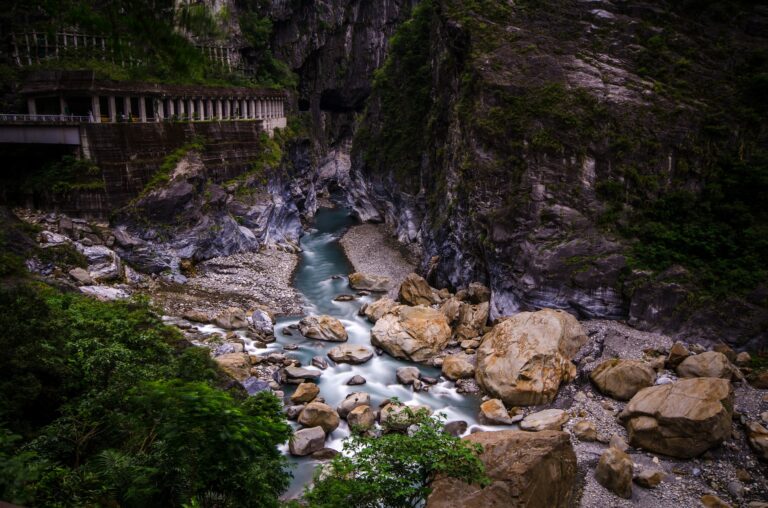
The project is taking place in Taiwan’s Taroko National Park, a landslide hotspot, and is being undertaken by researchers from the GFZ German Research Centre for Geosciences in Potsdam, Science Mag reports.

According to the online publication the research team will monitor landslides in the national park in order to gain a better understanding of what triggers them. But a wider goal of the project is to gain insight into landslides’ hidden role as chemical reactors, sometimes sequestering CO2 and sometimes releasing it into the atmosphere.

This is linked to landslides’ role in chemical weathering, the interaction between water and rocks freshly exposed to erosion. Chemical weathering can either produce or sequester CO2 depending on the chemical components of the rocks involved.

Landslides, meanwhile, speed up chemical weathering by bringing underground rocks to the surface and by grinding rocks into smaller pieces, thereby increasing their surface area.

As part of the project the team will construct a $600,000 observatory that will include more than 120 sensors spread across hundreds of square miles of national park.

Seismometers and cameras will monitor landslides, which are so common in the park that Taroko officials routinely hand out safety helmets to visitors for free. The research will help scientists understand not only what triggers landslides but also how landscapes recover.

For example, a devastating 7.6-magnitude earthquake that struck central Taiwan in 1999 led to a 20-fold increase in landslides near the quake’s epicenter.

This is not surprising, since it is well-known that earthquakes increase the likelihood of landslides by weakening the ground in the regions where they strike.

More surprisingly, landslide rates returned to normal a few years later, suggesting that the ground had somehow re-stabilized itself.

Previous ArticleAfter decades of slowing down, global windspeeds are picking up
Next Article Wind forecasts improved by new ESA observation satellite

Read Similar Stories

Climate Measurement

Study identifies atmospheric trigger behind flash droughts in Puerto Rico

April 15, 20263 Mins Read
Satellites

AI tool uses weather satellite data to map ocean currents in near real time

April 14, 20263 Mins Read
Climate Measurement

New tool speeds up climate model evaluation

April 13, 20262 Mins Read
Latest News

Northumbria University secures £4m to study Earth’s radiation belts

April 16, 2026

AI model improves real-time prediction of wildfire spread

April 16, 2026

Study identifies atmospheric trigger behind flash droughts in Puerto Rico

April 15, 2026

Receive breaking stories and features in your inbox each week, for free


Enter your email address:


Supplier Spotlights
  • REMTECH
Getting in Touch
  • Contact Us / Advertise
  • Meet the Editors
  • Media Pack
  • Free Weekly E-Newsletter
Our Social Channels
  • Facebook
  • LinkedIn
© 2026 UKi Media & Events a division of UKIP Media & Events Ltd
  • Cookie Policy
  • Privacy Policy
  • Terms and Conditions
  • Notice and Takedown Policy

Type above and press Enter to search. Press Esc to cancel.