

Close Menu
Meteorological Technology International
  • News
    • A-E
      • Agriculture
      • Automated Weather Stations
      • Aviation
      • Climate Measurement
      • Data
      • Developing Countries
      • Digital Applications
      • Early Warning Systems
      • Extreme Weather
    • G-P
      • Hydrology
      • Lidar
      • Lightning Detection
      • New Appointments
      • Nowcasting
      • Numerical Weather Prediction
      • Polar Weather
    • R-S
      • Radar
      • Rainfall
      • Remote Sensing
      • Renewable Energy
      • Satellites
      • Solar
      • Space Weather
      • Supercomputers
    • T-Z
      • Training
      • Transport
      • Weather Instruments
      • Wind
      • World Meteorological Organization
      • Meteorological Technology World Expo
  • Features
  • Online Magazines
    • January 2026
    • April 2025
    • January 2025
    • September 2024
    • April 2024
    • Archive Issues
    • Subscribe Free!
  • Opinion
  • Videos
  • Supplier Spotlight
  • Expo
LinkedIn X (Twitter) Facebook
  • Sign-up for Free Weekly E-Newsletter
  • Meet the Editors
  • Contact Us
  • Media Pack
LinkedIn Facebook
Subscribe
Meteorological Technology International
  • News
      • Agriculture
      • Automated Weather Stations
      • Aviation
      • Climate Measurement
      • Data
      • Developing Countries
      • Digital Applications
      • Early Warning Systems
      • Extreme Weather
      • Hydrology
      • Lidar
      • Lightning Detection
      • New Appointments
      • Nowcasting
      • Numerical Weather Prediction
      • Polar Weather
      • Radar
      • Rainfall
      • Remote Sensing
      • Renewable Energy
      • Satellites
      • Solar
      • Space Weather
      • Supercomputers
      • Training
      • Transport
      • Weather Instruments
      • Wind
      • World Meteorological Organization
      • Meteorological Technology World Expo
  • Features
  • Online Magazines
    1. January 2026
    2. September 2025
    3. April 2025
    4. January 2025
    5. September 2024
    6. April 2024
    7. January 2024
    8. September 2023
    9. April 2023
    10. Archive Issues
    11. Subscribe Free!
    Featured
    November 27, 2025

    In this Issue – January 2026

    By Hazel KingNovember 27, 2025
    Recent

    In this Issue – January 2026

    November 27, 2025

    In this Issue – September 2025

    August 11, 2025

    In this Issue – April 2025

    April 15, 2025
  • Opinion
  • Videos
  • Supplier Spotlight
  • Expo
Facebook LinkedIn
Subscribe
Meteorological Technology International
Climate Measurement

Record high of 18.3°C set on Antarctic peninsula

Paul WillisBy Paul WillisFebruary 18, 20203 Mins Read
Share LinkedIn Facebook Twitter Email
Share
LinkedIn Facebook Twitter Email

A record temperature high has been set in the Antarctic peninsula, with researchers measuring a temperature of 18.3°C.

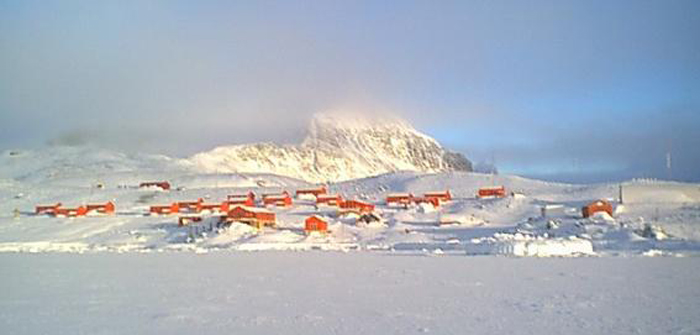
The record heat, recorded on the northern tip of the peninsula on February 6 by the Argentine research base Esperanza, was significantly warmer than the previous record of 17.5°C, set in March 2015.

Although it is unclear the long-term role that climate change may have played in the record high, in the short-term it is likely associated with a local weather phenomenon known as a ‘foehn’ event, a rapid warming of air coming down a mountainous slope, according to Randall Cerveny, the WMO’s weather and climate extremes rapporteur.

A committee of the WMO Archive of Weather and Climate Extremes (AWCE) will now attempt to verify the record. Cerveny said, “Everything we have seen thus far indicates a likely legitimate record but we will of course begin a formal evaluation of the record once we have full data from SMN (Servicio Meteorológico Nacional – Argentina’s national meteorological service) and on the meteorological conditions surrounding the event.”

In what has been a particularly balmy Antarctic summer the new record was followed a few days later by media reports of new temperature high of 20.75°C for the Antarctic region.

If verified, the record obtained by Brazilian researchers from a monitoring station on Seymour Island, part of a chain of islands off the Antarctic peninsula, would represent the first time that temperatures for the Antarctic region have exceeded 20°C. (The previous record for the Antarctic region – everywhere south of 60 degrees latitude – is currently 19.8C, obtained on Signy Island in January 1982.)

With the WMO seeking the raw temperature data for the Seymour Island monitoring station, Cerveny believes it is premature to speak of a new record at this stage: “We first need to analyse the very important station metadata, e.g. location, type of equipment, measurement practices, calibration of the instruments, etc. from the researchers involved. Once we have those data, we can begin a formal evaluation as to the observation’s validity.”

Cerveny says because this process “does not happen quickly” it would likely be some time before the AWCE committee can give their verdict on the potential record.

The Antarctic Peninsula, which is the northwest tip of Antarctica, protruding in the direction of South America, is one of the fastest warming regions on the planet. Temperatures there have increased nearly 3°C in the last 50 years.

Meanwhile, the amount of ice lost annually from the Antarctic ice sheet has increased at least six-fold between 1979 and 2017.

Previous ArticleNew ocean and sea ice variables boost scope of global weather database
Next Article NOAA to add two oceanographic vessels to fleet

Read Similar Stories

Extreme Weather

AI model improves real-time prediction of wildfire spread

April 16, 20263 Mins Read
Climate Measurement

Study identifies atmospheric trigger behind flash droughts in Puerto Rico

April 15, 20263 Mins Read
Satellites

AI tool uses weather satellite data to map ocean currents in near real time

April 14, 20263 Mins Read
Latest News

Northumbria University secures £4m to study Earth’s radiation belts

April 16, 2026

AI model improves real-time prediction of wildfire spread

April 16, 2026

Study identifies atmospheric trigger behind flash droughts in Puerto Rico

April 15, 2026

Receive breaking stories and features in your inbox each week, for free


Enter your email address:


Supplier Spotlights
  • ROTRONIC AG
Getting in Touch
  • Contact Us / Advertise
  • Meet the Editors
  • Media Pack
  • Free Weekly E-Newsletter
Our Social Channels
  • Facebook
  • LinkedIn
© 2026 UKi Media & Events a division of UKIP Media & Events Ltd
  • Cookie Policy
  • Privacy Policy
  • Terms and Conditions
  • Notice and Takedown Policy

Type above and press Enter to search. Press Esc to cancel.