


Close Menu
Meteorological Technology International
  • News
    • A-E
      • Agriculture
      • Automated Weather Stations
      • Aviation
      • Climate Measurement
      • Data
      • Developing Countries
      • Digital Applications
      • Early Warning Systems
      • Extreme Weather
    • G-P
      • Hydrology
      • Lidar
      • Lightning Detection
      • New Appointments
      • Nowcasting
      • Numerical Weather Prediction
      • Polar Weather
    • R-S
      • Radar
      • Rainfall
      • Remote Sensing
      • Renewable Energy
      • Satellites
      • Solar
      • Space Weather
      • Supercomputers
    • T-Z
      • Training
      • Transport
      • Weather Instruments
      • Wind
      • World Meteorological Organization
      • Meteorological Technology World Expo
  • Features
  • Online Magazines
    • January 2026
    • April 2025
    • January 2025
    • September 2024
    • April 2024
    • Archive Issues
    • Subscribe Free!
  • Opinion
  • Videos
  • Supplier Spotlight
  • Expo
LinkedIn X (Twitter) Facebook
  • Sign-up for Free Weekly E-Newsletter
  • Meet the Editors
  • Contact Us
  • Media Pack
LinkedIn Facebook
Subscribe
Meteorological Technology International
  • News
      • Agriculture
      • Automated Weather Stations
      • Aviation
      • Climate Measurement
      • Data
      • Developing Countries
      • Digital Applications
      • Early Warning Systems
      • Extreme Weather
      • Hydrology
      • Lidar
      • Lightning Detection
      • New Appointments
      • Nowcasting
      • Numerical Weather Prediction
      • Polar Weather
      • Radar
      • Rainfall
      • Remote Sensing
      • Renewable Energy
      • Satellites
      • Solar
      • Space Weather
      • Supercomputers
      • Training
      • Transport
      • Weather Instruments
      • Wind
      • World Meteorological Organization
      • Meteorological Technology World Expo
  • Features
  • Online Magazines
    1. January 2026
    2. September 2025
    3. April 2025
    4. January 2025
    5. September 2024
    6. April 2024
    7. January 2024
    8. September 2023
    9. April 2023
    10. Archive Issues
    11. Subscribe Free!
    Featured
    November 27, 2025

    In this Issue – January 2026

    By Hazel KingNovember 27, 2025
    Recent

    In this Issue – January 2026

    November 27, 2025

    In this Issue – September 2025

    August 11, 2025

    In this Issue – April 2025

    April 15, 2025
  • Opinion
  • Videos
  • Supplier Spotlight
  • Expo
Facebook LinkedIn
Subscribe
Meteorological Technology International
Climate Measurement

NOAA launches pilot project to support Alaskan Tribal climate resilience

Elizabeth BakerBy Elizabeth BakerAugust 23, 20223 Mins Read
Share LinkedIn Facebook Twitter Email
Share
LinkedIn Facebook Twitter Email

NOAA and Tribal health organization Alaska Native Tribal Health Consortium (ANTHC) have launched a pilot project to assess the Alaskan landscape for climate change challenges and potential resilience strategies for native communities.

The project, ‘Expanding and Connecting Tribal-Led Climate Change Capacity to Serve Indigenous Community Needs in Alaska,’ will establish a director of Tribal climate change initiatives position at ANTHC to leverage statewide relationships with Tribes. The US$279,088 project includes a US$258,000 NOAA investment in FY 2022, with ANTHC providing the balance through in-kind services.

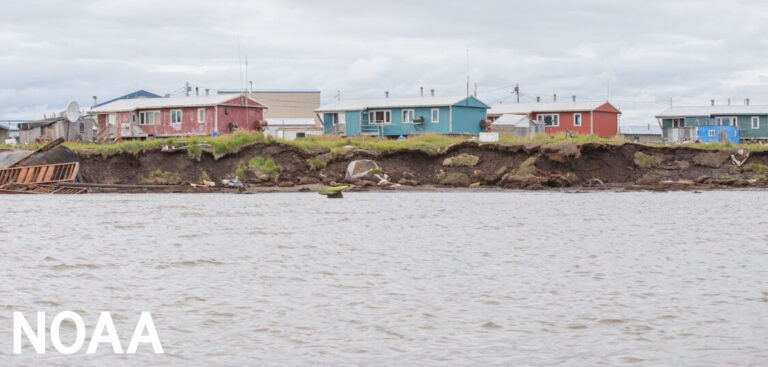
The project was developed in response to feedback received during a 2021 climate and equity roundtable. Participants focused on climate equity (the concept of ensuring that communities that bear unequal burdens created by climate change have the resources needed to build resilience and adapt to change), community health and well-being and barriers Alaska Native communities face in accessing needed resources. Addressing environmental threats that are worsening with climate change, including food security, extreme flooding and erosion and melting permafrost, were identified as high priorities.

The project aims to accomplish three objectives. The first is to conduct a landscape assessment of Tribal climate change adaptation activities in Alaska and establish a baseline understanding of Tribal climate change challenges and responses. Next, the organization intends to formulate and launch an Alaska Tribal Climate Change Advisory Group to ensure that Tribal climate change efforts across the state are led and prioritized by Alaska Native people. The third stage will include leading the Tribal review and publication of the Unmet Needs of Environmentally Threatened Alaska Native Villages Report, which will inform NOAA and other agency investment priorities.

Don Graves, the US Deputy Secretary of Commerce, said, “The Department of Commerce takes seriously its responsibility to engage with Tribal partners, and this innovative pilot project is an example of this commitment. Bringing together NOAA’s climate data and tools with the equity, health and service delivery expertise of ANTHC will help ensure Alaska Native communities have the resources to make informed decisions in the face of climate risks.”

Valerie Nurr’araaluk Davidson, president and CEO of ANTHC, said, “We recognize that our strength and resilience comes from our ability to work together to solve problems. Erosion, flooding and melting permafrost continue to threaten Alaska Native communities, impacting the culture, and the ability to hunt and gather food to nourish our loved ones. Through partnerships with NOAA and their continued efforts, we can address the environmental issues that worsen with climate change.”

Rick Spinrad, NOAA administrator, said, “NOAA hears loud and clear that Alaska Native perspectives, voices and leadership must drive climate change conversations and action for Tribal communities across Alaska. This project is about establishing a partnership based on trust, mutual respect, deep listening and meaningful follow-through in order to realize positive changes in achieving climate equity. NOAA is proud to work directly with ANTHC on this project to build trusted relationships and meaningful partnerships with Tribes and other Tribal Organizations in order to address barriers and improve Tribal community resilience to climate change across Alaska.”

Previous ArticleNational Center for Atmospheric Research provides wildfire research guidance
Next Article Atlantic Ocean air pressure gradient causes up to 50% variety in Himalayan winter precipitation, University of Reading finds

Read Similar Stories

Extreme Weather

AI model improves real-time prediction of wildfire spread

April 16, 20263 Mins Read
Climate Measurement

Study identifies atmospheric trigger behind flash droughts in Puerto Rico

April 15, 20263 Mins Read
Satellites

AI tool uses weather satellite data to map ocean currents in near real time

April 14, 20263 Mins Read
Latest News

Northumbria University secures £4m to study Earth’s radiation belts

April 16, 2026

AI model improves real-time prediction of wildfire spread

April 16, 2026

Study identifies atmospheric trigger behind flash droughts in Puerto Rico

April 15, 2026

Receive breaking stories and features in your inbox each week, for free


Enter your email address:


Supplier Spotlights
  • Meteomatics AG
Getting in Touch
  • Contact Us / Advertise
  • Meet the Editors
  • Media Pack
  • Free Weekly E-Newsletter
Our Social Channels
  • Facebook
  • LinkedIn
© 2026 UKi Media & Events a division of UKIP Media & Events Ltd
  • Cookie Policy
  • Privacy Policy
  • Terms and Conditions
  • Notice and Takedown Policy

Type above and press Enter to search. Press Esc to cancel.