


Close Menu
Meteorological Technology International
  • News
    • A-E
      • Agriculture
      • Automated Weather Stations
      • Aviation
      • Climate Measurement
      • Data
      • Developing Countries
      • Digital Applications
      • Early Warning Systems
      • Extreme Weather
    • G-P
      • Hydrology
      • Lidar
      • Lightning Detection
      • New Appointments
      • Nowcasting
      • Numerical Weather Prediction
      • Polar Weather
    • R-S
      • Radar
      • Rainfall
      • Remote Sensing
      • Renewable Energy
      • Satellites
      • Solar
      • Space Weather
      • Supercomputers
    • T-Z
      • Training
      • Transport
      • Weather Instruments
      • Wind
      • World Meteorological Organization
      • Meteorological Technology World Expo
  • Features
  • Online Magazines
    • January 2026
    • April 2025
    • January 2025
    • September 2024
    • April 2024
    • Archive Issues
    • Subscribe Free!
  • Opinion
  • Videos
  • Supplier Spotlight
  • Expo
LinkedIn X (Twitter) Facebook
  • Sign-up for Free Weekly E-Newsletter
  • Meet the Editors
  • Contact Us
  • Media Pack
LinkedIn Facebook
Subscribe
Meteorological Technology International
  • News
      • Agriculture
      • Automated Weather Stations
      • Aviation
      • Climate Measurement
      • Data
      • Developing Countries
      • Digital Applications
      • Early Warning Systems
      • Extreme Weather
      • Hydrology
      • Lidar
      • Lightning Detection
      • New Appointments
      • Nowcasting
      • Numerical Weather Prediction
      • Polar Weather
      • Radar
      • Rainfall
      • Remote Sensing
      • Renewable Energy
      • Satellites
      • Solar
      • Space Weather
      • Supercomputers
      • Training
      • Transport
      • Weather Instruments
      • Wind
      • World Meteorological Organization
      • Meteorological Technology World Expo
  • Features
  • Online Magazines
    1. January 2026
    2. September 2025
    3. April 2025
    4. January 2025
    5. September 2024
    6. April 2024
    7. January 2024
    8. September 2023
    9. April 2023
    10. Archive Issues
    11. Subscribe Free!
    Featured
    November 27, 2025

    In this Issue – January 2026

    By Hazel KingNovember 27, 2025
    Recent

    In this Issue – January 2026

    November 27, 2025

    In this Issue – September 2025

    August 11, 2025

    In this Issue – April 2025

    April 15, 2025
  • Opinion
  • Videos
  • Supplier Spotlight
  • Expo
Facebook LinkedIn
Subscribe
Meteorological Technology International
Climate Measurement

Australia records fourth-warmest year in 2025, Bureau of Meteorology says

Alex PackBy Alex PackFebruary 13, 20262 Mins Read
Share LinkedIn Facebook Twitter Email
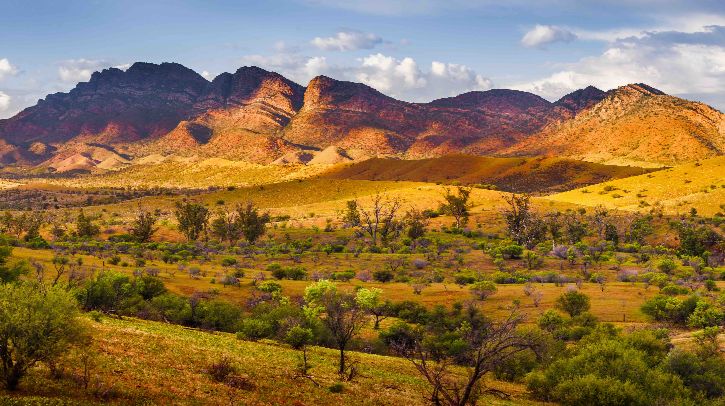
A scenic shot of the Australian Outback with some bushes in teh foreground, dry grass and rolling hills and peaks in the distance.
Share
LinkedIn Facebook Twitter Email

The Australian Bureau of Meteorology has released its Annual Climate Statement for 2025, confirming above-average temperatures across most of Australia and mixed rainfall totals during the year.

The report, which provides the official national record for temperature, rainfall, water resources, oceans, atmosphere and notable weather events, follows a preliminary summary issued in January 2026.

Australia recorded its fourth-warmest year on record in 2025, with the national annual average temperature 1.23°C above the long-term average. Maximum temperatures were 1.48°C above average, ranking equal fourth-warmest, while minimum temperatures were 0.98°C above average, ranking eighth-warmest.

Climatology specialist Nadine D’Argent said above-average national temperatures were recorded in every month of the year. “Heatwave conditions affected large parts of the country between January and March, and again from October to December,” she said.

“January, February, March and October were within the top five warmest on record for their respective months, and it was the warmest March on record. This continues the warming trend over recent decades as observed in State of the Climate 2024.”

She added that warming in Australia is consistent with global trends, though some regions recorded cooler-than-average minimum temperatures during winter.

National rainfall in 2025 totaled 503mm, about 8% above average. Northern Australia experienced above-average rainfall during the 2024–25 wet season despite a dry January caused by a late monsoon onset. The start of the 2025–26 wet season was also wetter than average due to tropical cyclones Fina and Hayley and the arrival of the monsoon in mid-December.

In contrast, cool-season rainfall across southern Australia was generally below average, with some areas recording totals in the lowest 10% on record.

Total surface water storage across Australia declined by 5% during the year to 68% of accessible capacity, with the Murray–Darling Basin falling 14% to 62%. Soil moisture remained below average across much of southern Australia but above average in northern regions and coastal New South Wales.

Sea surface temperatures in the Australian region were the warmest on record for a second consecutive year, reaching 0.93°C above average. Antarctic sea ice extent remained historically low, ranking fourth lowest for summer and third lowest for winter, according to the Bureau.

Related news, Probability-based forecasting central to future weather prediction, Met Office says

Previous ArticleERM and Jupiter Intelligence partner on climate risk analytics and resilience planning
Next Article SAMS academy launches new courses on using robotics for environmental data collection

Read Similar Stories

Extreme Weather

AI model improves real-time prediction of wildfire spread

April 16, 20263 Mins Read
Climate Measurement

Study identifies atmospheric trigger behind flash droughts in Puerto Rico

April 15, 20263 Mins Read
Satellites

AI tool uses weather satellite data to map ocean currents in near real time

April 14, 20263 Mins Read
Latest News

Northumbria University secures £4m to study Earth’s radiation belts

April 16, 2026

AI model improves real-time prediction of wildfire spread

April 16, 2026

Study identifies atmospheric trigger behind flash droughts in Puerto Rico

April 15, 2026

Receive breaking stories and features in your inbox each week, for free


Enter your email address:


Supplier Spotlights
  • LCJ Capteurs
Getting in Touch
  • Contact Us / Advertise
  • Meet the Editors
  • Media Pack
  • Free Weekly E-Newsletter
Our Social Channels
  • Facebook
  • LinkedIn
© 2026 UKi Media & Events a division of UKIP Media & Events Ltd
  • Cookie Policy
  • Privacy Policy
  • Terms and Conditions
  • Notice and Takedown Policy

Type above and press Enter to search. Press Esc to cancel.