


Close Menu
Meteorological Technology International
  • News
    • A-E
      • Agriculture
      • Automated Weather Stations
      • Aviation
      • Climate Measurement
      • Data
      • Developing Countries
      • Digital Applications
      • Early Warning Systems
      • Extreme Weather
    • G-P
      • Hydrology
      • Lidar
      • Lightning Detection
      • New Appointments
      • Nowcasting
      • Numerical Weather Prediction
      • Polar Weather
    • R-S
      • Radar
      • Rainfall
      • Remote Sensing
      • Renewable Energy
      • Satellites
      • Solar
      • Space Weather
      • Supercomputers
    • T-Z
      • Training
      • Transport
      • Weather Instruments
      • Wind
      • World Meteorological Organization
      • Meteorological Technology World Expo
  • Features
  • Online Magazines
    • January 2026
    • April 2025
    • January 2025
    • September 2024
    • April 2024
    • Archive Issues
    • Subscribe Free!
  • Opinion
  • Videos
  • Supplier Spotlight
  • Expo
LinkedIn X (Twitter) Facebook
  • Sign-up for Free Weekly E-Newsletter
  • Meet the Editors
  • Contact Us
  • Media Pack
LinkedIn Facebook
Subscribe
Meteorological Technology International
  • News
      • Agriculture
      • Automated Weather Stations
      • Aviation
      • Climate Measurement
      • Data
      • Developing Countries
      • Digital Applications
      • Early Warning Systems
      • Extreme Weather
      • Hydrology
      • Lidar
      • Lightning Detection
      • New Appointments
      • Nowcasting
      • Numerical Weather Prediction
      • Polar Weather
      • Radar
      • Rainfall
      • Remote Sensing
      • Renewable Energy
      • Satellites
      • Solar
      • Space Weather
      • Supercomputers
      • Training
      • Transport
      • Weather Instruments
      • Wind
      • World Meteorological Organization
      • Meteorological Technology World Expo
  • Features
  • Online Magazines
    1. January 2026
    2. September 2025
    3. April 2025
    4. January 2025
    5. September 2024
    6. April 2024
    7. January 2024
    8. September 2023
    9. April 2023
    10. Archive Issues
    11. Subscribe Free!
    Featured
    November 27, 2025

    In this Issue – January 2026

    By Hazel KingNovember 27, 2025
    Recent

    In this Issue – January 2026

    November 27, 2025

    In this Issue – September 2025

    August 11, 2025

    In this Issue – April 2025

    April 15, 2025
  • Opinion
  • Videos
  • Supplier Spotlight
  • Expo
Facebook LinkedIn
Subscribe
Meteorological Technology International
Climate Measurement

Alaskan permafrost change study gets underway

Lawrence ButcherBy Lawrence ButcherOctober 27, 20203 Mins Read
Share LinkedIn Facebook Twitter Email
Share
LinkedIn Facebook Twitter Email

A new project led by the Institute of Arctic and Alpine Research (INSTAAR) at the University of Colorado Boulder has been launched to engage Indigenous and Western knowledge systems to better understand abrupt permafrost change in Alaska. The US National Science Foundation selected the project as part of its Navigating the New Arctic funding area, one of 10 ‘Big Ideas’ that NSF is investing in as an area of profound national challenge and opportunity.

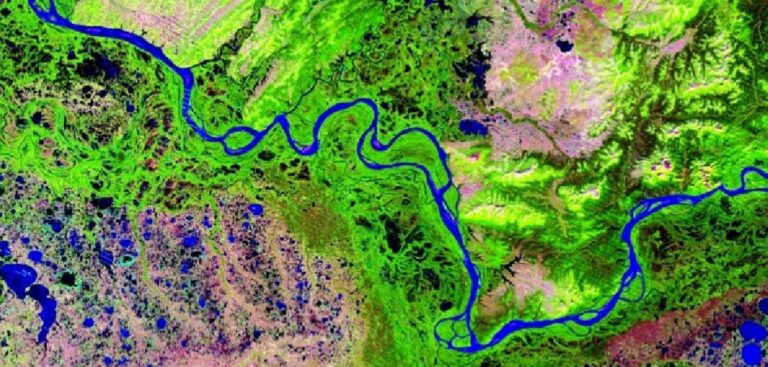
The project will bring Alaskan communities together with social and natural scientists to examine changes in permafrost thaw lake environments, including associated effects on villages in the Yukon River watershed. According to INSTAAR, the combined knowledge will be used to provide forecasts that inform about global climate, landscape change, subsistence activities, food and water security, economy, community planning and cultural practices.

The Institute notes that the Arctic is warming faster than most places on Earth. The permafrost—or frozen soil—that lays under much of its surface is on an inflection point for abrupt thaw. As permafrost thaws, it releases carbon into the atmosphere and alters the landscape. In many places, newly formed lakes dot the land, some emitting bubbles of methane from the underlying lakebed. This creates a feedback loop of even more global warming. Rapid permafrost thaw also has an effect on global climate that climate models do not yet fully take into account.

INSTAAR research associate Tyler Jones is the lead investigator on the project, joined by researchers from the Yukon River Inter-Tribal Watershed Council, Northern Social-Environmental Research, CIRES, CU Mechanical Engineering, and the University of Alaska Fairbanks.

INSTAAR states that the study domain and project goals were defined at the outset by the Yukon River Inter-Tribal Watershed Council and local stakeholders, to focus on lake area change, drinking water quality and frozen transportation corridors—topics identified collectively by communities as critically important. “The council is connected to these communities in a way that we can’t be,” said Jones. “They can help guide our science in a way that is best for each community.”

The project also includes connections with five Indigenous villages in the Yukon River watershed and one village with a diverse population just north of Fairbanks. Project scientists and interns and advisors from Yukon villages will collaborate through the framework of the watershed council, and the associated Indigenous Observation Network (ION), to measure lake area change, water chemistry, the extent of ground melt and methane emissions.

INSTAAR hopes that interviews and participatory mapping with knowledgeable local residents will provide contextual knowledge to supplement these measurements, all of which will be integrated into a permafrost model to provide forecasts of future change.

“The results of the study will be pertinent to native, state and federal entities,” added Jones. “We are working to contribute to both the understanding of global climate dynamics and local societal needs.”

Previous ArticleChina Meteorological Administration analyses typhoon Nangka
Next Article Flash flood warning system for South Asia launched

Read Similar Stories

Climate Measurement

Study identifies atmospheric trigger behind flash droughts in Puerto Rico

April 15, 20263 Mins Read
Satellites

AI tool uses weather satellite data to map ocean currents in near real time

April 14, 20263 Mins Read
Climate Measurement

New tool speeds up climate model evaluation

April 13, 20262 Mins Read
Latest News

Northumbria University secures £4m to study Earth’s radiation belts

April 16, 2026

AI model improves real-time prediction of wildfire spread

April 16, 2026

Study identifies atmospheric trigger behind flash droughts in Puerto Rico

April 15, 2026

Receive breaking stories and features in your inbox each week, for free


Enter your email address:


Supplier Spotlights
  • REMTECH
Getting in Touch
  • Contact Us / Advertise
  • Meet the Editors
  • Media Pack
  • Free Weekly E-Newsletter
Our Social Channels
  • Facebook
  • LinkedIn
© 2026 UKi Media & Events a division of UKIP Media & Events Ltd
  • Cookie Policy
  • Privacy Policy
  • Terms and Conditions
  • Notice and Takedown Policy

Type above and press Enter to search. Press Esc to cancel.