


Close Menu
Meteorological Technology International
  • News
    • A-E
      • Agriculture
      • Automated Weather Stations
      • Aviation
      • Climate Measurement
      • Data
      • Developing Countries
      • Digital Applications
      • Early Warning Systems
      • Extreme Weather
    • G-P
      • Hydrology
      • Lidar
      • Lightning Detection
      • New Appointments
      • Nowcasting
      • Numerical Weather Prediction
      • Polar Weather
    • R-S
      • Radar
      • Rainfall
      • Remote Sensing
      • Renewable Energy
      • Satellites
      • Solar
      • Space Weather
      • Supercomputers
    • T-Z
      • Training
      • Transport
      • Weather Instruments
      • Wind
      • World Meteorological Organization
      • Meteorological Technology World Expo
  • Features
  • Online Magazines
    • January 2026
    • April 2025
    • January 2025
    • September 2024
    • April 2024
    • Archive Issues
    • Subscribe Free!
  • Opinion
  • Videos
  • Supplier Spotlight
  • Expo
LinkedIn X (Twitter) Facebook
  • Sign-up for Free Weekly E-Newsletter
  • Meet the Editors
  • Contact Us
  • Media Pack
LinkedIn Facebook
Subscribe
Meteorological Technology International
  • News
      • Agriculture
      • Automated Weather Stations
      • Aviation
      • Climate Measurement
      • Data
      • Developing Countries
      • Digital Applications
      • Early Warning Systems
      • Extreme Weather
      • Hydrology
      • Lidar
      • Lightning Detection
      • New Appointments
      • Nowcasting
      • Numerical Weather Prediction
      • Polar Weather
      • Radar
      • Rainfall
      • Remote Sensing
      • Renewable Energy
      • Satellites
      • Solar
      • Space Weather
      • Supercomputers
      • Training
      • Transport
      • Weather Instruments
      • Wind
      • World Meteorological Organization
      • Meteorological Technology World Expo
  • Features
  • Online Magazines
    1. January 2026
    2. September 2025
    3. April 2025
    4. January 2025
    5. September 2024
    6. April 2024
    7. January 2024
    8. September 2023
    9. April 2023
    10. Archive Issues
    11. Subscribe Free!
    Featured
    November 27, 2025

    In this Issue – January 2026

    By Hazel KingNovember 27, 2025
    Recent

    In this Issue – January 2026

    November 27, 2025

    In this Issue – September 2025

    August 11, 2025

    In this Issue – April 2025

    April 15, 2025
  • Opinion
  • Videos
  • Supplier Spotlight
  • Expo
Facebook LinkedIn
Subscribe
Meteorological Technology International
Automated Weather Stations

Study finds temperature differences between Reno airport weather station and nearby reference site

Alex PackBy Alex PackMarch 11, 20263 Mins Read
Share LinkedIn Facebook Twitter Email
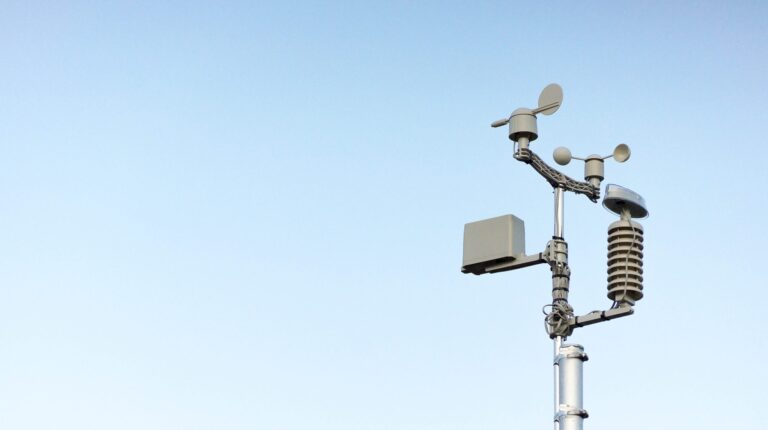
A weather station reaches up into a blue-cloudless sky.
Image: Adobe Stock
Share
LinkedIn Facebook Twitter Email

A new analysis by The Heartland Institute – the USA-based think-tank that has previously criticized mainstream climate science – reports that the official weather station at Reno-Tahoe International Airport records higher temperatures than a nearby reference station, highlighting how station placement and surroundings can influence surface temperature measurements.

The study, titled Global Open Atmospheric Temperature System (GOATS): What Was Accomplished in Reno, compared data from the airport’s automated surface observing system (ASOS) station with an independently operated reference station located about 1.8km away.

According to the report, the ASOS station is positioned between runways and surrounded by paved surfaces and airport infrastructure, while the reference station was installed on a grassy site designed to meet stricter siting standards.

Researchers collected parallel measurements from December 2023 through nearly two full years of operation. They compared daily maximum (Tmax), minimum (Tmin) and average (Tavg) temperatures recorded during 2024 and 2025.

The results show that the airport station consistently recorded higher temperatures than the reference site.

In 2024, the ASOS station recorded daytime highs that averaged 1.35°F warmer and night-time lows that averaged 2.91°F warmer than the reference station. The daily average temperature difference was +2.13°F.

In 2025, the differences were smaller but still present, with daytime highs averaging 0.64°F higher, night-time lows 2.20°F higher and daily average temperatures 1.42°F higher than the reference measurements.

According to the report, the airport station recorded warmer night-time temperatures on more than 90% of nights in both years.

Anthony Watts, senior fellow for environment and climate at The Heartland Institute and creator of the GOATS system, said the results demonstrate how local surroundings can affect temperature readings.

“These measurements demonstrate that station placement alone can introduce a meaningful warm bias into reported temperature data,” Watts said. “When thermometers are placed near heat-retaining surfaces such as asphalt and buildings, they measure the temperature of that environment – not necessarily the broader atmosphere.”

The study attributes the larger differences in night-time temperatures to the ‘urban heat island’ effect, where surfaces such as pavement and concrete absorb heat during the day and release it overnight.

The Reno comparison follows earlier research by The Heartland Institute examining siting issues at weather stations across the USA. The authors say the side-by-side measurements in Reno provide a direct comparison under the same weather conditions.

Watts said the findings highlight the importance of evaluating station placement when analyzing long-term temperature records.

“This project provides a real-world demonstration of how microsite exposure affects the temperatures being reported,” he said.

Related news, R M Young to host webinar on engineering behind ResponseOne-Pro weather station

Previous ArticleHyperspectral microwave sounder demonstrator launched to improve weather forecasting
Next Article CenterPoint Energy integrates Meteomatics high-resolution weather model

Read Similar Stories

Climate Measurement

Study identifies atmospheric trigger behind flash droughts in Puerto Rico

April 15, 20263 Mins Read
Satellites

AI tool uses weather satellite data to map ocean currents in near real time

April 14, 20263 Mins Read
Climate Measurement

New tool speeds up climate model evaluation

April 13, 20262 Mins Read
Latest News

Northumbria University secures £4m to study Earth’s radiation belts

April 16, 2026

AI model improves real-time prediction of wildfire spread

April 16, 2026

Study identifies atmospheric trigger behind flash droughts in Puerto Rico

April 15, 2026

Receive breaking stories and features in your inbox each week, for free


Enter your email address:


Supplier Spotlights
  • Meteorage
Getting in Touch
  • Contact Us / Advertise
  • Meet the Editors
  • Media Pack
  • Free Weekly E-Newsletter
Our Social Channels
  • Facebook
  • LinkedIn
© 2026 UKi Media & Events a division of UKIP Media & Events Ltd
  • Cookie Policy
  • Privacy Policy
  • Terms and Conditions
  • Notice and Takedown Policy

Type above and press Enter to search. Press Esc to cancel.