


Close Menu
Meteorological Technology International
  • News
    • A-E
      • Agriculture
      • Automated Weather Stations
      • Aviation
      • Climate Measurement
      • Data
      • Developing Countries
      • Digital Applications
      • Early Warning Systems
      • Extreme Weather
    • G-P
      • Hydrology
      • Lidar
      • Lightning Detection
      • New Appointments
      • Nowcasting
      • Numerical Weather Prediction
      • Polar Weather
    • R-S
      • Radar
      • Rainfall
      • Remote Sensing
      • Renewable Energy
      • Satellites
      • Solar
      • Space Weather
      • Supercomputers
    • T-Z
      • Training
      • Transport
      • Weather Instruments
      • Wind
      • World Meteorological Organization
      • Meteorological Technology World Expo
  • Features
  • Online Magazines
    • January 2026
    • April 2025
    • January 2025
    • September 2024
    • April 2024
    • Archive Issues
    • Subscribe Free!
  • Opinion
  • Videos
  • Supplier Spotlight
  • Expo
LinkedIn X (Twitter) Facebook
  • Sign-up for Free Weekly E-Newsletter
  • Meet the Editors
  • Contact Us
  • Media Pack
LinkedIn Facebook
Subscribe
Meteorological Technology International
  • News
      • Agriculture
      • Automated Weather Stations
      • Aviation
      • Climate Measurement
      • Data
      • Developing Countries
      • Digital Applications
      • Early Warning Systems
      • Extreme Weather
      • Hydrology
      • Lidar
      • Lightning Detection
      • New Appointments
      • Nowcasting
      • Numerical Weather Prediction
      • Polar Weather
      • Radar
      • Rainfall
      • Remote Sensing
      • Renewable Energy
      • Satellites
      • Solar
      • Space Weather
      • Supercomputers
      • Training
      • Transport
      • Weather Instruments
      • Wind
      • World Meteorological Organization
      • Meteorological Technology World Expo
  • Features
  • Online Magazines
    1. January 2026
    2. September 2025
    3. April 2025
    4. January 2025
    5. September 2024
    6. April 2024
    7. January 2024
    8. September 2023
    9. April 2023
    10. Archive Issues
    11. Subscribe Free!
    Featured
    November 27, 2025

    In this Issue – January 2026

    By Hazel KingNovember 27, 2025
    Recent

    In this Issue – January 2026

    November 27, 2025

    In this Issue – September 2025

    August 11, 2025

    In this Issue – April 2025

    April 15, 2025
  • Opinion
  • Videos
  • Supplier Spotlight
  • Expo
Facebook LinkedIn
Subscribe
Meteorological Technology International
Features

INTERVIEW: Dr Sue Barrell, science leader, independent chair, director, mentor

Helen NormanBy Helen NormanMarch 21, 20243 Mins Read
Share LinkedIn Facebook Twitter Email
Share
LinkedIn Facebook Twitter Email

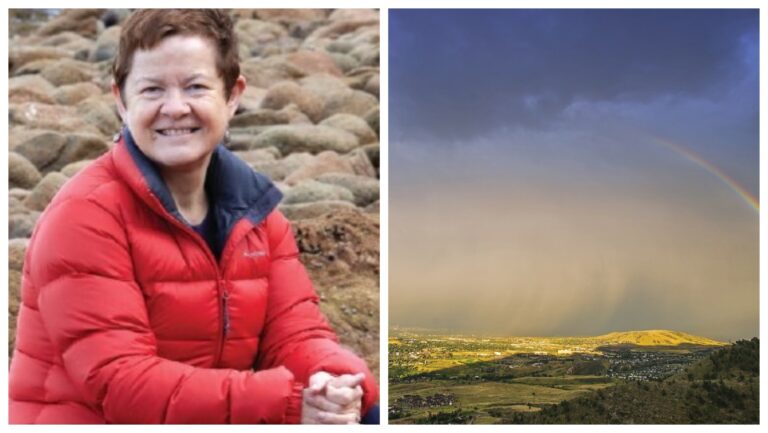
In 2022 Dr Sue Barrell was named Laureate of the International Meteorological Organization (IMO) Prize for her leadership in the international weather, water and climate community and for a career of commitment to the WMO. The prize (named after the WMO’s predecessor, the IMO) came four years after she officially retired from her role as chief scientist at the Bureau of Meteorology (BoM) in Australia – an organization she was part of for 38 years.

Starting as a graduate meteorologist at BoM, Dr Barrell had a distinguished career spanning operational forecasting, research, science, climate, infrastructure and data policy, retiring from her final role as BoM chief scientist, with responsibility for research, international and national science relationships, innovation, STEM, diversity and inclusion, in 2018.

“I also represented Australia and led high-level activities at the WMO, the UN Framework Convention on Climate Change [UNFCCC] and the intergovernmental Group on Earth Observations [GEO],” she says.

It was her involvement with the WMO that led to one of her proudest career achievements. “My engagement with the WMO started as I was initiating the redesign of BoM’s observing system strategy, and I became actively engaged in the development of the WMO Integrated Global Observing System [WIGOS] concept, going on to lead that process, through to its adoption and implementation, as the vice president of the Commission for Basic Systems,” she explains.

“As we started to better understand the implications of integrated Earth system data across surface and space-based systems and all domains, as well as the growing requirements and opportunities of NWP, data policy became a more visible issue. I led initiatives first at the Bureau and then at the WMO to better articulate the need for national and international data coordination and exchange. Ultimately this culminated in the 2021 congress approval of the WMO Unified Data Policy, which was a significant achievement that I share with many others,” Dr Barrell adds.

Following her retirement in 2018, Dr Barrell continued to work with the WMO on various projects, which focused on data policy and polar and high mountains, but over the past year she has relinquished responsibility. “My focus has now moved more to roles in Australia, with a special focus on research infrastructure and data. They span some exciting and diverse science challenges including deep oceans, the impact of climate change on coral reefs, and the search for dark matter – from 1km underground in a gold mine!”

Looking at what she believes the future holds for the met sector in general, Dr Barrell says, “Technological developments will never stop, from miniaturized sensors to AI, adding value to the information and services delivered. The pace of these changes brings risks as well, and it is critical for industry bodies, the WMO and national agencies to monitor and assess the risk, impact, benefit, cost, equity, ethics, etc of changes in the context of the need being met, the standards being applied and the genuine value being delivered.”

Dr Barrell notes that throughout her whole career in the meteorological sector she has always “been treated with respect” despite sometimes being the only female in the room. “The gender equality challenges lie not just within the industry, but also in having the right policies and practices in place to source, employ and retain qualified women, and in the feeder pool itself, getting greater diversity into STEM education streams. The latter needs to start in school; university is too late,” she explains.

This article originally appeared in the January 2024 issue of Meteorological Technology International. To view the magazine in full, click here. 
 

Previous ArticleEUMETSAT and Royal Netherlands Meteorological Institute study demonstrates shipping pollution’s effect on clouds
Next Article National Oceanography Centre joins £16m mathematical climate doctoral training center

Read Similar Stories

Features

FEATURE: How the Arctic oscillation fueled widespread winter storms

April 9, 20265 Mins Read
Features

EXCLUSIVE INTERVIEW: Chris Hyde, energy lead at Meteomatics

March 19, 20264 Mins Read
Features

EXCLUSIVE INTERVIEW: Mausumi Dikpati, NSF NCAR senior scientist

March 5, 20265 Mins Read
Latest News

Northumbria University secures £4m to study Earth’s radiation belts

April 16, 2026

AI model improves real-time prediction of wildfire spread

April 16, 2026

Study identifies atmospheric trigger behind flash droughts in Puerto Rico

April 15, 2026

Receive breaking stories and features in your inbox each week, for free


Enter your email address:


Supplier Spotlights
  • Geolux d.o.o.
Getting in Touch
  • Contact Us / Advertise
  • Meet the Editors
  • Media Pack
  • Free Weekly E-Newsletter
Our Social Channels
  • Facebook
  • LinkedIn
© 2026 UKi Media & Events a division of UKIP Media & Events Ltd
  • Cookie Policy
  • Privacy Policy
  • Terms and Conditions
  • Notice and Takedown Policy

Type above and press Enter to search. Press Esc to cancel.