


Close Menu
Meteorological Technology International
  • News
    • A-E
      • Agriculture
      • Automated Weather Stations
      • Aviation
      • Climate Measurement
      • Data
      • Developing Countries
      • Digital Applications
      • Early Warning Systems
      • Extreme Weather
    • G-P
      • Hydrology
      • Lidar
      • Lightning Detection
      • New Appointments
      • Nowcasting
      • Numerical Weather Prediction
      • Polar Weather
    • R-S
      • Radar
      • Rainfall
      • Remote Sensing
      • Renewable Energy
      • Satellites
      • Solar
      • Space Weather
      • Supercomputers
    • T-Z
      • Training
      • Transport
      • Weather Instruments
      • Wind
      • World Meteorological Organization
      • Meteorological Technology World Expo
  • Features
  • Online Magazines
    • January 2026
    • April 2025
    • January 2025
    • September 2024
    • April 2024
    • Archive Issues
    • Subscribe Free!
  • Opinion
  • Videos
  • Supplier Spotlight
  • Expo
LinkedIn X (Twitter) Facebook
  • Sign-up for Free Weekly E-Newsletter
  • Meet the Editors
  • Contact Us
  • Media Pack
LinkedIn Facebook
Subscribe
Meteorological Technology International
  • News
      • Agriculture
      • Automated Weather Stations
      • Aviation
      • Climate Measurement
      • Data
      • Developing Countries
      • Digital Applications
      • Early Warning Systems
      • Extreme Weather
      • Hydrology
      • Lidar
      • Lightning Detection
      • New Appointments
      • Nowcasting
      • Numerical Weather Prediction
      • Polar Weather
      • Radar
      • Rainfall
      • Remote Sensing
      • Renewable Energy
      • Satellites
      • Solar
      • Space Weather
      • Supercomputers
      • Training
      • Transport
      • Weather Instruments
      • Wind
      • World Meteorological Organization
      • Meteorological Technology World Expo
  • Features
  • Online Magazines
    1. January 2026
    2. September 2025
    3. April 2025
    4. January 2025
    5. September 2024
    6. April 2024
    7. January 2024
    8. September 2023
    9. April 2023
    10. Archive Issues
    11. Subscribe Free!
    Featured
    November 27, 2025

    In this Issue – January 2026

    By Hazel KingNovember 27, 2025
    Recent

    In this Issue – January 2026

    November 27, 2025

    In this Issue – September 2025

    August 11, 2025

    In this Issue – April 2025

    April 15, 2025
  • Opinion
  • Videos
  • Supplier Spotlight
  • Expo
Facebook LinkedIn
Subscribe
Meteorological Technology International
Space Weather

University of Colorado Boulder develops machine learning forecast approach for space weather-induced disruptions to the power grid

Elizabeth BakerBy Elizabeth BakerJanuary 11, 20243 Mins Read
Share LinkedIn Facebook Twitter Email
Share
LinkedIn Facebook Twitter Email

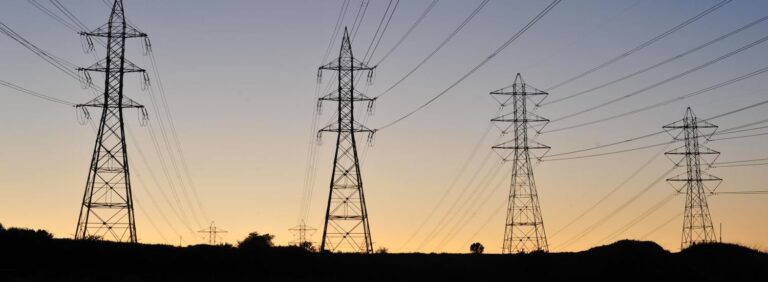
The University of Colorado Boulder has developed a machine learning forecast approach that gives power transmission operators the ability to predict space weather-induced disruptions caused by geomagnetically-induced currents to the power grid an hour in advance.

This is a significant improvement in space weather forecasting capabilities that will enable power companies to better protect the grid and help them avoid power failures in the event of a geomagnetic storm.

“It’s like an early-warning system for the power system,” said Andong Hu, a space weather researcher who presented the work at the American Geophysical Union’s 2023 Fall Meeting in San Francisco. “This means we might be able to better prepare for the impact of space weather on our critical infrastructure during storm events.”

Geomagnetically-induced currents are electric currents at the Earth’s surface that are triggered by changes to the Earth’s magnetic field due to space weather events like coronal mass ejections. These currents can affect electric power grids, oil and gas pipelines, and other human-made structures. In 1989, geomagnetically induced currents triggered a massive power outage in Quebec, Canada. As a result, an estimated six million people lost power for nine hours. Since then, power companies in North America and elsewhere have invested in mitigation strategies for geomagnetically induced currents, and space weather forecasters have looked for ways to provide power companies with more advanced warnings.

Traditionally, space weather forecasters have tried to estimate the magnitude of geomagnetically-induced currents by predicting changes to Earth’s magnetic field (which then induce electric currents). While this method is effective, it enables forecasters only to predict what will happen about 10 minutes in advance.

What Hu and his colleagues have done is developed a method for predicting geomagnetically induced currents that don’t rely on predicting changes to Earth’s magnetic field first. Their new method involves combining solar wind data, the electrical conductivity of Earth’s surface and Earth’s magnetic fields. They developed a machine learning approach that combines this data and enables them to predict geomagnetically induced currents up to an hour in advance.

The researchers tested their method using the 50 largest geomagnetically-induced currents to hit the US power grid since 2000. Their new method outperformed the traditional physical method. According to the researchers, the new method shows promise in strengthening the resilience of critical infrastructure in the face of space weather events. More lead time allows operators to reduce the power load or shut down certain power lines to protect them from damage during a geomagnetic storm. “Having a one-hour lead time can have a huge difference, especially in helping us to protect the power system and its infrastructure,” Hu concluded.

Read more of the latest space weather updates from the meteorological technology industry, here.

Previous ArticleFEATURE: How are drones, satellites and AI models working together to predict fires and save lives?
Next Article Biden-Harris Administration invests US$34m for NOAA fire weather research

Read Similar Stories

Space Weather

Northumbria University secures £4m to study Earth’s radiation belts

April 16, 20262 Mins Read
Solar

Mauna Loa Solar Observatory reopens to support Artemis II mission

April 8, 20262 Mins Read
Satellites

NCAR researchers create breakthrough tool to enhance space weather prediction

February 24, 20262 Mins Read
Latest News

Northumbria University secures £4m to study Earth’s radiation belts

April 16, 2026

AI model improves real-time prediction of wildfire spread

April 16, 2026

Study identifies atmospheric trigger behind flash droughts in Puerto Rico

April 15, 2026

Receive breaking stories and features in your inbox each week, for free


Enter your email address:


Supplier Spotlights
  • AIRMAR Technology Corporation
Getting in Touch
  • Contact Us / Advertise
  • Meet the Editors
  • Media Pack
  • Free Weekly E-Newsletter
Our Social Channels
  • Facebook
  • LinkedIn
© 2026 UKi Media & Events a division of UKIP Media & Events Ltd
  • Cookie Policy
  • Privacy Policy
  • Terms and Conditions
  • Notice and Takedown Policy

Type above and press Enter to search. Press Esc to cancel.