


Close Menu
Meteorological Technology International
  • News
    • A-E
      • Agriculture
      • Automated Weather Stations
      • Aviation
      • Climate Measurement
      • Data
      • Developing Countries
      • Digital Applications
      • Early Warning Systems
      • Extreme Weather
    • G-P
      • Hydrology
      • Lidar
      • Lightning Detection
      • New Appointments
      • Nowcasting
      • Numerical Weather Prediction
      • Polar Weather
    • R-S
      • Radar
      • Rainfall
      • Remote Sensing
      • Renewable Energy
      • Satellites
      • Solar
      • Space Weather
      • Supercomputers
    • T-Z
      • Training
      • Transport
      • Weather Instruments
      • Wind
      • World Meteorological Organization
      • Meteorological Technology World Expo
  • Features
  • Online Magazines
    • January 2026
    • April 2025
    • January 2025
    • September 2024
    • April 2024
    • Archive Issues
    • Subscribe Free!
  • Opinion
  • Videos
  • Supplier Spotlight
  • Expo
LinkedIn X (Twitter) Facebook
  • Sign-up for Free Weekly E-Newsletter
  • Meet the Editors
  • Contact Us
  • Media Pack
LinkedIn Facebook
Subscribe
Meteorological Technology International
  • News
      • Agriculture
      • Automated Weather Stations
      • Aviation
      • Climate Measurement
      • Data
      • Developing Countries
      • Digital Applications
      • Early Warning Systems
      • Extreme Weather
      • Hydrology
      • Lidar
      • Lightning Detection
      • New Appointments
      • Nowcasting
      • Numerical Weather Prediction
      • Polar Weather
      • Radar
      • Rainfall
      • Remote Sensing
      • Renewable Energy
      • Satellites
      • Solar
      • Space Weather
      • Supercomputers
      • Training
      • Transport
      • Weather Instruments
      • Wind
      • World Meteorological Organization
      • Meteorological Technology World Expo
  • Features
  • Online Magazines
    1. January 2026
    2. September 2025
    3. April 2025
    4. January 2025
    5. September 2024
    6. April 2024
    7. January 2024
    8. September 2023
    9. April 2023
    10. Archive Issues
    11. Subscribe Free!
    Featured
    November 27, 2025

    In this Issue – January 2026

    By Hazel KingNovember 27, 2025
    Recent

    In this Issue – January 2026

    November 27, 2025

    In this Issue – September 2025

    August 11, 2025

    In this Issue – April 2025

    April 15, 2025
  • Opinion
  • Videos
  • Supplier Spotlight
  • Expo
Facebook LinkedIn
Subscribe
Meteorological Technology International
Extreme Weather

AI from Institute of Oceanology of the Chinese Academy of Sciences to improve cyclone rapid intensification forecasting

Elizabeth BakerBy Elizabeth BakerFebruary 6, 20253 Mins Read
Share LinkedIn Facebook Twitter Email
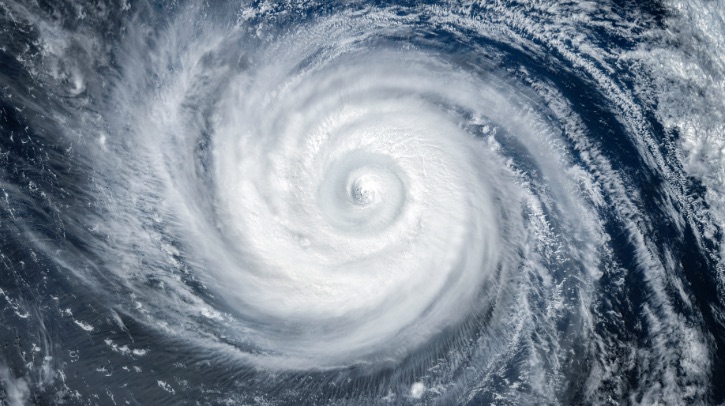
Researchers from the Institute of Oceanology of the Chinese Academy of Sciences (IOCAS) have developed a new model for forecasting rapid Intensification (RI) of a tropical cyclone (TC), based on "contrastive learning."
Share
LinkedIn Facebook Twitter Email

Researchers from the Institute of Oceanology of the Chinese Academy of Sciences (IOCAS) have developed a new model for forecasting rapid intensification (RI) of a tropical cyclone (TC), based on ‘contrastive learning’. This study was published in the Proceedings of the National Academy of Sciences (PNAS).

AI-powered forecasting

The new model has two inputs: Input A, a known RI TC sample, and Input B, an unknown sample to be forecasted. It extracts features from both inputs and calculates their distance in a high-dimensional space. If the distance is small, Input B is forecasted as an RI TC; if large, it is classified as a non-RI TC. Each unknown sample is compared with 10 known RI TC samples; if more than five of the comparisons classify it as an RI TC, it is then classified as such.

This study uses satellite imagery alongside atmospheric and oceanic data to balance RI and non-RI TC data. The model learns to differentiate between RI and non-RI TCs by comparing the two inputs during training.

When tested on data from the Northwest Pacific between 2020 and 2021, the method achieved an impressive accuracy of 92.3% and reduced false alarms to 8.9%. Compared with existing techniques, it improved accuracy by 12% and reduced false alarms by a factor of three, representing a major advance in forecasting.

Traditional tropical cyclone prediction methods

According to the team, RI of a TC, defined as a maximum sustained wind increase of at least 13m/s within 24 hours, remains one of the most challenging weather phenomena to forecast because of its unpredictable and destructive nature. The researchers highlighted that although only 5% of TCs experience RI, its sudden and severe development poses significant risks to affected regions.

They also pointed out that traditional forecasting methods, such as numerical weather prediction and statistical approaches, often fail to consider the complex environmental and structural factors driving RI. However, they acknowledged that while artificial intelligence (AI) has been explored as a means to improve RI prediction, most AI techniques have struggled with high false alarm rates and limited reliability.

“This study addresses the challenges of low accuracy and high false alarm rates in RI TC forecasting,” said Prof. Li Xiaofeng, one of the authors of the report. “Our method enhances understanding of these extreme events and supports better defenses against their devastating impacts.”

Although the IOCAS’s new model was initially trained on reanalysis data, the researchers created an operational forecasting scenario by replacing the reanalysis data with ECMWF-IFS numerical model forecast data from 2020 to 2021 as input. The results demonstrated comparable forecasting accuracy, validating the reliability of this approach and confirming its suitability for real-time forecasting scenarios. This capability is expected to enhance early warning systems, thus improving global disaster preparedness.

For more of the top insights into the future of tropical cyclone technology, read Meteorological Technology International’s exclusive feature, How are the latest early warning technologies protecting against devastating hurricanes?, here.

Previous ArticleUCL, NOC and ENS to deploy machine learning and lidar to study breaking waves
Next Article EXCLUSIVE FEATURE: How are the latest air pollution models closing coverage gaps to save lives?

Read Similar Stories

Extreme Weather

AI model improves real-time prediction of wildfire spread

April 16, 20263 Mins Read
Climate Measurement

Study identifies atmospheric trigger behind flash droughts in Puerto Rico

April 15, 20263 Mins Read
Climate Measurement

Regional training aims to improve flood forecasting in Central Africa

April 1, 20263 Mins Read
Latest News

Northumbria University secures £4m to study Earth’s radiation belts

April 16, 2026

AI model improves real-time prediction of wildfire spread

April 16, 2026

Study identifies atmospheric trigger behind flash droughts in Puerto Rico

April 15, 2026

Receive breaking stories and features in your inbox each week, for free


Enter your email address:


Supplier Spotlights
  • Senseca
Getting in Touch
  • Contact Us / Advertise
  • Meet the Editors
  • Media Pack
  • Free Weekly E-Newsletter
Our Social Channels
  • Facebook
  • LinkedIn
© 2026 UKi Media & Events a division of UKIP Media & Events Ltd
  • Cookie Policy
  • Privacy Policy
  • Terms and Conditions
  • Notice and Takedown Policy

Type above and press Enter to search. Press Esc to cancel.