


Close Menu
Meteorological Technology International
  • News
    • A-E
      • Agriculture
      • Automated Weather Stations
      • Aviation
      • Climate Measurement
      • Data
      • Developing Countries
      • Digital Applications
      • Early Warning Systems
      • Extreme Weather
    • G-P
      • Hydrology
      • Lidar
      • Lightning Detection
      • New Appointments
      • Nowcasting
      • Numerical Weather Prediction
      • Polar Weather
    • R-S
      • Radar
      • Rainfall
      • Remote Sensing
      • Renewable Energy
      • Satellites
      • Solar
      • Space Weather
      • Supercomputers
    • T-Z
      • Training
      • Transport
      • Weather Instruments
      • Wind
      • World Meteorological Organization
      • Meteorological Technology World Expo
  • Features
  • Online Magazines
    • January 2026
    • April 2025
    • January 2025
    • September 2024
    • April 2024
    • Archive Issues
    • Subscribe Free!
  • Opinion
  • Videos
  • Supplier Spotlight
  • Expo
LinkedIn X (Twitter) Facebook
  • Sign-up for Free Weekly E-Newsletter
  • Meet the Editors
  • Contact Us
  • Media Pack
LinkedIn Facebook
Subscribe
Meteorological Technology International
  • News
      • Agriculture
      • Automated Weather Stations
      • Aviation
      • Climate Measurement
      • Data
      • Developing Countries
      • Digital Applications
      • Early Warning Systems
      • Extreme Weather
      • Hydrology
      • Lidar
      • Lightning Detection
      • New Appointments
      • Nowcasting
      • Numerical Weather Prediction
      • Polar Weather
      • Radar
      • Rainfall
      • Remote Sensing
      • Renewable Energy
      • Satellites
      • Solar
      • Space Weather
      • Supercomputers
      • Training
      • Transport
      • Weather Instruments
      • Wind
      • World Meteorological Organization
      • Meteorological Technology World Expo
  • Features
  • Online Magazines
    1. January 2026
    2. September 2025
    3. April 2025
    4. January 2025
    5. September 2024
    6. April 2024
    7. January 2024
    8. September 2023
    9. April 2023
    10. Archive Issues
    11. Subscribe Free!
    Featured
    November 27, 2025

    In this Issue – January 2026

    By Hazel KingNovember 27, 2025
    Recent

    In this Issue – January 2026

    November 27, 2025

    In this Issue – September 2025

    August 11, 2025

    In this Issue – April 2025

    April 15, 2025
  • Opinion
  • Videos
  • Supplier Spotlight
  • Expo
Facebook LinkedIn
Subscribe
Meteorological Technology International
Automated Weather Stations

New York State Mesonet partners with NOAA to enhance winter storm observations

Dan SymondsBy Dan SymondsNovember 8, 20213 Mins Read
Share LinkedIn Facebook Twitter Email
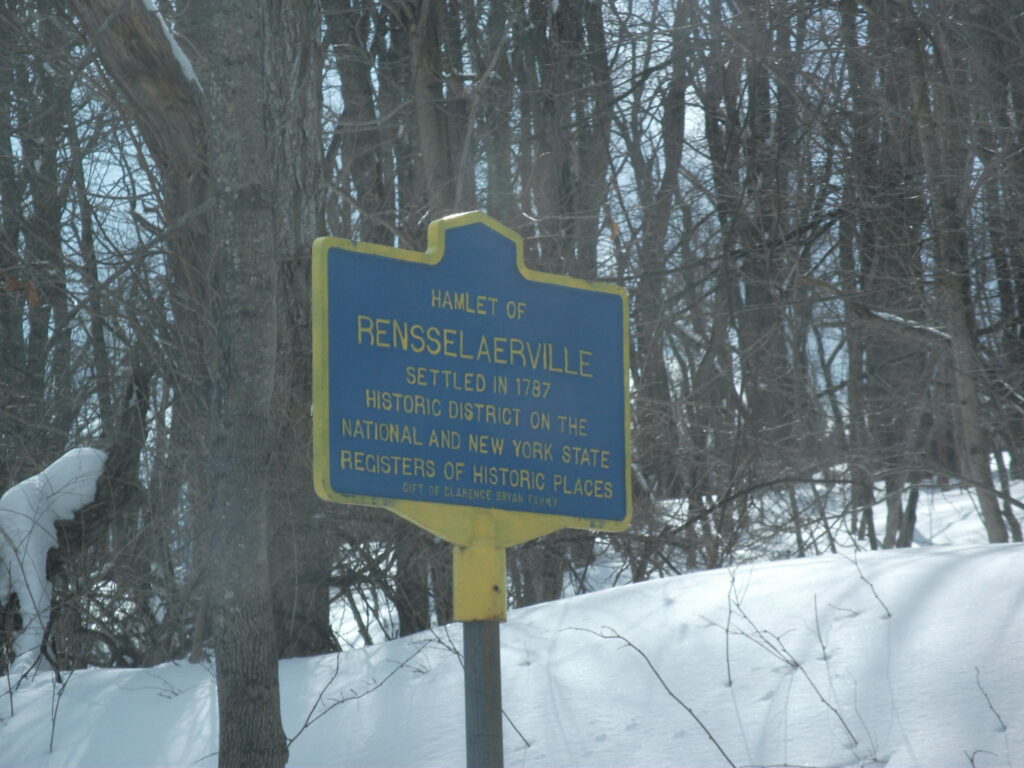
Rensselaerville, New York - credit: Doug Kerr/flickr (CC BY-SA 2.0)
Share
LinkedIn Facebook Twitter Email

Researchers at the University at Albany’s New York State Mesonet are partnering with NOAA on a new project that aims to enhance winter storm observations using the network’s real-time data.

Headquartered at the university, the NYS Mesonet is an advanced weather network that features 126 standard observation stations located throughout the state. The stations are spaced within 20 miles of each other, including at least one in every county and borough. Each offers continuous updates of various localized weather variables with updates every five minutes and real-time camera images.

This new project will demonstrate quantitatively, at a statewide level, how local winter weather operations can be improved using NYS Mesonet measurements, including snow depth, snowfall rates and accumulation, snow water equivalent, freezing rain and precipitation type.

It will also produce a new suite of customizable weather products that can improve situational awareness and prediction lead times around winter storms. NOAA is providing US$600,000 in support over the next two years.

Jerry Brotzge, NYS Mesonet project manager and the project’s principal investigator, said, “Winter storms are among the most impactful weather events, but remain difficult to monitor and predict. This project builds on our prior work to transform largely experimental data and associated variables into trustworthy, reliable products for use in NOAA’s winter weather operations and by other industry partners.”

June Wang, a research associate professor in UAlbany’s Department of Atmospheric and Environmental Sciences and the NYS Mesonet quality assurance manager, added, “Winter weather observational products, which are critical for situational awareness and public warning, are still largely experimental and not readily available. We are excited to work with NOAA to formally evaluate and refine the use of our measurements for this application.”

Using NYS Mesonet data, project researchers will collaborate with NOAA, along with other industry partners, to build and refine the winter weather products. For example, the transportation industry can use the products to assist in more timely snow removal, salt deployment and road closures. Utilities can improve monitoring of ice conditions, enabling a faster response for power restoration. Other beneficiaries include the agricultural, tourism and public health sectors.

Data from the NYS Mesonet is already used regularly by the National Weather Service (NWS) and statewide emergency managers. Over the past 12 months, it was referenced in more than 320 NWS forecast discussions, advisories and warnings, most often during winter weather situations.

Live data updates are streamed to the New York State Division of Homeland Security and Emergency Services, which manages state and local resources during high-impact weather. County-level managers also regularly access NYS Mesonet data for resource deployment and post-event recovery efforts. The NYS Department of Transportation and NYS Thruway work closely with the network as well.

Brotzge expects similar engagement and use of the winter weather products once created. “The impacts of these new NYS Mesonet products will be far-reaching and multi-faceted,” he said. “Improved accuracy and precision in monitoring will lead to improved safety, efficiency and cost savings, in turn, making New Yorkers more resilient to increasingly extreme winter weather events.”

Research results will be presented at regional and national conferences, such as the Northeast Regional Operational Workshop, National Weather Association and American Meteorological Society annual conferences and published in peer-reviewed journals. Workshops are also planned to engage NYS Mesonet users with the new winter-focused products.

Project funding will support training for a post-doctoral scientist and two or more undergraduate students.

Previous ArticleMet Office launches interactive dashboard depicting key climate change indicators globally
Next Article Vaisala partners with Unikie to improve hyperlocal weather reports for ports

Read Similar Stories

Climate Measurement

Study identifies atmospheric trigger behind flash droughts in Puerto Rico

April 15, 20263 Mins Read
Satellites

AI tool uses weather satellite data to map ocean currents in near real time

April 14, 20263 Mins Read
Climate Measurement

New tool speeds up climate model evaluation

April 13, 20262 Mins Read
Latest News

Northumbria University secures £4m to study Earth’s radiation belts

April 16, 2026

AI model improves real-time prediction of wildfire spread

April 16, 2026

Study identifies atmospheric trigger behind flash droughts in Puerto Rico

April 15, 2026

Receive breaking stories and features in your inbox each week, for free


Enter your email address:


Supplier Spotlights
  • ELDES S.r.l.
Getting in Touch
  • Contact Us / Advertise
  • Meet the Editors
  • Media Pack
  • Free Weekly E-Newsletter
Our Social Channels
  • Facebook
  • LinkedIn
© 2026 UKi Media & Events a division of UKIP Media & Events Ltd
  • Cookie Policy
  • Privacy Policy
  • Terms and Conditions
  • Notice and Takedown Policy

Type above and press Enter to search. Press Esc to cancel.