


Close Menu
Meteorological Technology International
  • News
    • A-E
      • Agriculture
      • Automated Weather Stations
      • Aviation
      • Climate Measurement
      • Data
      • Developing Countries
      • Digital Applications
      • Early Warning Systems
      • Extreme Weather
    • G-P
      • Hydrology
      • Lidar
      • Lightning Detection
      • New Appointments
      • Nowcasting
      • Numerical Weather Prediction
      • Polar Weather
    • R-S
      • Radar
      • Rainfall
      • Remote Sensing
      • Renewable Energy
      • Satellites
      • Solar
      • Space Weather
      • Supercomputers
    • T-Z
      • Training
      • Transport
      • Weather Instruments
      • Wind
      • World Meteorological Organization
      • Meteorological Technology World Expo
  • Features
  • Online Magazines
    • January 2026
    • April 2025
    • January 2025
    • September 2024
    • April 2024
    • Archive Issues
    • Subscribe Free!
  • Opinion
  • Videos
  • Supplier Spotlight
  • Expo
LinkedIn X (Twitter) Facebook
  • Sign-up for Free Weekly E-Newsletter
  • Meet the Editors
  • Contact Us
  • Media Pack
LinkedIn Facebook
Subscribe
Meteorological Technology International
  • News
      • Agriculture
      • Automated Weather Stations
      • Aviation
      • Climate Measurement
      • Data
      • Developing Countries
      • Digital Applications
      • Early Warning Systems
      • Extreme Weather
      • Hydrology
      • Lidar
      • Lightning Detection
      • New Appointments
      • Nowcasting
      • Numerical Weather Prediction
      • Polar Weather
      • Radar
      • Rainfall
      • Remote Sensing
      • Renewable Energy
      • Satellites
      • Solar
      • Space Weather
      • Supercomputers
      • Training
      • Transport
      • Weather Instruments
      • Wind
      • World Meteorological Organization
      • Meteorological Technology World Expo
  • Features
  • Online Magazines
    1. January 2026
    2. September 2025
    3. April 2025
    4. January 2025
    5. September 2024
    6. April 2024
    7. January 2024
    8. September 2023
    9. April 2023
    10. Archive Issues
    11. Subscribe Free!
    Featured
    November 27, 2025

    In this Issue – January 2026

    By Hazel KingNovember 27, 2025
    Recent

    In this Issue – January 2026

    November 27, 2025

    In this Issue – September 2025

    August 11, 2025

    In this Issue – April 2025

    April 15, 2025
  • Opinion
  • Videos
  • Supplier Spotlight
  • Expo
Facebook LinkedIn
Subscribe
Meteorological Technology International
Climate Measurement

Researchers combine methodologies to better predict unprecedented weather

Elizabeth BakerBy Elizabeth BakerMarch 19, 20252 Mins Read
Share LinkedIn Facebook Twitter Email
A team from the Climate Adaptation Services Foundation, the University of Reading and other international institutions has published a study in Nature Communications, which set out to bring together methods to see beyond the limitations of conventional weather records, which typically only cover the past century.
Share
LinkedIn Facebook Twitter Email

A team from the Climate Adaptation Services Foundation, the University of Reading and other international institutions has published a study in Nature Communications which brings together methods to see beyond the limitations of conventional weather records, which typically only cover the past century.

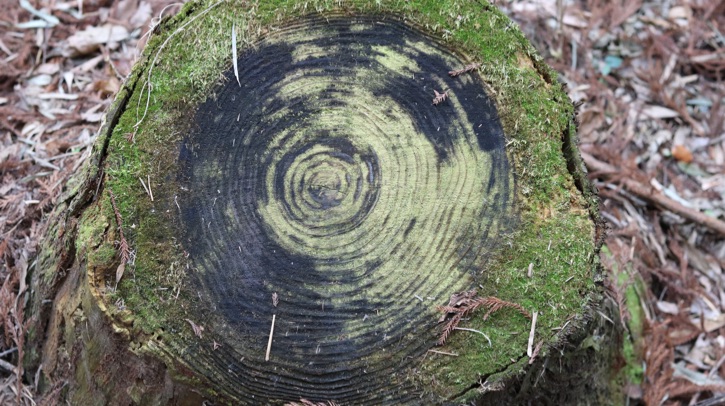
The researchers identified four approaches that together create a more complete picture of possible extreme weather: analyzing conventional records; studying historical and natural archives like tree rings; creating “what-if” scenarios based on past events and historical documents; and using climate models to simulate physically possible extremes.

Timo Kelder, lead author, said, “We’ve been limited by thinking extreme weather is only as bad as what we’ve measured since weather stations were invented. But our research shows we can use weather models to look back hundreds or even thousands of years to discover what’s truly possible in our climate system.”

A toolkit for scientists and practitioners

According to the researchers, tree rings have proved especially valuable. With each ring preserving a year’s worth of climate history, the team used these natural time capsules to reconstruct 850 years of drought patterns in northwestern China, revealing extreme events that would have been invisible in modern records.

The team also highlighted forgotten weather extremes by digging through historical archives. They found that June 1846 in Durham, UK, was significantly hotter than any modern June temperature. Similarly, September 1774 in Oxford was wetter than any month recorded in the 250 years since.

Adapt, adapt, adapt

The study emphasizes that with these methods to anticipate the unseen, communities can better prepare for unprecedented weather. The methods can support three layers of preparation: improved early warning systems; upgraded infrastructure; and transformative social changes to reduce vulnerability.

The researchers conclude that by breaking free from the constraints of limited modern records, we can stop being surprised by “unprecedented” weather events.

Dorothy Heinrich, co-author at the University of Reading, said, “Unprecedented weather doesn’t just break records – it breaks communities, infrastructure and lives. When the unimaginable happens, being unprepared is a disaster waiting to unfold. But science can help us to imagine the unimaginable, to uncover these risks, and prepare. Our future depends on how quickly and thoroughly we adapt today.”

In related news, the University of Reading recently found that the key to more accurate rainfall predictions may lie in motion analysis of falling snowflakes. Click here to read the full story.

Previous ArticleFEATURE: How are NOAA’s latest buoys tackling ocean acidification?
Next Article WMO publishes State of the Global Climate report for 2024

Read Similar Stories

Extreme Weather

AI model improves real-time prediction of wildfire spread

April 16, 20263 Mins Read
Climate Measurement

Study identifies atmospheric trigger behind flash droughts in Puerto Rico

April 15, 20263 Mins Read
Satellites

AI tool uses weather satellite data to map ocean currents in near real time

April 14, 20263 Mins Read
Latest News

Northumbria University secures £4m to study Earth’s radiation belts

April 16, 2026

AI model improves real-time prediction of wildfire spread

April 16, 2026

Study identifies atmospheric trigger behind flash droughts in Puerto Rico

April 15, 2026

Receive breaking stories and features in your inbox each week, for free


Enter your email address:


Supplier Spotlights
  • ELDES S.r.l.
Getting in Touch
  • Contact Us / Advertise
  • Meet the Editors
  • Media Pack
  • Free Weekly E-Newsletter
Our Social Channels
  • Facebook
  • LinkedIn
© 2026 UKi Media & Events a division of UKIP Media & Events Ltd
  • Cookie Policy
  • Privacy Policy
  • Terms and Conditions
  • Notice and Takedown Policy

Type above and press Enter to search. Press Esc to cancel.