


Close Menu
Meteorological Technology International
  • News
    • A-E
      • Agriculture
      • Automated Weather Stations
      • Aviation
      • Climate Measurement
      • Data
      • Developing Countries
      • Digital Applications
      • Early Warning Systems
      • Extreme Weather
    • G-P
      • Hydrology
      • Lidar
      • Lightning Detection
      • New Appointments
      • Nowcasting
      • Numerical Weather Prediction
      • Polar Weather
    • R-S
      • Radar
      • Rainfall
      • Remote Sensing
      • Renewable Energy
      • Satellites
      • Solar
      • Space Weather
      • Supercomputers
    • T-Z
      • Training
      • Transport
      • Weather Instruments
      • Wind
      • World Meteorological Organization
      • Meteorological Technology World Expo
  • Features
  • Online Magazines
    • January 2026
    • April 2025
    • January 2025
    • September 2024
    • April 2024
    • Archive Issues
    • Subscribe Free!
  • Opinion
  • Videos
  • Supplier Spotlight
  • Expo
LinkedIn X (Twitter) Facebook
  • Sign-up for Free Weekly E-Newsletter
  • Meet the Editors
  • Contact Us
  • Media Pack
LinkedIn Facebook
Subscribe
Meteorological Technology International
  • News
      • Agriculture
      • Automated Weather Stations
      • Aviation
      • Climate Measurement
      • Data
      • Developing Countries
      • Digital Applications
      • Early Warning Systems
      • Extreme Weather
      • Hydrology
      • Lidar
      • Lightning Detection
      • New Appointments
      • Nowcasting
      • Numerical Weather Prediction
      • Polar Weather
      • Radar
      • Rainfall
      • Remote Sensing
      • Renewable Energy
      • Satellites
      • Solar
      • Space Weather
      • Supercomputers
      • Training
      • Transport
      • Weather Instruments
      • Wind
      • World Meteorological Organization
      • Meteorological Technology World Expo
  • Features
  • Online Magazines
    1. January 2026
    2. September 2025
    3. April 2025
    4. January 2025
    5. September 2024
    6. April 2024
    7. January 2024
    8. September 2023
    9. April 2023
    10. Archive Issues
    11. Subscribe Free!
    Featured
    November 27, 2025

    In this Issue – January 2026

    By Hazel KingNovember 27, 2025
    Recent

    In this Issue – January 2026

    November 27, 2025

    In this Issue – September 2025

    August 11, 2025

    In this Issue – April 2025

    April 15, 2025
  • Opinion
  • Videos
  • Supplier Spotlight
  • Expo
Facebook LinkedIn
Subscribe
Meteorological Technology International
Climate Measurement

COP28 highlights importance of mountains and the cryosphere

Elizabeth BakerBy Elizabeth BakerDecember 15, 20233 Mins Read
Share LinkedIn Facebook Twitter Email
Credit Niurma Sanchez
Share
LinkedIn Facebook Twitter Email

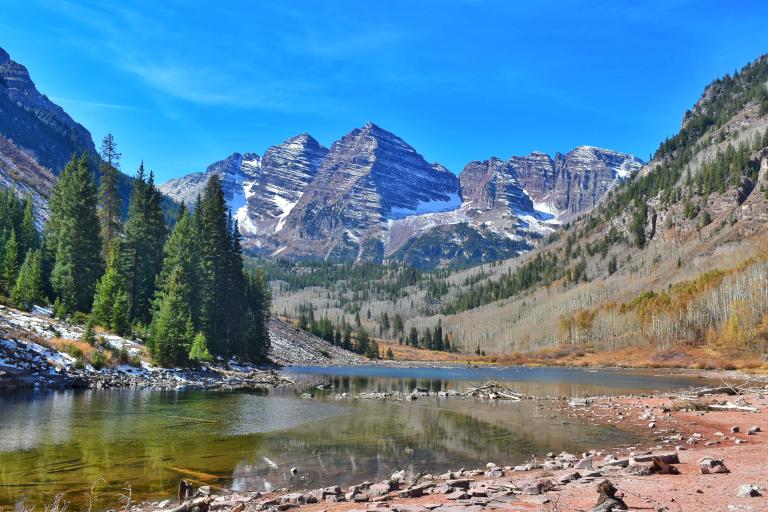
At the UN Climate Change conference COP28, the delegates have highlighted the importance of mountain ecosystems and the cryosphere on the planet’s weather.

“The cryosphere is one of the most important, but probably one of the least prioritized/monitored components of our hydrological cycle. Glaciers and high mountains – the water towers – are melting and melting fast,” said WMO Deputy Secretary-General Elena Manaenkova. The cryosphere is the term for frozen water and includes, among others, snow, (sea) ice, glaciers and permafrost.

Approximately 40 of the glaciers monitored by the World Glacier Monitoring Service are subject to long-term observations and these are used to estimate glacier mass balance. From 2011-2020, glacial loss was nearly double the previous decade. On average, measured glaciers thinned by approximately 1m per year, according to WMO’s State of the Climate 2011-2020 report.

Countries like Bhutan are carbon negative, meaning that it stores more carbon from the atmosphere (mainly stored in forest and wetlands) than it emits. However, it very much exposed to the impacts of climate change, diminishing cryosphere and related hazards such as floods and slides.

At the event, the WMO asserted that countries such as Tajikistan illustrate the challenges ahead. It is a mountainous country with vast water resources, especially glaciers. Over the past few decades, more than a thousand glaciers in Tajikistan have been destroyed, speakers told a side event at COP28. This has major implications for sustainable development in a nation in which about 80% of the agricultural production comes from irrigated land and more than 98% of electricity in the country is generated by hydropower plants. The impacts of hydrological changes from the retreat of glaciers and permafrost thaw are approaching the point of no-return. Tajikistan is thus one of the key sponsors of the International Year of Glacier Preservation 2025, which will also be coordinated by WMO and the UN Educational Scientific and Cultural Organization.

Dr Manaenkova added, “Significant gaps exist in understanding the distribution and characteristics of cryospheric variables, such as permafrost extent, glacier ice volumes, trends in sea, lake and river ice, and snow cover variation. Despite advances from Earth observation satellites, major challenges persist in dealing with cloud cover and rugged terrain and ground observations that are very costly.

“At the same time, there are projection uncertainties due to limitations in current models and the lack of local observations. We miss an integrated risk assessment regarding the effects of cryosphere change on natural hazards, infrastructure and ecosystem shifts. Adaptation measures for high mountains are challenging, with gaps in systematically evaluating their integrated cost-benefits and long-term effectiveness.

“All this needs transdisciplinary approaches. We need to: raise awareness, enhance scientific understanding, promote action, and strengthen policy frameworks. We need climate change adaptation and mitigation to strengthen resilience and, last but not least, significantly increased financial support.”

More research and tools are needed to help predict the effect of climate change on data-sparse mountain cryosphere regions globally, with experts predicting that rising temperatures and shifts in precipitation could have a severe impact on water availability.

For more on the research and tools needed to help predict the effect of climate change on data-sparse mountain cryosphere regions, read Meteorological Technology International’s exclusive feature in the January 2024 issue, here.

Previous ArticleOhio State University reviews 150 years of precipitation data to discover effect of mountains on El Niño
Next Article Australian Bureau of Meteorology’s upgraded Mackay radar goes live

Read Similar Stories

Climate Measurement

Study identifies atmospheric trigger behind flash droughts in Puerto Rico

April 15, 20263 Mins Read
Satellites

AI tool uses weather satellite data to map ocean currents in near real time

April 14, 20263 Mins Read
Climate Measurement

New tool speeds up climate model evaluation

April 13, 20262 Mins Read
Latest News

Northumbria University secures £4m to study Earth’s radiation belts

April 16, 2026

AI model improves real-time prediction of wildfire spread

April 16, 2026

Study identifies atmospheric trigger behind flash droughts in Puerto Rico

April 15, 2026

Receive breaking stories and features in your inbox each week, for free


Enter your email address:


Supplier Spotlights
  • Adolf Thies GmbH & Co. KG
Getting in Touch
  • Contact Us / Advertise
  • Meet the Editors
  • Media Pack
  • Free Weekly E-Newsletter
Our Social Channels
  • Facebook
  • LinkedIn
© 2026 UKi Media & Events a division of UKIP Media & Events Ltd
  • Cookie Policy
  • Privacy Policy
  • Terms and Conditions
  • Notice and Takedown Policy

Type above and press Enter to search. Press Esc to cancel.